
By BOB WASWANI
May 21, 2026| In a judgment with far-reaching implications for Kenya’s extractive industry, the Environment and Land Court has dismissed a petition by Turkana Indigenous People Action for Development (TIPD) seeking to compel Turkana County Government to surrender KSh 258 million received from Tullow Oil and hand over management of community lands hosting major oil fields.
Justice Christopher Nzili, delivering the ruling on May 15, 2026, at Kitale, found that the petitioner failed to prove violations of constitutional rights under Articles 40, 60, 63, and related provisions, declaring the claims unsustainable and based on a fundamental misconception of Kenya’s land and natural resources regime.
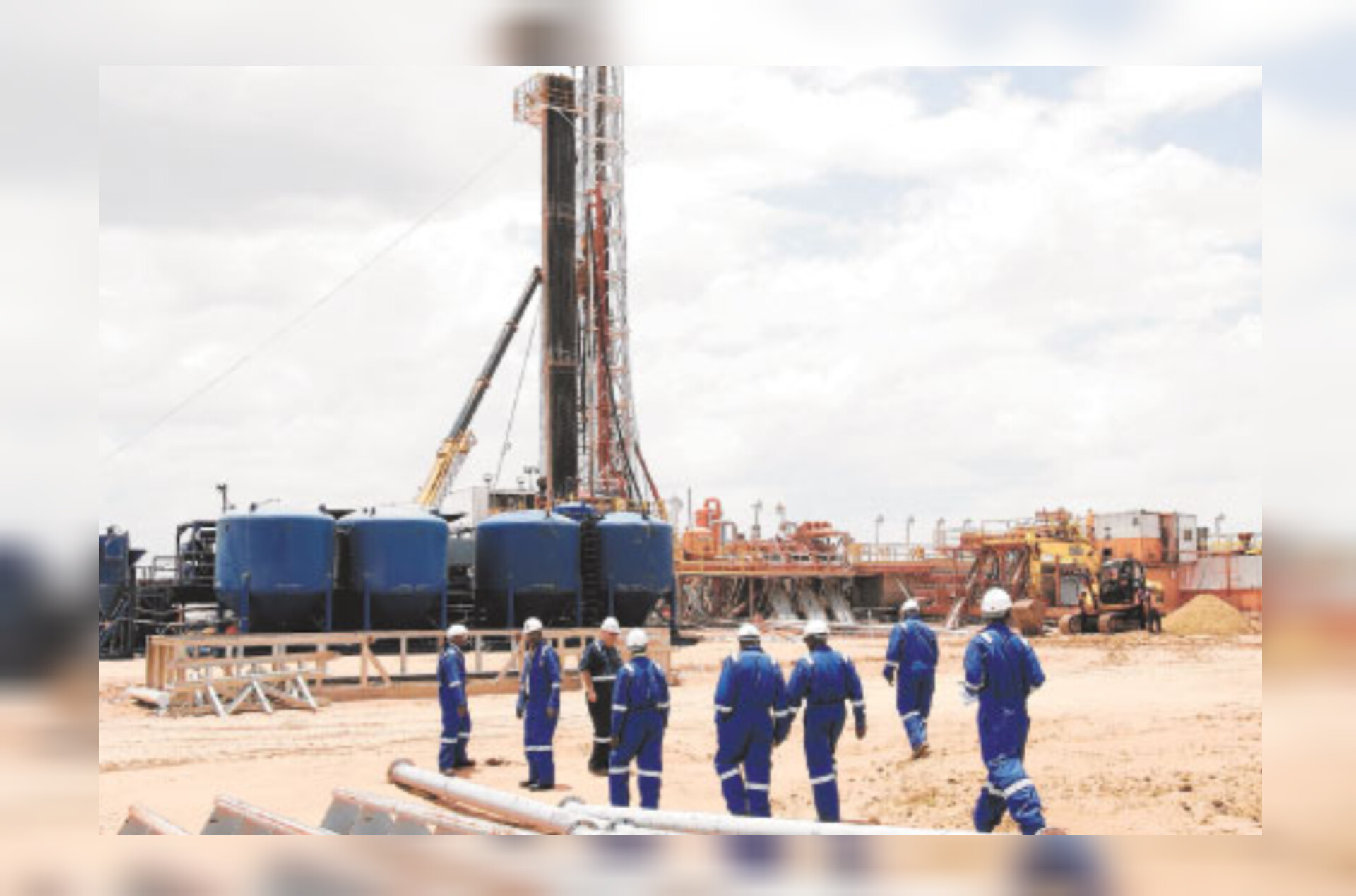
The petition, filed in 2025, centered on six oil fields in Turkana South and East operated by Tullow Oil since 2010. TIPD argued that the lands belonged to the Nakukulas, Kasuroi, Kapese, and Lomunyenkupurat communities as community land. They accused the county government of entering a secret lease agreement with Tullow without public participation, converting lease proceeds into county revenue instead of holding them in trust, and refusing to transfer management to registered Community Land Management Committees (CLMCs) after some communities obtained title deeds.
Petitioner’s counsel highlighted the county’s admission of receiving KSh 258 million (part of a reported KSh 280 million), which was budgeted as county revenue rather than community benefits. They demanded declarations of rights violations, transfer of funds to CLMCs, cessation of payments to the county, and accountability for alleged breach of trust under the Community Land Act.
In a robust defense, the Turkana County Government (1st to 4th respondents) argued the petition mixed contractual, administrative, and revenue issues unsuitable for constitutional proceedings. They maintained the funds were lawful county revenue under the Public Finance Management Act, properly appropriated, and subject to audit. Tullow Oil, in correspondence, clarified it operated under national government licenses, describing payments as taxes, levies, and rates rather than lease rentals. The National Land Commission (5th respondent) did not actively participate.
Justice Nzili systematically dismantled the petition’s core assumptions. He ruled that minerals and petroleum are public land under Article 62(1)(f) of the Constitution, vested in the national government in trust for all Kenyans and administered by the National Land Commission. Discovery of fossil fuels in the Lokichar Basin transformed the legal character of the affected areas, placing regulation, licensing, and benefit-sharing primarily under national jurisdiction via the Mining Act 2016 and Petroleum Act 2019.
“Once there was the discovery of fossil fuels… the land, on account of the discovery… becomes public land, and not community land held by the county government,” the judgment stated. The court emphasized transitional provisions in the Sixth Schedule preserving pre-2010 rights and obligations for the national government.
On the Community Land Act, the judge noted that while counties hold unregistered community land in trust under Section 6, this trusteeship does not extend to petroleum resources. Benefit-sharing mechanisms exist under the Petroleum Act (20% to counties, 5% to local communities via a trust fund), but these do not grant counties or communities direct leasing or management rights over oil operations.
The court further held that the petition failed the Anarita Karimi Njeru threshold for constitutional petitions by not precisely linking specific violations to respondents’ actions with sufficient evidence. Claims of lack of public participation and access to information, while important, could not override the constitutional architecture for natural resources. Alternative remedies under statutes like the Access to Information Act and PFMA were available but not fully exhausted.
“[The] facts relied upon, cited constitutional provisions, statutory law, and the evidence tendered [are] unsustainable, irrelevant, and incapable of proving any constitutional breach,” Justice Nzili concluded. The petition was dismissed with no order as to costs.
The ruling brought to the fore Kenya’s delicate balance between devolution, community rights, and national control over strategic resources. For Turkana — one of Kenya’s poorest counties despite hosting significant oil reserves — it affirms that while local communities deserve equitable benefit-sharing, direct control over upstream petroleum operations remains with the national government.
TIPD has not yet indicated whether it will appeal. The decision is likely to be closely watched by other resource-rich counties and extractive companies navigating community relations and revenue disputes. It reinforces that constitutional litigation cannot substitute for statutory processes in complex fiscal and contractual matters involving natural resources.