
By SHABAN MAKOKHA
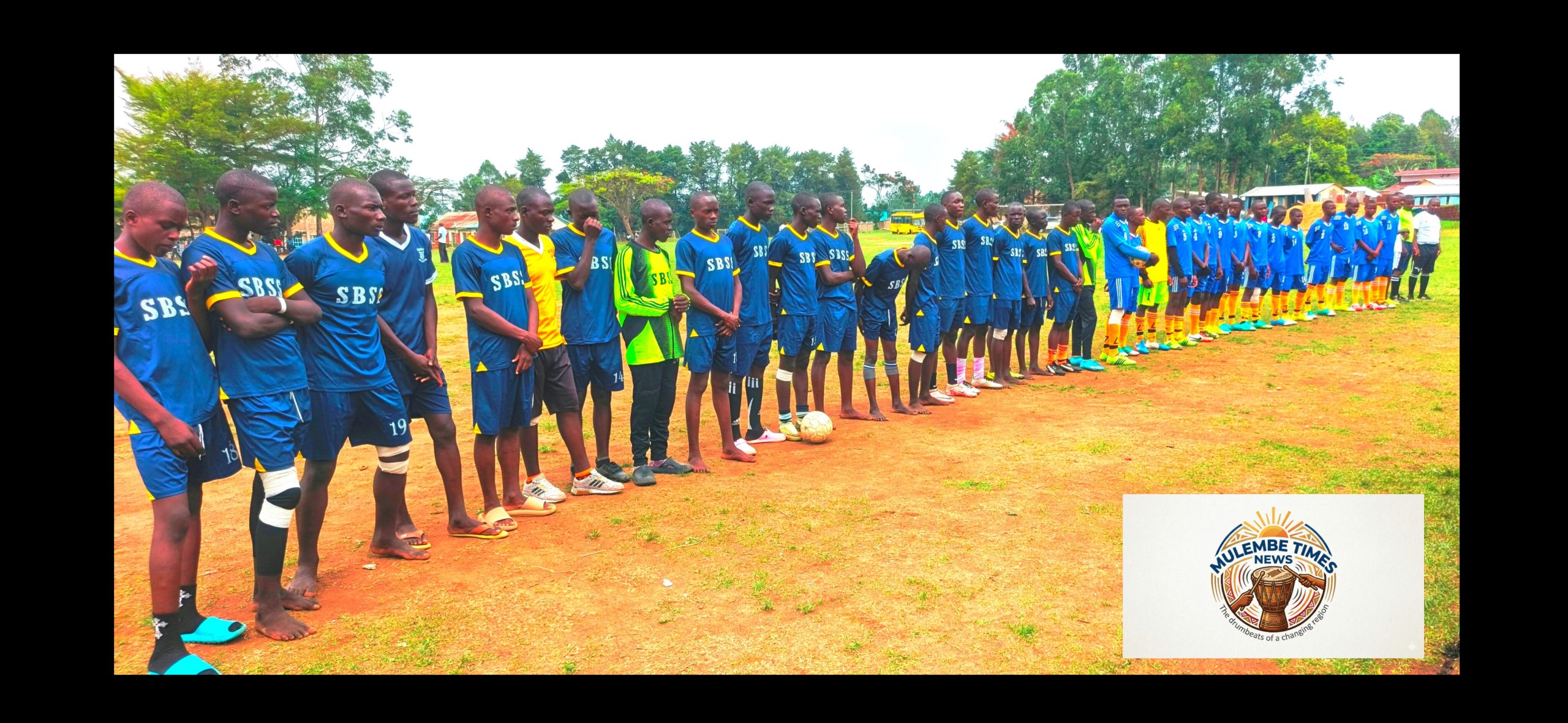
July 27, 2026| For three days, St. Peter’s Mumias Boys High School has transformed into more than just a sporting venue—it has become a theatre of courage, resilience and hope, where hundreds of learners with disabilities are proving that determination outweighs any physical limitation.
The 2026 Western Region Kenya Secondary Schools Sports Association (KSSSA) Special Needs Schools Championship officially kicked off on Monday, bringing together learners with physical, hearing and visual impairments from across the region to compete for coveted slots at the national championships in Thika, Kiambu County.
The championship features football, volleyball, netball, sitting volleyball, table tennis, badminton, chess, scrabble and other adapted sporting disciplines—each offering athletes a powerful platform to demonstrate that disability is not inability.
Yet beneath the cheers, colourful team parades and spirited competition lies a sobering reality: schools are struggling to keep the dream of inclusive sports alive amid a worsening funding crisis that has left principals, coaches and parents digging deep into already overstretched resources.
Western Region Special Needs Education Sports Chairperson Walter Kwanusu Wawire said the three-day championship will conclude on July 29, after which selected teams will proceed to a residential training camp ahead of the national championships.
“We shall conclude this championship on July 29. Selected teams will remain in camp before proceeding to the Central Region for the national championship in Thika, Kiambu County,” said Wawire.
He expressed confidence that Western Region will once again emerge as one of the country’s strongest contenders, following an impressive performance at last year’s national championships held in Kakamega County, where the region finished second overall with 91 points—narrowly behind Rift Valley.
This year, Western Region is expected to field 43 physically impaired athletes, 30 hearing-impaired athletes and 21 visually impaired athletes.
However, Wawire lamented that the limited number of participants allocated to each category forces many learners to compete in multiple disciplines, leaving them physically exhausted and reducing their medal prospects.
“This criterion makes the players tired because one athlete is forced to participate in several disciplines. They become fatigued and sometimes miss other events. The number of participants should be increased to allow these learners to fully enjoy the games and perform at their best,” he appealed.
The championship comes at a time when schools across Kenya continue to grapple with delayed and inadequate government capitation, forcing many institutions to stretch limited budgets to cover transport, accommodation, meals, uniforms and sporting equipment.
Despite the financial strain, schools turned up in large numbers, determined not to deny learners with disabilities the opportunity to compete, socialise and pursue their sporting dreams.
The opening ceremony was filled with emotion as teams marched proudly into the venue amid songs, cheers and cultural performances—reminding spectators that sport remains one of the most powerful tools for inclusion and empowerment.
“We gladly held a procession march from Mumias town through the streets before we arrived here for the official opening ceremony,” Wawire added.
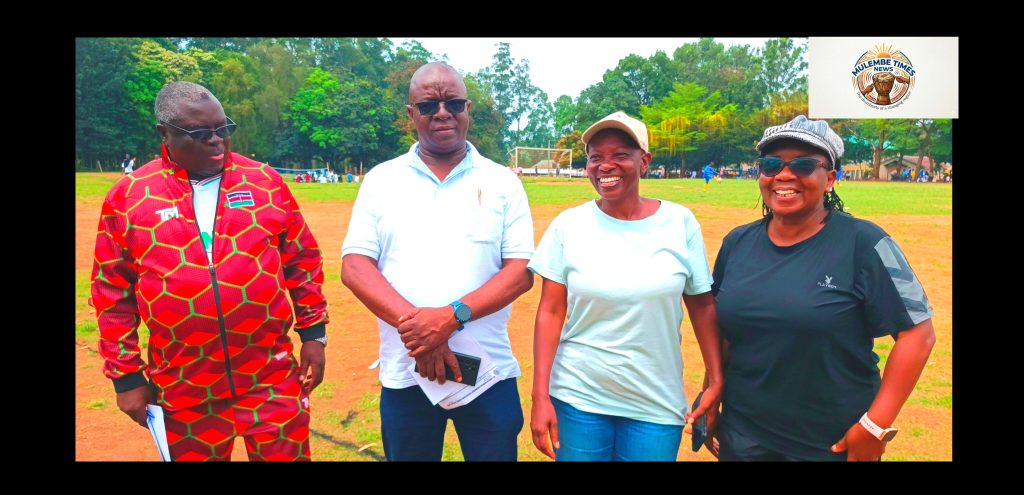
Officials of the Kenya Union of Post Primary Education Teachers (KUPPET) in Kakamega used the occasion to urge the government to increase funding for co-curricular activities, particularly for Special Needs Education institutions.
KUPPET Kakamega Junior Secondary Schools Executive Secretary Kennedy Wiva warned that chronic underfunding threatens years of progress made in promoting inclusive education.
“The financial situation has not been easy. Schools are operating under immense pressure, yet we cannot deny these learners their constitutional right to participate in co-curricular activities. Sports remain an important platform for inclusion, talent development and social integration,” said Wiva.
He challenged both the Ministry of Education and the Ministry of Sports to adopt affirmative action in funding programmes for learners with disabilities.
“Special Needs Education requires deliberate investment because these learners require specialised equipment, specialised training and additional support,” he noted. “The government must recognise these unique needs through adequate funding.”
Wiva also raised concerns over the stagnation of teachers in single job groups, saying many educators spend years without promotion despite their dedication.
“We have written to the Teachers Service Commission to stop calibrating the teaching profession. There should be a clear timeframe for teachers to move from one job group to another so they can progress in their careers and retire as principals,” he said.
He noted that beyond medals and trophies, sports help learners with disabilities build confidence, improve physical fitness, nurture talent and interact with peers from different counties—preparing them for life beyond the classroom.
Coaches, many of whom have spent months preparing the athletes despite limited facilities and resources, described the competitors as symbols of courage whose determination continues to inspire entire communities.
“These children have refused to surrender to circumstances. Every medal they win represents determination, sacrifice and hope. They deserve better support because their abilities are far greater than their disabilities,” said a coach from St. Bridgit Akoret Special School.
As whistles blew, races began and matches unfolded at the regional championship, the athletes were doing more than chasing victory—they were breaking barriers, challenging stereotypes and inspiring a nation to rethink disability.
For these learners, every sprint completed, every goal scored, every point won and every applause received is a triumph over adversity.
Even as schools struggle with shrinking budgets and rising operational costs, the athletes have delivered the championship’s most powerful lesson: dreams are not limited by disability but by the opportunities society chooses to provide.