
By REUBEN OLITA
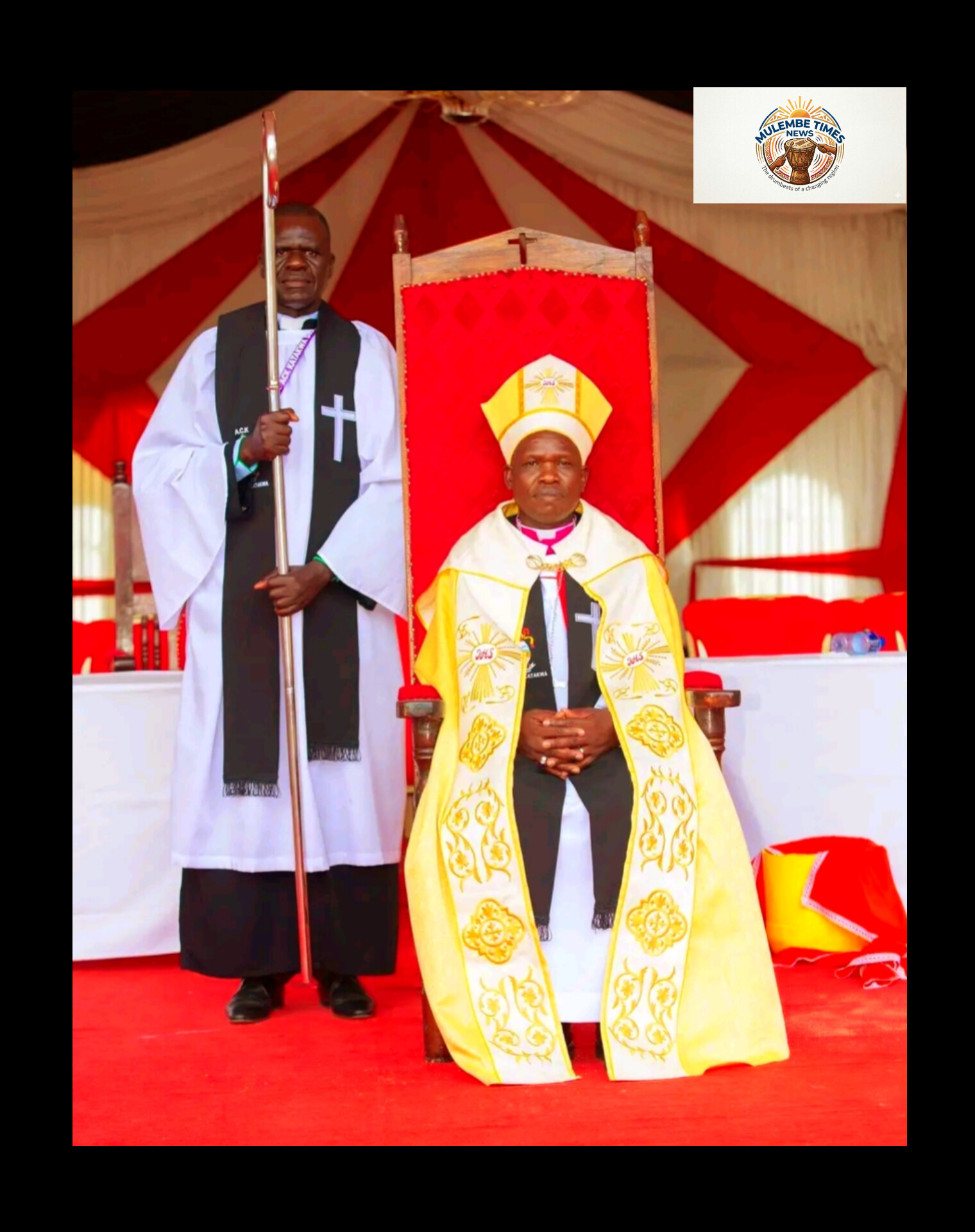
July 28, 2026|When Rt Rev. Dr. Vitalis Job Ekuru stepped into the bishop’s seat at ACK Katakwa Diocese on Sunday, he inherited more than just a spiritual mantle—he took over a diocese struggling with financial instability, governance challenges, and declining morale among clergy and faithful alike.
The Diocese, carved out of Nambale Diocese in 1991 and serving parts of Busia, Bungoma and Trans Nzoia counties across 48 parishes, has in recent years faced mounting difficulties. Sources within the church speak of dwindling tithes, neglected infrastructure, strained relationships between clergy and lay leadership, and a growing disconnect between the pulpit and the pressing socio-economic realities of the communities it serves.
Speaking during his consecration and enthronement at Amagoro Comprehensive School on Sunday, Bishop Ekuru did not shy away from these challenges. Instead, he unveiled a comprehensive reform agenda built on six strategic pillars, signalling a decisive break from the status quo.
“My leadership will not be business as usual,” the fourth bishop of the Diocese declared. “We have developed a clear blueprint and roadmap to drive our mission, ensure sustainable growth, and restore the confidence of our people in the Church.”
The six pillars he outlined are:
- Mission, evangelism and spiritual growth – with a renewed focus on reaching the unreached and revitalising stagnant congregations.
- Welfare, health and well-being – addressing the physical and emotional needs of both clergy and the wider community.
- Governance, leadership and policy development – introducing transparency, accountability, and structured oversight.
- Education, research, training and advocacy – investing in clergy development and lay empowerment.
- Information, technology and communication – modernising the Diocese’s outreach and administrative systems.
- Resource mobilisation and development – tackling the Diocese’s precarious financial position head-on.
“We cannot preach hope while our parishes are collapsing, our clergy are demoralised, and our resources are mismanaged,” he said. “Every parish will now be required to develop a strategic plan to ensure prudent management of resources. The days of ad-hoc decision-making are over.”
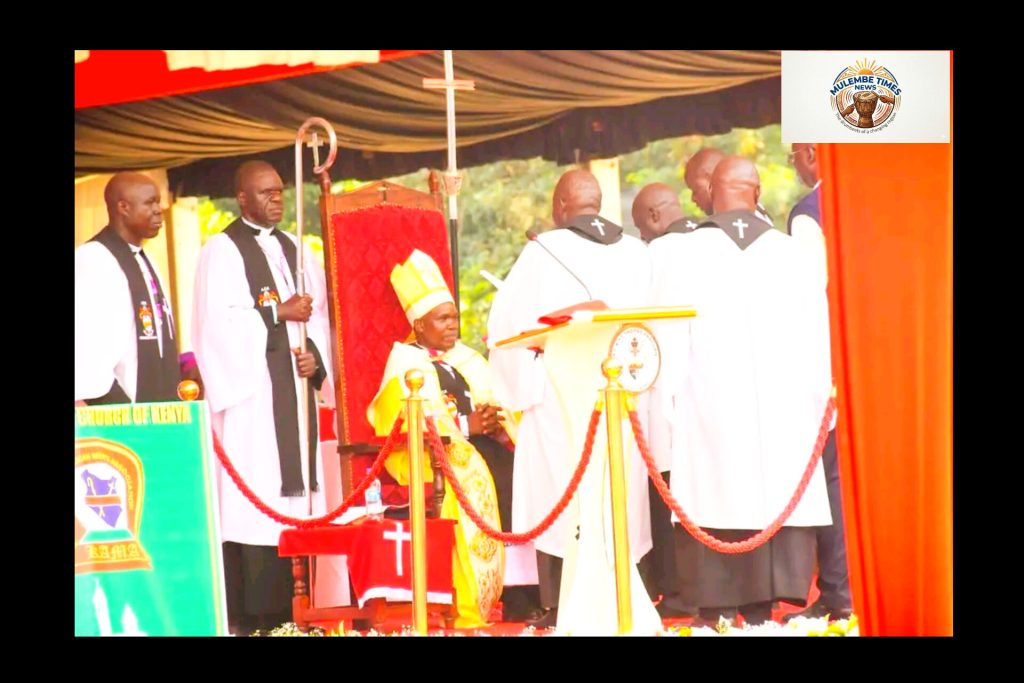
Bishop Ekuru, who cut his pastoral teeth in the Diocese of Soroti in the Anglican Church of Uganda before his theological training at Bishop Bualasi Theological College under the sponsorship of former Bishop Gershom Illukol, said his administration would invest heavily in capacity-building programmes to make local parishes self-sustaining.
He specifically called upon the Kenya Anglican Men’s Association (KAMA) and the Mothers’ Union (MU) to step up as engines of socio-economic transformation, undertaking projects that uplift families and communities rather than merely convening for meetings.
The new Bishop also announced that the Boards of Finance and Social Services would be restructured to develop systematic, transparent systems for effective service delivery. “We will scale up our involvement in entrepreneurship, agriculture, healthcare, education, development and environmental stewardship through initiatives such as the Green Anglican Movement,” he said. “The Diocese is richly endowed with both human and natural resources. We will harness them for holistic growth—not just for the Church, but for the communities we serve.”
In a significant move aimed at healing internal divisions, Bishop Ekuru paid tribute to his predecessors—Rt Rev. Eliud Okiring, Rt Rev. Zakayo Iteba Epus, and Rt Rev. John Okude—acknowledging the foundation they laid while also signalling his intention to build upon it with greater urgency. “I will continue to seek the wisdom and guidance of Bishops Zakayo and John as we work together to grow this Diocese,” he said, extending an olive branch to his predecessors whose relationships with the Diocese have at times been fraught with tension.
The Bishop also used the occasion to engage with national leadership, expressing gratitude to President William Ruto for his commitment to infrastructure, education, healthcare, and food security, while assuring him of the Diocese’s continued prayers and partnership.
“To the clergy and faithful of this Diocese, I offer my pastoral love and ask for your continued prayers and support,” he concluded. “Let us walk together in unity, love and obedience to the Great Commission. The task before us is enormous, exciting and challenging—but together, with God’s guidance, we shall accomplish it.”
For the faithful of ACK Katakwa Diocese, the question now is whether the new Bishop’s ambitious reform agenda can transform a diocese in distress into a beacon of hope, or whether the weight of its troubles will prove too heavy to lift. Bishop Ekuru has made his intentions clear: he intends to reform, restore, and renew. The coming months will reveal whether the diocese is ready to walk with him.