
By SHABAN MAKOKHA
August 7, 2026| A new economic door has swung open for Western Kenya’s Muslim community with the launch of a Shariah-compliant savings and credit cooperative—one designed to unlock capital for thousands of women, youth, traders, and families across the region.
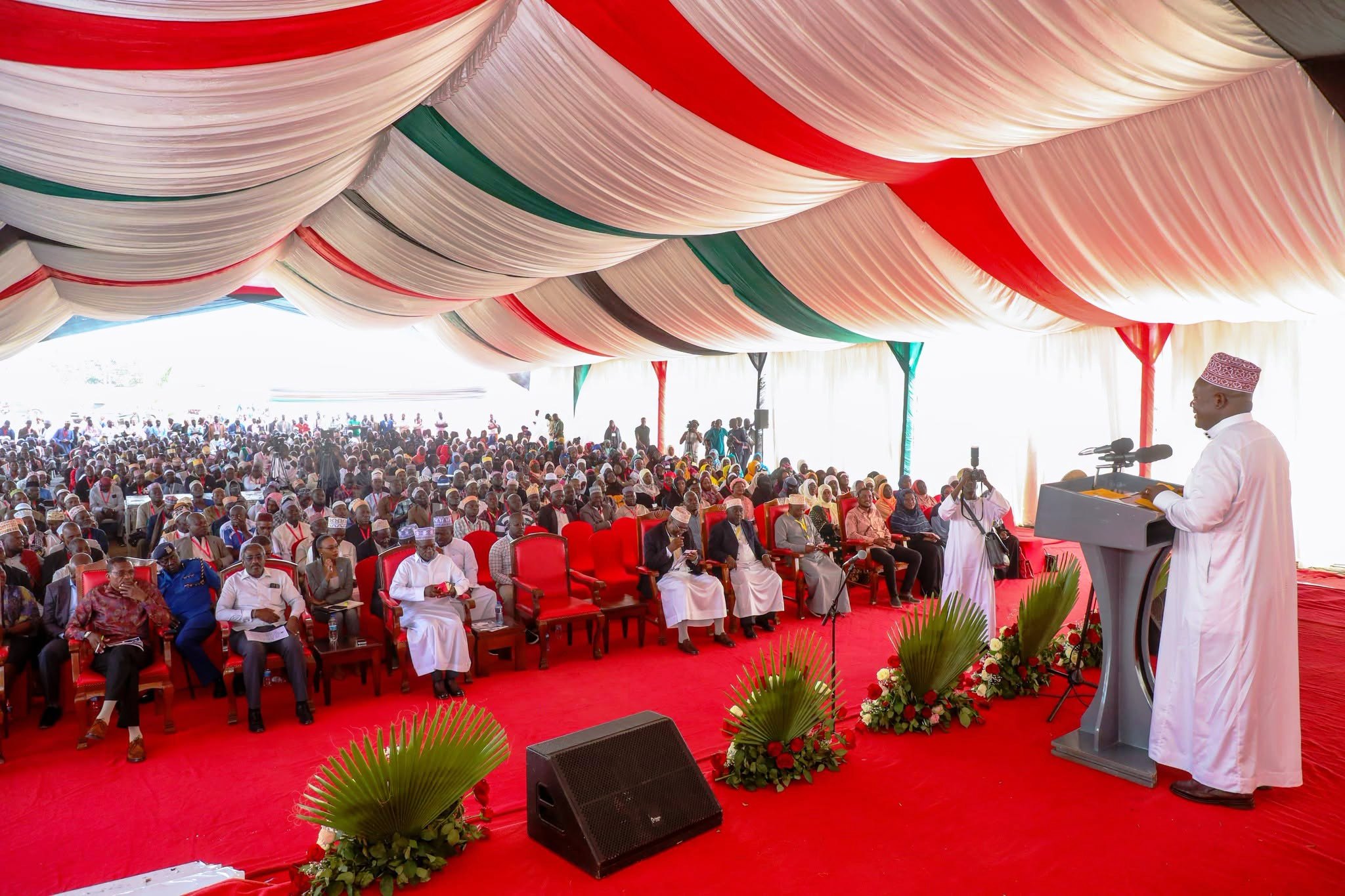
The Western Muslim Savings and Credit Cooperative Society (SACCO) was unveiled at Bukhungu International Stadium in Kakamega during the inaugural Gumzo la Uchumi Mashinani Muslim Public Participation Forum. The event drew Muslim leaders, government officials, entrepreneurs, and community representatives from Kakamega, Busia, Vihiga, Bungoma, and Trans Nzoia counties.
Also known as the Western Kenya Muslim Women SACCO and WEMUCO SACCO, the cooperative is positioned as more than a savings box. It is a vehicle for mobilising capital, accessing interest-free financing, launching businesses, creating jobs, and plugging the Muslim community directly into the region’s economic transformation.
Presiding over the launch were National Treasury and Economic Planning Principal Secretary Dr Boniface Makokha and Kakamega Governor Dr Fernandes Barasa, who injected seed capital to get the SACCO off the ground. The initiative also enjoys backing from Prime Cabinet Secretary Musalia Mudavadi, who has consistently championed cooperatives as engines of grassroots empowerment.
For years, Muslim entrepreneurs have struggled to access affordable finance that aligns with their faith. Conventional banking products, which rely on interest (riba), remain off-limits for many. This SACCO bridges that gap, offering a platform for collective savings and financing structured around Islamic principles.
Supporters see it evolving beyond a lender—into a powerful economic bloc for women, youth, small-scale traders, professionals, and aspiring business owners across the region.
Inclusivity in action
Governor Barasa called the launch a milestone in expanding financial inclusion and accelerating grassroots growth.
“This is a major step towards expanding financial inclusion and accelerating grassroots economic growth across Western Kenya,” Barasa said. “SACCOs remain central to community wealth creation—they give people the means to save, access affordable finance, grow enterprises, and create employment.”
He stressed that his administration has embraced inclusivity across all development programmes, insisting that economic opportunities should not be reserved for a privileged few.
“We have consistently embraced inclusivity in all our initiatives, guided by the belief that development must reach and benefit all residents,” he said.
The forum, he added, created a vital platform for Muslim leaders, women, youth, and entrepreneurs to discuss economic opportunities and chart a path for meaningful participation in development.
Taking economics to the people
PS Makokha said Gumzo la Uchumi Mashinani was designed to move economic conversations from boardrooms to the communities most affected by policy decisions.
“This is a platform for taking economic dialogue directly to the grassroots,” Makokha said. “Meaningful development can only be achieved through collaboration between leaders, communities, and stakeholders who understand the real needs of the people.”
He noted that the discussions must look beyond Vision 2030 and address the emerging economic aspirations of ordinary Kenyans. The SACCO launch, he added, was a practical outcome of that dialogue—turning talk into tangible opportunity.
State Department for National Government Coordination PS Ahmed Abdisalan echoed that sentiment, saying the government is deliberately creating spaces where citizens can engage leaders and demand accountability on economic matters.
“The Government is making deliberate efforts to create space for meaningful accountability in matters relating to the national economy,” Abdisalan said.
Who stands to benefit most
The SACCO is expected to be a lifeline for women and young people, who often struggle to raise capital for businesses. Through collective savings and Shariah-compliant products, members can transition from informal hustles to structured enterprises—whether running small shops, food ventures, or agricultural businesses—without compromising religious principles.
For the youth, the cooperative offers a springboard into entrepreneurship, skills development, and job creation. Leaders emphasised that the ultimate goal is to foster a culture of saving and investment, not dependence on handouts.
The gathering carried a broader message: economic empowerment must accompany political representation. With Muslim communities spread across five counties, leaders argued the region needed stronger economic networks to connect entrepreneurs, professionals, women, and youth. The SACCO is expected to provide that connective tissue—encouraging members to pool resources, invest collectively, and build a regional economic ecosystem.
A bigger ambition
The forum’s theme—”Empowering Our Community Through Unity, Education, Economic Growth and Social Responsibility”—captured the larger vision. It was not merely a call for financial inclusion, but an appeal to combine education, enterprise, and social responsibility in building a stronger economic future.
With backing from national figures like Mudavadi, supporters argue that such institutions can help communities build wealth from the bottom up, creating local pools of capital that fuel productive enterprises rather than waiting for outside investment.
The test ahead
The SACCO now sits in the spotlight as a potentially significant experiment in faith-based financial inclusion. But political goodwill and seed capital will not be enough. Success will demand strong governance, professional management, transparent systems, and the confidence of its members.
It must also prove that Shariah-compliant finance works for ordinary entrepreneurs—not just in theory, but in practice.
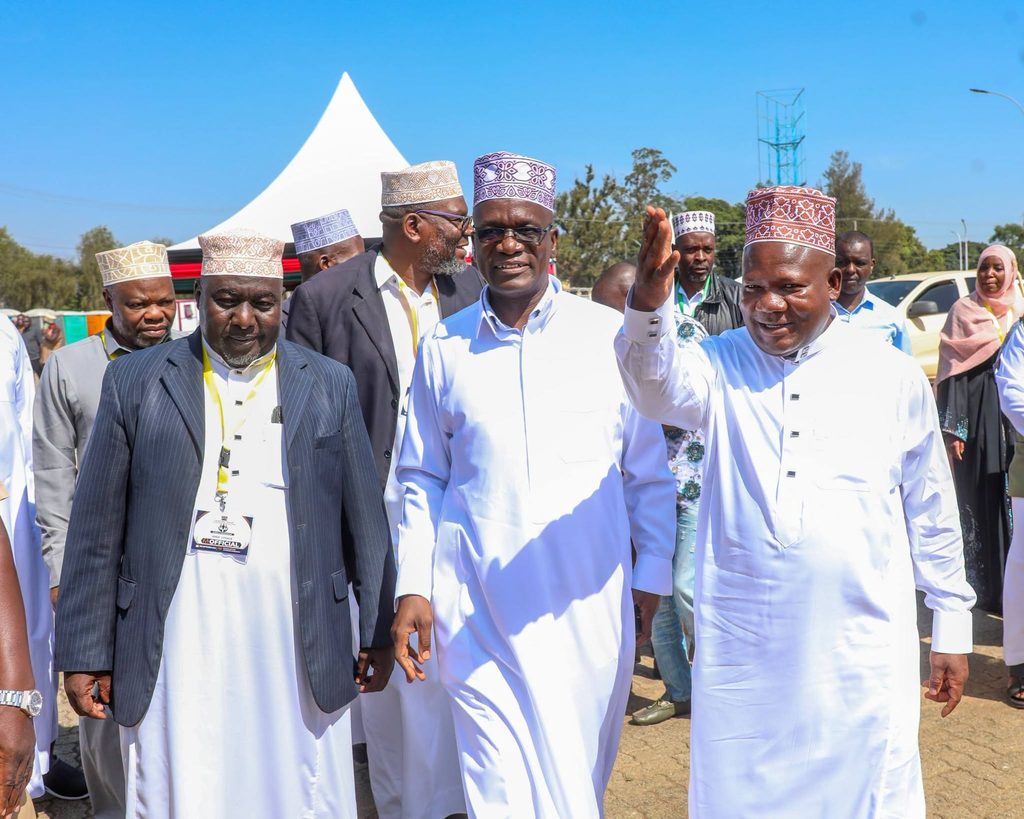
Muslim leaders who attended were optimistic, with five counties represented under one economic conversation. Among those present were Western Regional Commissioner Allan Macharia, Malava MP David Ndakwa, and National Chairman of the Council of Imams and Preachers of Kenya (CIPK) Sheikh Abdallah Ateka.
From savings to prosperity
The gathering ended with a clear message: economic empowerment must not remain a slogan. The task now is to turn the SACCO into a functioning institution—where savings become capital, capital becomes enterprise, and enterprise creates jobs and wealth.
For Western Kenya’s Muslim community, this launch represents a fresh attempt to build economic power from within—one saving, one business, and one entrepreneur at a time.
The ambition is clear: transform grassroots savings into a collective engine of prosperity, without compromising faith.