
By SHABAN MAKOKHA
October 5, 2026| The name Amarakita — a word associated with big tractors — was born out of politics.
For women who once faced ridicule simply because of the political identity attached to their name, Amarakita is increasingly becoming a story about resilience, organisation and ambition. Their journey has grown far beyond political mobilisation.
What started in 2021 as a group of women rallying support for Kakamega Governor Fernandes Barasa ahead of the 2022 General Election has evolved into a registered community-based organisation with ambitions to build an economic future for its members.
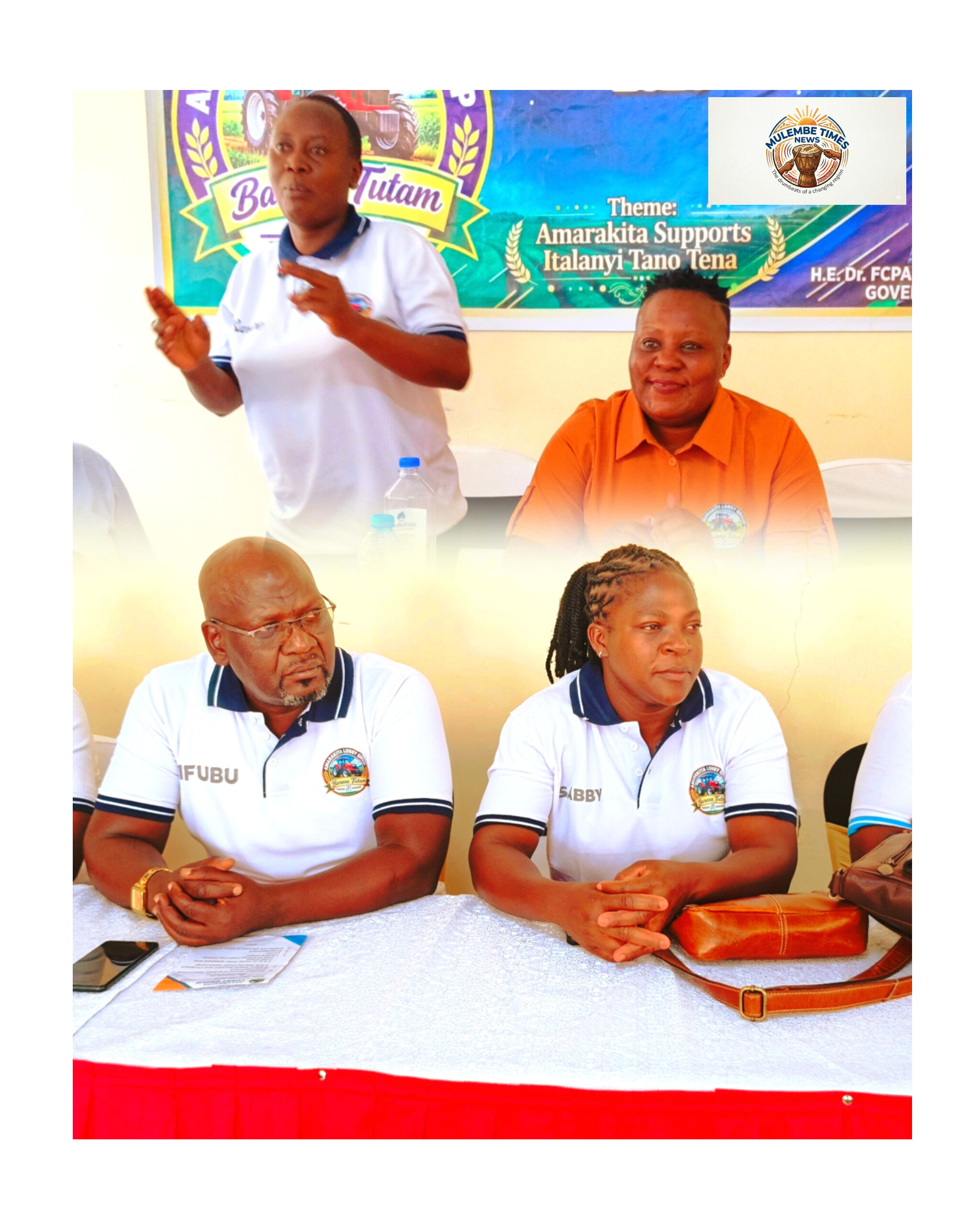
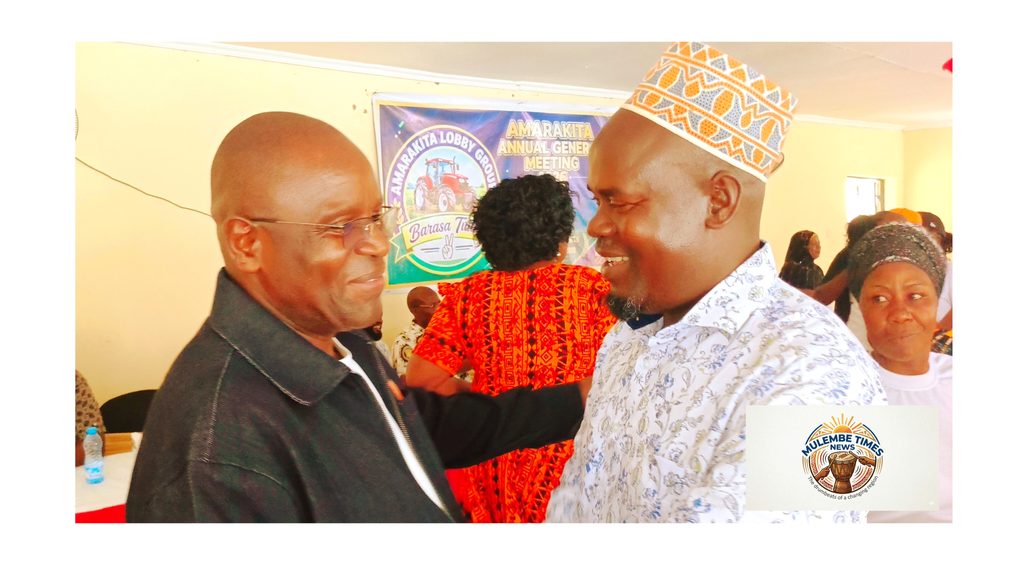
On Saturday, the women gathered for the Amarakita Lobby Group’s first Annual General Meeting, turning the occasion into both a celebration of their journey and a defiant response to years of ridicule, criticism and social-media attacks.
They danced to deafening Ohangla music, ululated, and embraced one another with the warmth of old friendships as they reflected on how far they had come — a journey that began with a political campaign but has since grown into something much bigger: an organised women’s movement with economic ambitions.
For a few hours, the women of Amarakita CBO forgot the ridicule, criticism and insults that have followed them since they burst onto Kakamega’s political scene five years ago.
For a group once largely known for its political activities — and sometimes subjected to harsh and disparaging labels online — the AGM offered an opportunity to showcase a different side of Amarakita: organised women pursuing economic empowerment, welfare and collective prosperity.
The group brings together single mothers, married women, widows and young women from across the 12 sub-counties of Kakamega County.
What began as a political grouping has steadily acquired the characteristics of an institution. The group has since established a formal leadership structure comprising a Chief Executive Officer, Patron, Chairperson, Secretary, Treasurer and other officials.
Group CEO Aziza Waziri said their journey had not been easy.
“We started this journey in 2021 when we found ourselves campaigning for Governor Fernandes Barasa. Today, we meet here as a Community Based Organisation,” she said.
Although politics remains at the heart of its identity, Amarakita is increasingly turning its attention to economic empowerment, seeking to ensure that the bonds forged during the political campaign translate into tangible opportunities.
At the top of its immediate plans is the purchase of a bus that will operate as an income-generating venture for the organisation, creating a financial stream to support its programmes and strengthen the economic wellbeing of its members.
“We have big dreams for this group and for each member, and we are optimistic that we shall realise them,” Ms Waziri said.
Members and invited guests made contributions towards strengthening the group’s financial base and helping it achieve the bus project.
Yet even as Amarakita charts an economic path, its political mission remains firmly intact. The group has declared its support for Governor Barasa’s bid for a second term in 2027, with its leaders urging members to remain committed to the cause that brought them together.
Chairperson Caleb Mahero described Governor Barasa as the figure around whom the organisation was formed and urged members to intensify their mobilisation ahead of the next election.
“Do not let Governor Barasa down going into 2027,” Mr Mahero cautioned. “We knew each other because of Barasa. And that is how this organisation was birthed. Therefore, we are because of Italanyi.”
Amarakita patron Matthew Munupi similarly urged members not to lose sight of their political objective, arguing that the governor’s development record would help propel him to a second term.
“We should not gamble with power. I assure you that Barasa will win in 2027,” he said.
The AGM brought together senior county officials and elected leaders, including County Executive Committee Member for Public Service Boniface Okoth, Chief Officers David Alila of Health and Saxon Kweyu of Youth and Sports, as well as MCAs Ali Okomba of Mumias Central, Eddy Obwaka of Etenje and nominated MCA Ngina.
Dr Alila used the occasion to recount his own political journey and explain why he believes Governor Barasa deserves another term.
For Dr Alila, the gathering was an opportunity to explain why he believes Barasa’s administration has given political space to people who previously felt overlooked. He drew from his own experience, contrasting his political fortunes before and after Barasa became governor.
“I personally played a very big role for my brother between 2012 and 2022, but I ended up embarrassed. Barasa, however, considered me for a position in his Executive, and today I stand as one of the beneficiaries of his leadership,” Dr Alila said.
He pledged to defend the governor’s re-election bid, urging members of the Wanga community to rally behind their own in the 2027 gubernatorial contest.
His remarks reflected the broader argument being advanced by Barasa’s allies — that the governor has created opportunities for people who believe they were sidelined during the first decade of devolution.
Chief Guest Boniface Okoth also challenged Amarakita to remain united while expanding its networks and bringing more supporters into Barasa’s camp.
“What I am sure of is that Barasa will win again in 2027. We only need to strengthen our support base by bringing on board more people,” he said.
Mr Okoth recalled the 2022 campaign, saying Barasa’s team had exhausted its financial resources but still defeated its closest challenger, former Kakamega senator Cleophas Malala, the UDA candidate who enjoyed the backing of then President-elect William Ruto.
“Raila Odinga had lost the presidential seat, we did not have structures in place and we did not have enough money like Malala. But we managed to win. 2027 will be easier than the last election,” he said.
For the Amarakita women, however, the political calculations are only one part of a much bigger journey.
Their AGM was as much about remembering where they started as it was about imagining where they want to go. From a loosely organised political support group formed around a gubernatorial campaign, they now have a formal organisation, an economic agenda and a long-term project in the planned acquisition of a bus.
The women who once gathered primarily to campaign now want to build an institution that can outlive individual political seasons.
Their message from the AGM was clear: the name Amarakita may have been born in politics, but they want its legacy to be built on unity, economic empowerment and the determination of women to create opportunities for themselves.