
By REUBEN OLITA
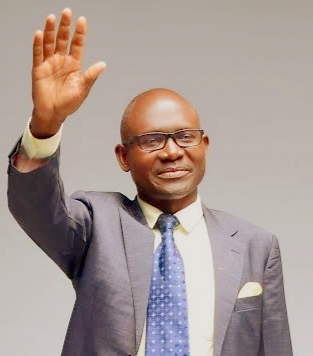
November 13, 2026| arliamentary aspirant Dan Mogoria (pictured) has raised concerns over the proposed introduction of toll charges along the Rironi–Mau Summit Highway, questioning whether the financing model is fair and affordable to ordinary Kenyans.
Mogoria argues that while investment in modern road infrastructure is essential for economic growth, improved transport efficiency and regional trade, development should not come at the expense of equity and affordability.
Under the proposed arrangement, motorists could pay between KSh8 and KSh8.50 per kilometre. Based on these indicative rates, a passenger vehicle travelling the entire 175-kilometre stretch would incur approximately KSh1,400 to KSh1,488 for a one-way journey—translating into about KSh2,800 to KSh2,975 for a return trip.
The proposed charges could have significant implications for motorists who regularly use the corridor connecting Nairobi to the Rift Valley, Western Kenya and neighbouring East African markets. Farmers, small-scale traders, public transport operators and businesses that depend on road transport are among those who could feel the impact, particularly if increased transport costs are eventually passed on to consumers through higher prices of essential commodities.
Mogoria maintains that the debate should not be about opposing investment in modern highways, but rather about questioning the fairness, affordability and sustainability of the proposed financing arrangement. He has questioned why the Rironi–Mau Summit corridor should attract toll charges while several other major national highways remain accessible to motorists without direct toll payments.
He has also raised concerns about the availability and suitability of alternative routes, questioning whether they are safe, properly maintained and convenient for motorists seeking to avoid the proposed charges.
Of particular concern is the possibility that additional transport expenses could increase the cost of moving agricultural produce and other essential goods, placing further pressure on households already grappling with the high cost of living.
The Teso North parliamentary aspirant has further invoked Article 10 of the Constitution, which identifies equity, inclusiveness, equality, transparency and accountability among the national values and principles that should guide public policy and decision-making. He argues that appropriate safeguards are necessary to ensure that infrastructure financing does not disproportionately disadvantage particular communities, income groups or regions.
Proponents of toll-funded infrastructure, however, argue that such arrangements can mobilise private capital, accelerate major road projects and reduce the immediate financial burden on the national government.
Mogoria’s concerns add to the wider national conversation on how Kenya can finance major infrastructure projects while protecting the economic interests of ordinary citizens. He maintains that Kenya deserves world-class infrastructure—but Kenyans also deserve fairness in how such investments are financed.
The central question, therefore, remains whether the cost of accessing modern roads will be within the reach of ordinary citizens or become an additional financial burden for those who depend on them for their livelihoods.