
Duncan Waswa
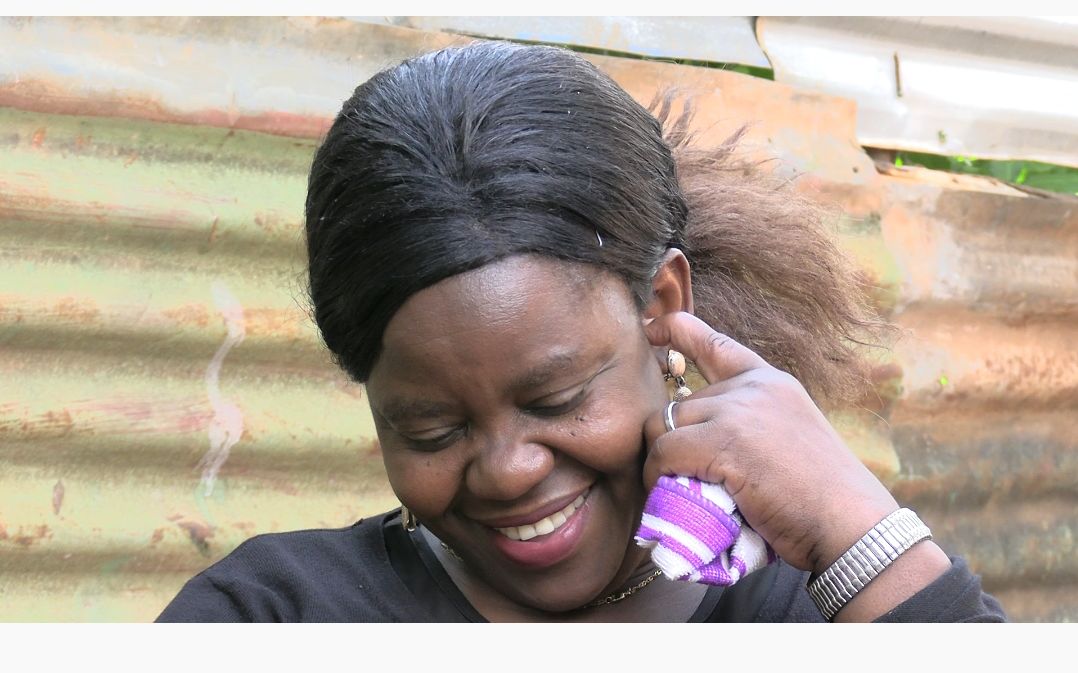
In the quiet shadows of tradition, where cultural beliefs often hold sway over life and death, one woman dared to choose love over fear. Her name is Carodan Bulimo — a mother, gospel singer, and reverend whose life stands as a quiet rebellion against a custom that once threatened everything she held dear.
I travel to Cheptais, a peaceful village nestled on the slopes of Mt. Elgon, to meet Carodan. The calm here is deceiving — beneath it lies a history of exile, sacrifice, and unshakable faith.
Carodan was just 16 when she got married. At 17, she gave birth to twin boys — typically a cause for celebration. But in the Teso community where she had married, twins were not always welcomed, especially if the first twin was born head-first. According to tradition, this was a sign of misfortune — a curse, even.
The elders said such children must be eliminated. If allowed to live, they warned, the father would die or calamity would fall upon the family.
The young couple was forced to face a harrowing choice: obey the custom and sacrifice their babies, or defy it and risk being ostracized.
“I was a girl with no job, no income — and now, a mother of twins no one wanted,” Carodan recalls. Her voice is steady, but her eyes cloud with the weight of memory. “But I knew I couldn’t let them die. I just couldn’t.”

Her husband stood with her. That choice came at a high price.
They were banished — chased out of the village with their newborn sons in their arms. With nothing but their faith and each other, they fled to Cheptais and began life anew from the ground up.
Exile was punishing. They survived on menial jobs. Some days, they had nothing to eat. Nights were long and cold. But amid the hardship, Carodan found light — in music.
At a small village church, she joined the choir. Singing became her refuge, her healing. Her voice, once silenced by pain, now echoed with praise. Church elders noticed her gift and encouraged her to train in ministry. That changed everything.
“I believe God used music to heal what life had broken in me,” she says.
Years passed. Carodan became a trained reverend. Her music reached far beyond the village — telling stories of faith, courage, and the choice she made as a mother. The twin boys she once feared losing grew into strong, gifted young men.

Today, 25 years later, they are among Kenya’s rising stars in gospel music production.
“I remember being told not to breastfeed them. To just let them die,” she says, tears welling up. “But every time I see them — healthy, talented, God-fearing — I know it was only grace.”
But some wounds take longer to heal.
It took her 12 years to conceive another child. Doctors told her the trauma had left deep psychological scars that medicine could not mend. Still, she never lost hope.
Cultural expert Dr. Isaac Misiko, based in Bungoma, warns that such harmful beliefs persist in parts of Kenya.
“These traditions are rooted in fear and misinformation,” he explains. “Every child, whether born alone or as a twin, has a divine purpose. No culture has the right to decide who lives and who doesn’t.”
He adds, “It’s the silence that sustains these practices. We need to tell these stories. That’s how change begins.”
Indeed, Carodan’s story is no longer hers alone — it has become a beacon for others trapped between love and loyalty to culture, between truth and tradition. Today, she mentors young mothers, helping them find their voice and advocating for the protection of children from cultural violence.
Though her journey was steeped in pain, she insists it wasn’t in vain.
“I lost everything — home, family, acceptance — but I found something deeper: faith, purpose, and the purest kind of love. A mother’s love, willing to suffer rather than surrender,” she says.
Carodan Bulimo’s life reminds us that strength is not always loud. Sometimes, it is found in the tears of a mother, in the quiet resolve of a choir singer, in the defiance of a woman who chose life when tradition demanded death.
In a country where some customs still endanger women and children, voices like Carodan’s are more urgent than ever.
Not to shame cultures — but to awaken them. To show that transformation is possible. That we can honor heritage while protecting life.
Because no tradition, however sacred or ancient, should ever require blood to stay alive.