
By SHABAN MAKOKHA
March 5, 2026| The Ministry of Education has directed all schools to accommodate students from diverse religious backgrounds without discrimination, regardless of the institution’s sponsoring faith.
In a circular to County Directors of Education, Principal Secretary Julius Jwan warned school heads against violating learners’ religious rights or using religion to deny admission or expel students. The Ministry specifically prohibited banning religious attire like hijabs and turbans, forcing students to take religious subjects against their beliefs, denying opportunities to observe religious rights and prayers, and compelling participation in religious activities contrary to students’ faith.
“The violation of religious rights is against the Constitution of Kenya 2010, various national legislations, and international conventions,” cautioned Mr Jwan.
The Constitution acknowledges Kenyans’ diverse backgrounds and emphasizes respect for these differences. Article 32 guarantees freedom of conscience, religion, belief and opinion, and the right to manifest beliefs through worship and observance. It prohibits denying anyone access to institutions based on religion and protects individuals from being compelled to act against their beliefs.
The circular emphasizes that under the Basic Education Act 2013, every child has the right to access education. According to the Principal Secretary, violating religious rights disrupts school peace and has caused numerous students to drop out.
The directive follows heated debate over schools refusing to admit students based on religion. Recent years have seen religious intolerance emerge as a growing crisis, with schools becoming flashpoints for tensions. Manifestations include bullying, social isolation of students with different beliefs, and imposing specific religious practices on minority students.
A central conflict exists between constitutional guarantees of religious freedom and school rules demanding adherence to specific faiths, particularly in church-sponsored institutions. In a significant case, a student barred for wearing dreadlocks prompted a court ruling recognizing Rastafarianism as a religion and upholding the right to religious expression.

St Mary’s Lwak Girls High School recently drew national attention after denying admission to a Grade 10 Muslim girl for wearing a hijab. At St Theresa’s Girls School in Marsabit, Muslim parents protested for over five years demanding their daughters wear hijab as part of the school uniform.
What began as dress code disputes reached Parliament, where committee members pressed Education Cabinet Secretary Julius Migos to ensure the St Mary’s Lwak student resumed schooling. Committee Chair Mr Tindi Mwale referenced Article 27, which guarantees equality and prohibits discrimination based on religion.
Commissioner of Revenue Allocation Hadija Nganyi urged school administrators to follow Ministry guidelines and accommodate diverse religions. “When a school accepts government funding, it becomes a public service provider bound by the Constitution. However, inclusivity cannot be a one-way street; if we advocate for a student’s right to wear a hijab in one school, we must equally protect the right not to wear one in another,” she said.
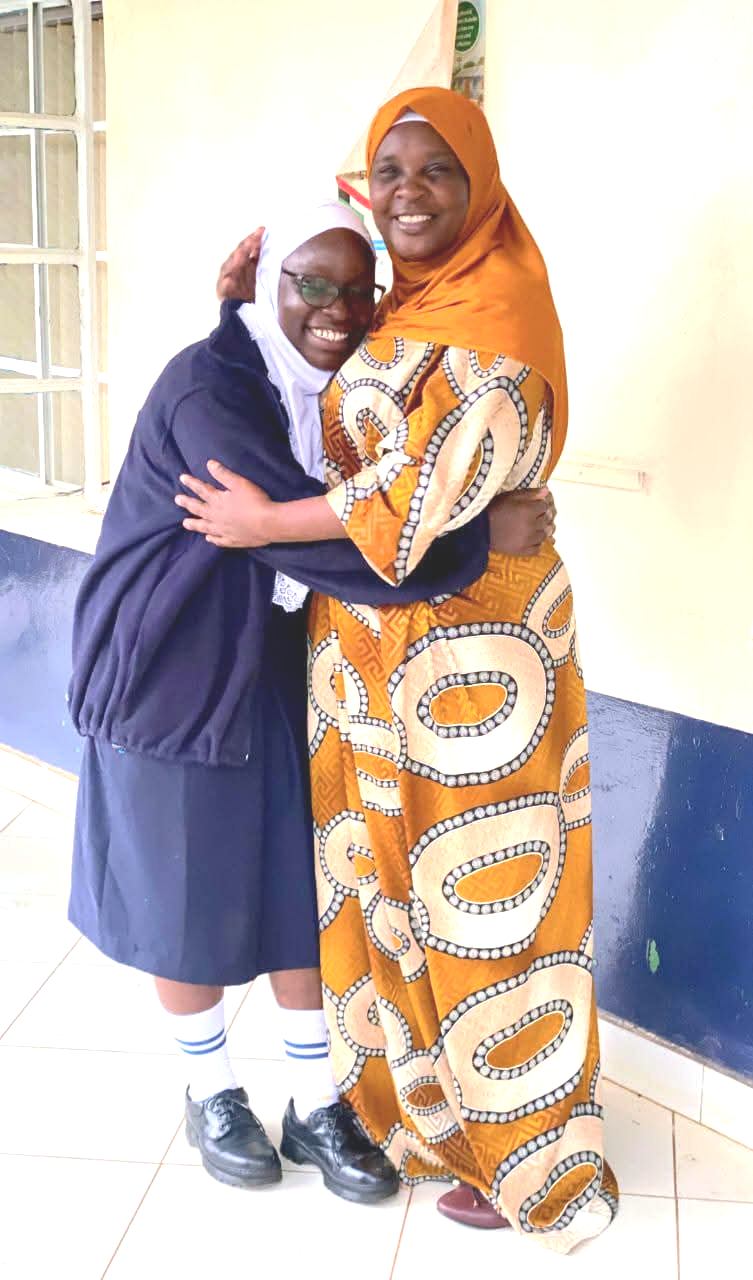
Ms Nganyi visited Samira, the girl who left St Mary’s Lwak over the hijab issue, offering counseling before facilitating her transfer to a new school. “We urge those in charge of schools to be tolerant of different faiths and observe the law.”
Despite constitutional frameworks, weak policy implementation continues to challenge school administrators, who struggle to apply them due to deeply entrenched traditional school cultures. Addressing this crisis requires strict adherence to students’ legal rights, promotion of inclusive curricula, and fostering a culture of respect within the education system.