
By SHABAN MAKOKHA
March 18, 2026| In a powerful show of grassroots intervention, a wave of relief swept through Matungu Constituency this week as thousands of vulnerable learners received bursaries from their local Member of Parliament. The timely financial boost arrives as schools across Kenya grapple with one of the most severe funding crises in recent years, triggered by a drastic reduction in national government capitation.
The government’s cut to free secondary education funding—from Sh22,244 to approximately Sh12,870–Sh15,000 per learner—represents a staggering decrease of nearly 43 percent. This shortfall has left schools nationwide operating with massive deficits, stalling essential programs, and witnessing an alarming rise in student absenteeism due to unpaid fees.
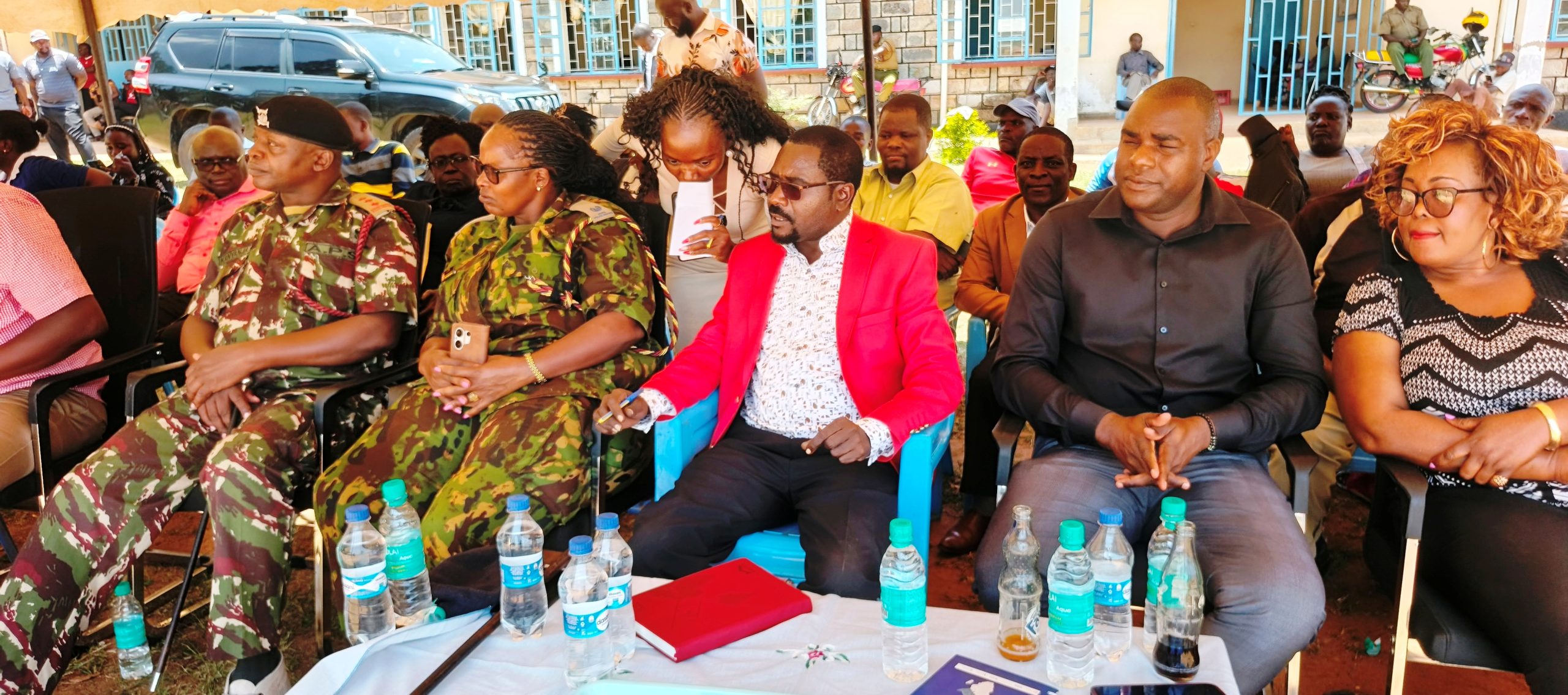
Speaking at the cheque distribution ceremony at the Matungu NG-CDF grounds, MP Peter Nabulindo framed the bursary initiative as a crucial lifeline, aimed at cushioning the constituency’s most vulnerable students from the ripple effects of the national shortfall.
“Schools are bleeding financially, but our children must not suffer because of decisions they did not make,” Nabulindo stated. He warned that allowing a child to drop out of school today was tantamount to losing a professional tomorrow.
A total of 4,000 learners in senior schools across Matungu—identified as orphans, children with disabilities, and those from extremely low-income households—received bursaries totaling Sh20 million. The gesture was met with palpable relief by school heads, who confessed that the allocation had arrived not a moment too soon.
‘A Blessing’ for Schools on the Brink
Local principals painted a dire picture of their institutions’ financial health, revealing that despite the official capitation figures, many schools had received as little as Sh5,800 per student, making basic management nearly impossible. The situation has been exacerbated by a hiked cost of living that has sent prices of essential commodities soaring.
“We had agreed, as principals in Matungu, to close schools earlier because of the financial crisis,” confessed Ms. Colleta Were, the Kenya Secondary Schools Heads Association (KESSHA) chairperson in Matungu. “This bursary has come as a blessing.”
Ms. Were detailed the scale of the crisis, noting that some principals are facing budget deficits ranging from Sh5 million to Sh20 million, depending on school size. “All the schools are running on emergency credit from suppliers,” she added.
Mr. George Wekesa, principal of Itete Secondary School, warned that institutions were on the edge of collapse. “Without enough capitation, we cannot pay Board of Management (BoM) teachers and other support staff, buy lab chemicals, or maintain basic operations,” he explained. “We appreciate this support from the NG-CDF. But unless national capitation is restored to sustainable levels, schools will continue suffocating.”
The ripple effects of the funding slash are already evident nationwide: students are being sent home over fee arrears, schools are cutting back on essential services like meals, and debts to suppliers are mounting.

MP Issues Stern Warning: No Student Sent Home
Mr. Nabulindo launched a sharp critique of the government’s funding cuts, arguing that shifting the financial burden onto already struggling parents is unacceptable and threatens the very foundation of free primary and secondary education.
“Any plan to cut capitation and shift the burden to parents is unacceptable,” he asserted. “The government must instead increase funding to match the rising costs in schools.”
He warned that failure to act risks widening educational inequality, particularly for learners from low-income households who depend entirely on government support. In a direct and forceful directive, he addressed school administrators:
“I therefore ask the school principals and the general management of schools in Matungu not to send any student home for school fees. These parents are living in abject poverty. Many of them have sold part of their sole possession—land—to enroll children in school. They have nothing left. Even families with a small income are still struggling because the cost of living has gone high.”
The MP pledged to continue channeling funds towards bursaries and infrastructure through a 10-year strategy, aiming to equip all schools in the area with permanent, storyed buildings.
Parents Urged to Play Their Part
While acknowledging the MP’s significant intervention, Matungu Sub-County Education Officer Christine Owino challenged parents to also step up. She called on them to supplement the bursary by paying any required fees, providing essential items, and ensuring their children are well-fed.
“Education is not an expense—it is an investment,” Ms. Owino noted. “When you fund the education of your children, you are investing for the future.”
.