
By SHABAN MAKOKHA
April 29, 2026| A storm is brewing between Kenya’s two Houses of Parliament.
On one side, the Senate. On the other, the National Assembly. And at the heart of the tempest: money—or rather, the lack of it—for the country’s 47 county governments.
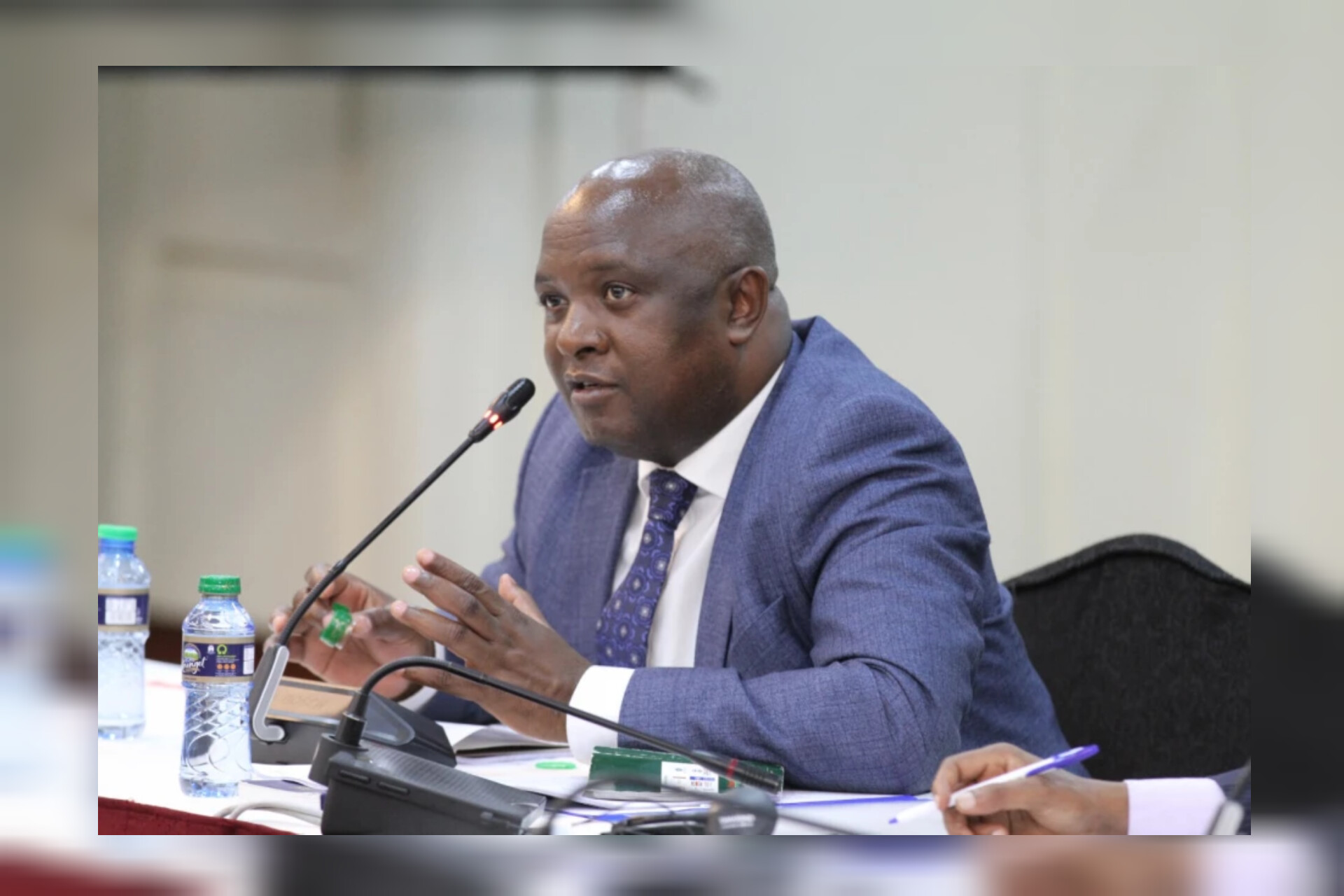
During a heated debate on the Division of Revenue Bill, 2026, on Tuesday, Senator Godfrey Osotsi launched a blistering attack on the National Assembly, accusing it of violating the Constitution and systematically starving counties of crucial resources. His charge? A “token increase” in county allocations over the past five years that he says undermines devolution itself.
The numbers tell the story. According to Osotsi, the shareable revenue to counties has crept up from Sh370 billion in the 2022/23 financial year to a proposed Sh420 billion in the 2026/27 budget cycle. That is an overall growth of just Sh50 billion.
“An increase of Sh50 billion in five years translates to about Sh10 billion annually,” the senator thundered. “That is extremely little money for counties expected to deliver essential services. It is nothing short of a mockery of devolution.”
But the figure is not just meagre—it is also defiant. Osotsi noted that the National Assembly’s preferred Sh420 billion falls significantly below what experts and committees recommended. The Commission on Revenue Allocation (CRA) had proposed Sh458 billion. The Senate Finance Committee, chaired by Senator Ali Roba, recommended Sh454 billion. In both cases, the National Assembly said no.
“The National Assembly has again chosen to ignore the technical advice of institutions mandated to guide revenue allocation,” Osotsi lamented. “This persistent lowering of figures undermines counties and cripples service delivery.”
Yet it was the alleged constitutional violation that drew the senator’s sharpest rebuke.
Osotsi accused the National Assembly of breaching Article 229 of the Constitution, which requires Parliament to consider and approve the Auditor-General’s reports within three months of submission. He said the Division of Revenue Bill is pegged on outdated audit reports for 2022/23—nearly three years old—even as more recent reports gather dust, waiting for legislative action.
“The Senate has complied with Article 229,” he said. “The National Assembly has not. We are now using audit reports that are nearly three years old to determine allocations. That is unconstitutional and unacceptable.”
His warning was stark: reliance on outdated figures risks rendering the entire revenue-sharing framework invalid.
“If one House does not comply, then this Bill becomes unconstitutional,” he said. “We cannot continue to short-change counties using outdated data. The law is clear.”
Osotsi also took aim at the mediation process between the two Houses, describing a ritual of disappointment. Every time the Senate pushes for more resources, he said, mediation drags the figure down. “At best, we get a marginal increase of a few billion shillings. That must change.”
For context, the Division of Revenue Bill is no ordinary legislation. It is the central legal instrument that sets the vertical sharing of national revenue between the two levels of government. It determines how much counties receive to fund healthcare, agriculture, early childhood education, roads, and other devolved services. In short, it is the financial lifeline of devolution.
Governors have repeatedly warned that stagnating allocations are already hurting. Pending bills. Stalled projects. Struggles to fund essential services. The cracks are showing.
Now, with the Senate insisting on higher allocations and the National Assembly pushing back, the two Houses appear headed for yet another confrontation—the kind that has become a perennial source of tension since devolution began.
Whether the standoff triggers a new mediation process or even litigation, one thing is certain: counties will be watching closely as the battle over their financial lifeline unfolds in the corridors of Parliament.