
By BOB AMALEMBA
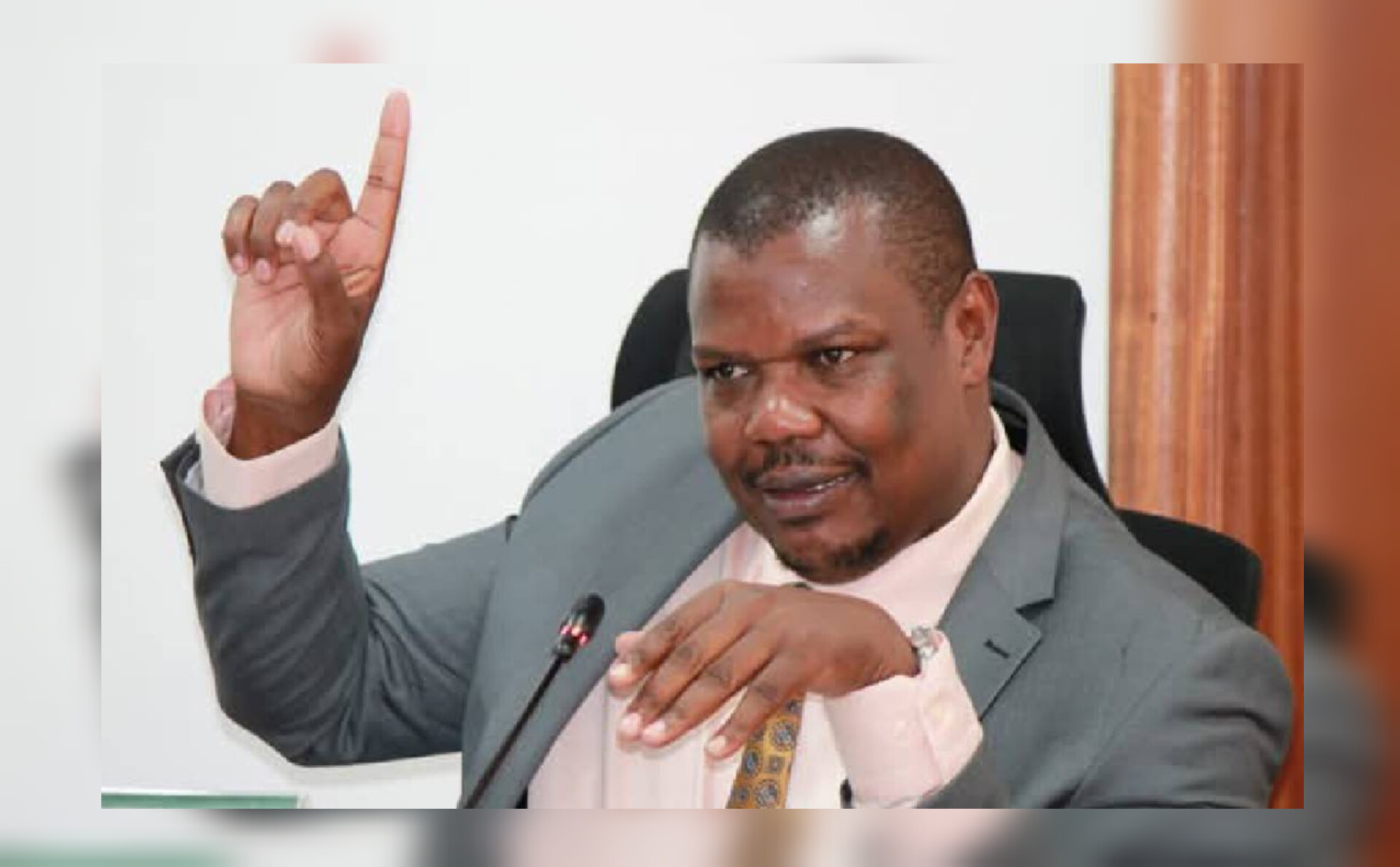
May 14, 2026| The High Court has faulted the National Assembly over the suspension of Bumula MP Jack Wanami Wamboka as chairperson of the Public Investments Committee on Governance and Education, ruling that Parliament may have violated the Constitution by punishing him before giving him a fair hearing.
In a significant ruling delivered in Nairobi, Justice Gregory Mutai suspended the decision made on April 22, 2026, by the National Assembly leadership to remove Wamboka from the influential oversight committee pending investigations by the Committee of Powers and Privileges.
The court held that despite Parliament’s constitutional powers to regulate its internal affairs, it cannot act outside the Constitution or ignore the rights of elected leaders.
“The Constitution of Kenya applies in every respect across the entirety of the Republic,” Justice Mutai ruled, adding that Parliament is not shielded from judicial scrutiny where violations of constitutional rights are alleged.
The suspension had followed complaints allegedly raised by the National Cohesion and Integration Commission accusing Wamboka of hostility, harassment of commissioners and staff, and demanding inducements during committee proceedings.
Deputy Speaker Gladys Boss communicated the suspension, which was to last 45 days pending investigations.
But Wamboka moved to court through Senior Counsel Nelson Havi and advocate Brian Khaemba, arguing that the suspension was illegal because it was imposed before any inquiry, investigation or hearing had taken place.
The court appeared persuaded by that argument.
Justice Mutai noted that the allegations against Wamboka were first raised in July 2025 but were suddenly acted upon in April 2026 with what he described as “surprising alacrity.”
The judge further observed that there was evidence Wamboka may not have received written notification of the charges against him as required under the Fair Administrative Action Act.
“The petitioner appears not to have been heard,” the judge stated in the ruling.
The court held that suspending the MP before hearing him potentially violated Articles 47 and 50 of the Constitution, which protect the right to fair administrative action and a fair hearing.
Parliament had argued that the court lacked jurisdiction because the dispute concerned internal parliamentary proceedings protected under parliamentary privilege and the doctrine of separation of powers.
Lawyers representing the National Assembly insisted the suspension was lawful, procedural and necessary to protect the integrity of the oversight committee, which handles sensitive scrutiny of public investments in sectors such as education, governance, defence and justice.
The National Assembly also argued that the suspension was merely temporary and comparable to the suspension of judges facing disciplinary proceedings.
However, Justice Mutai rejected the comparison, saying the process used by the Judicial Service Commission includes written responses, hearings and safeguards before suspension.
“The process is not perfunctory,” the judge observed.
The court further dismissed Parliament’s argument that the matter was premature, noting that the suspension had already taken effect and Wamboka was actively serving the sanction.
“In my view, the petitioner’s grievance has ripened,” Justice Mutai ruled.
The judge said courts cannot shy away from intervening when constitutional violations are alleged merely because the matter arises within Parliament.
“Judicial intervention is warranted where there is a clear violation of the Constitution,” the ruling stated.
The High Court consequently issued conservatory orders suspending Wamboka’s removal from the committee pending the hearing and determination of the constitutional petition.
Justice Mutai directed that the petition be heard and determined within 120 days because it raises issues touching on the integrity of parliamentary oversight committees and constitutional governance.
The ruling now places the conduct of the National Assembly leadership, including Speaker Moses Wetang’ula, under renewed scrutiny over adherence to due process and constitutional safeguards in disciplinary proceedings against MPs.