
By BOB WASWANI
February 28, 2026| In a ruling that has sent ripples through Kisii’s passionate football community, the Employment and Labour Relations Court in Kisii has blocked Shabana FC — the beloved “Tore Bobe” outfit currently lighting up the FKF Premier League — from introducing a key document to prove payments to former player Samuel Otieno Omollo.
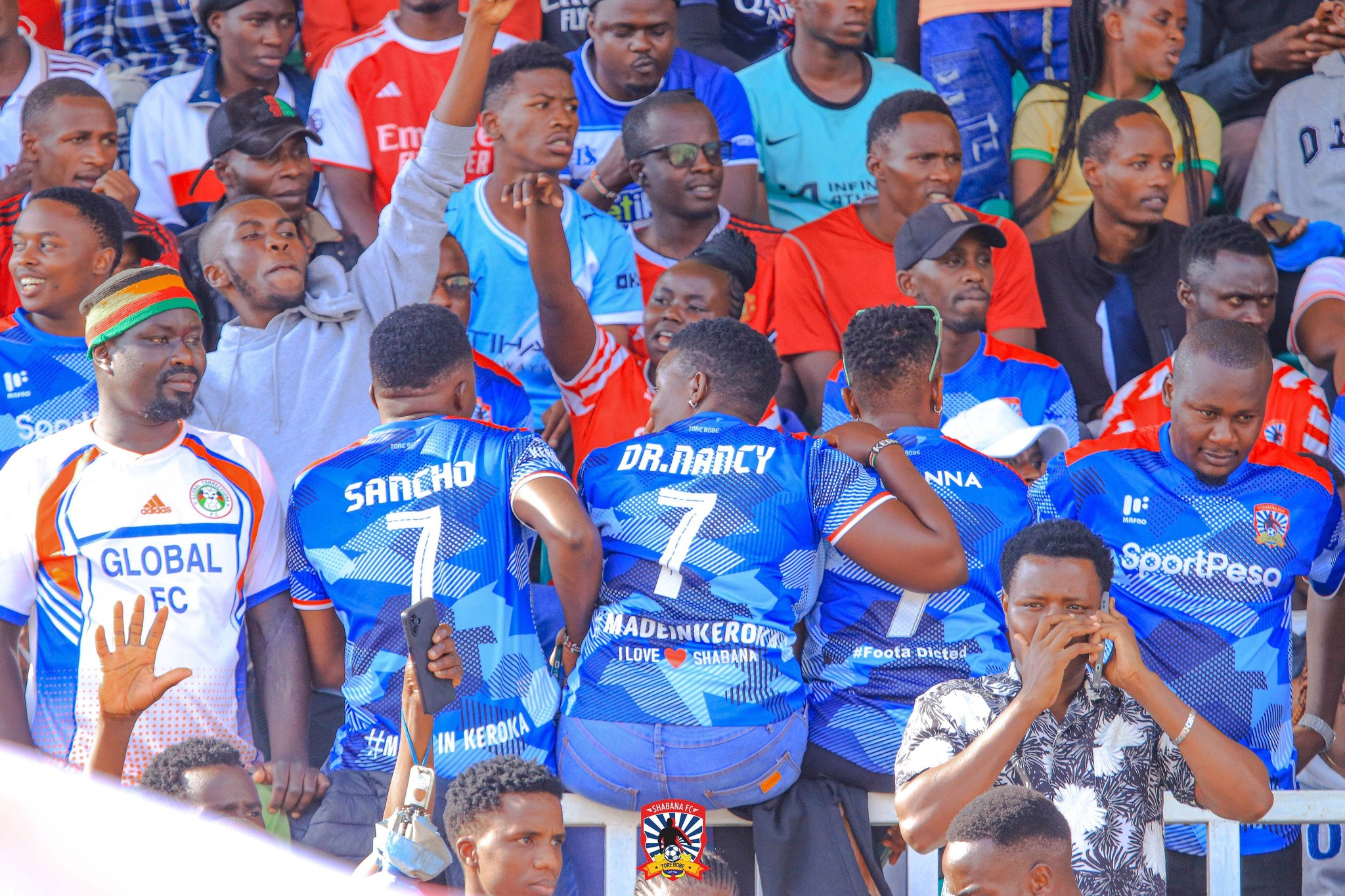
The decision, delivered by Judge Nzioki wa Makau on February 25, 2026, in Cause No. E005 of 2025, underscores the strict evidentiary standards even in labour disputes involving Kenya’s vibrant local football scene. Shabana FC, founded in 1982 and known for its loyal fanbase chanting “Tore Bobe” (a rallying cry immortalized in anthems by artists like KenRazy featuring Stema G), is no stranger to drama both on and off the pitch. Having clinched the National Super League title in 2022/2023 and stormed into the top flight, the Glamour Boys are chasing a maiden Premier League crown while navigating off-field challenges.
The case stems from a claim by Samuel Otieno Omollo, a former player, against the club. During proceedings, Shabana’s advocate, Mr. Kanyoko, sought to admit a document titled “Samuel Omollo Latest Payments” printed on the club’s official letterhead. The paper listed figures purporting to show deposits made to the claimant.
Claimant’s lawyer, Mr. Munyendo — who praised his counterpart’s courtesy before objecting — argued the document lacked legitimacy. It bore “no semblance to a bank statement or MPESA statement,” he said, urging the court to disallow it as proper proof of payment.

Mr. Kanyoko countered that this was the club’s standard format for recording payments to technical staff and players alike. As the employer, Shabana keeps its own records under section 74 of the Evidence Act, and the court should accept what the club has in its possession.
Judge wa Makau sided with the claimant. While acknowledging that employers maintain payment records, the judge emphasized the nature of reliable proof. The document was merely typed figures on club letterhead — not a bank transfer instruction, cheque, electronic payment confirmation, or official MPESA/bank statement. Without corroborating bank or mobile money records, “it is doubtful if great weight can be attached to it,” the ruling stated.
The court formally disallowed production of the document, leaving Shabana’s defence weakened in proving that all dues were settled. The decision highlights broader tensions in Kenyan football: clubs often operate on tight budgets, relying on informal or internal payment systems, while players seek enforceable protections under labour laws. For a club like Shabana — whose fans pack Gusii Stadium and whose recent form includes a gritty 1-0 win over Mathare United and eyes on a high-stakes clash with AFC Leopards — off-pitch legal battles add pressure amid a promising league campaign.
Neither side has commented publicly on the ruling, but it serves as a reminder that passion for the beautiful game must still bow to courtroom rigor. As “Tore Bobe” continues its charge up the Premier League table, this evidentiary rebuff may force a rethink on how the club documents player finances moving forward.