
By SHABAN MAKOKHA
March 9, 2026|
For five long years, Rose Wabuti, a 62-year-old widow from Shiongo village in Kakamega County, hasn’t been alone in her bed. Every night, as she lay down to rest, she would receive unwelcome guests—tiny invaders that would bite, leaving her with itchy, painful lesions and rashes.
Her modest home was infested with bedbugs. The creatures lurked in her mattress, her chairs, her wall unit, and even the tables, emerging in the cool of the night to feed. It was a source of relentless stress, sleeplessness, and deep psychological distress. Over-the-counter powders from the local hardware store proved useless against the exponentially growing horde.
Yet, for years, Rose suffered in silence, her shame a cage as secure as the infestation itself. “I was so worried,” she confesses. “I didn’t know what people would think of me. I didn’t want anyone to know.”
Rose finally found her voice when she heard that public health officers were in her area, fumigating homes. Her story is not unique. Across Khwisero sub-county, many low-income families are trapped in a similar, silent war. They face a perfect storm of vulnerability: they cannot afford commercial pest control and lack awareness of how to break the bedbug life cycle, turning a minor nuisance into a major public health crisis.
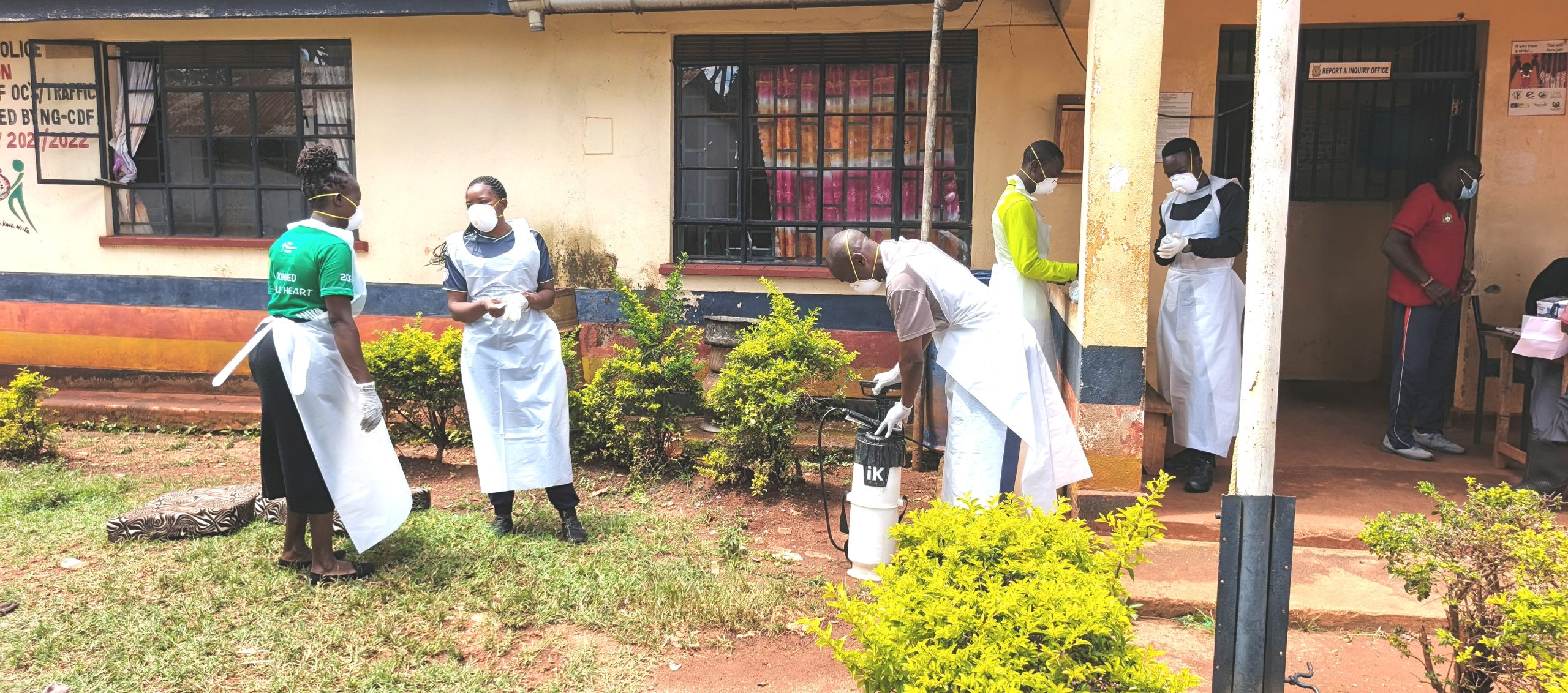
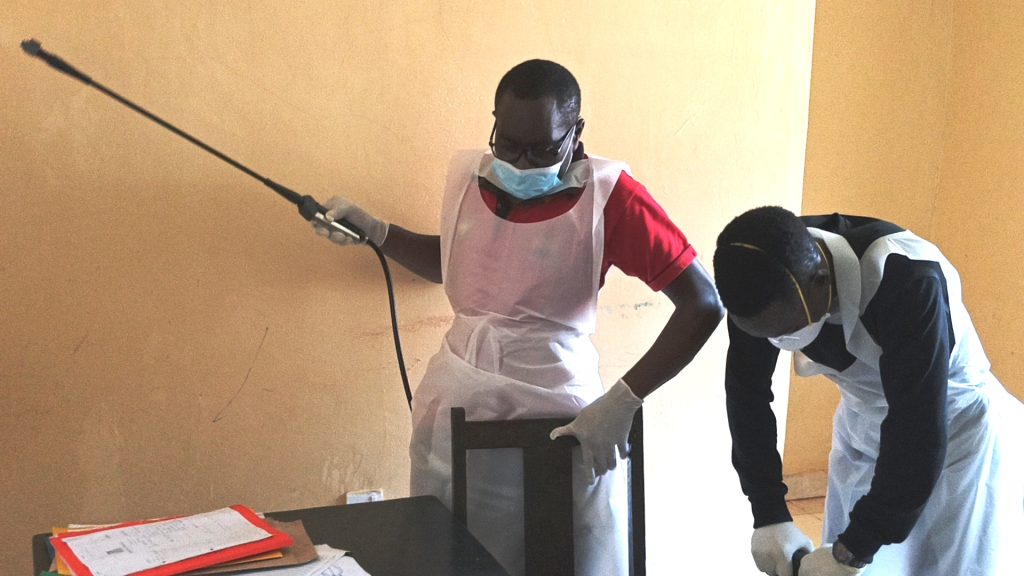
In response, the Khwisero Department of Public Health has launched a strategic, county-wide fumigation initiative. The exercise is targeting not just homes, but also public offices, police stations, and marketplaces. At the Khwisero Police Station, Sub-County Public Health Officer Kevin Lumwaji oversaw the fumigation of offices, cells, and staff quarters. “We are using safer, non-toxic solutions,” he explained, “to eradicate these pests and ensure a conducive environment for our clients and officers.”
However, residents like Jackson Wang’anya argue that cleanliness alone isn’t the answer. After a meticulous clean-up, he was dismayed to find the bedbugs return. “This is a losing battle,” he says, calling for the government to equip Community Health Providers with better pesticides to target the pests at every life stage.
The initiative is a multi-pronged attack on pests. Alongside the bedbug blitz, the department is also running a parallel campaign against jiggers and has launched a deworming drive for over 22,000 students in local schools.
Deputy Public Health Officer Dr. Peter Kulecho urges residents to maintain high standards of hygiene and to seal cracks in mud-walled homes—potential hiding spots for both jiggers and bedbugs. For those still suffering in silence, his message is clear: “Come out for assistance.”
For Rose Wabuti, the help arrived just in time. With her home now fumigated, she is finally able to enjoy a peaceful, bite-free night’s sleep in her own bed.