
By BOB WASWANI
March 17, 2026| The tragic deaths of 16 people along the Webuye-Kitale road have sparked a powerful push for legal reform, with National Assembly Speaker Moses Wetang’ula now demanding a drastic overhaul of the Traffic Act to spare Kenyan families from unbearable loss.
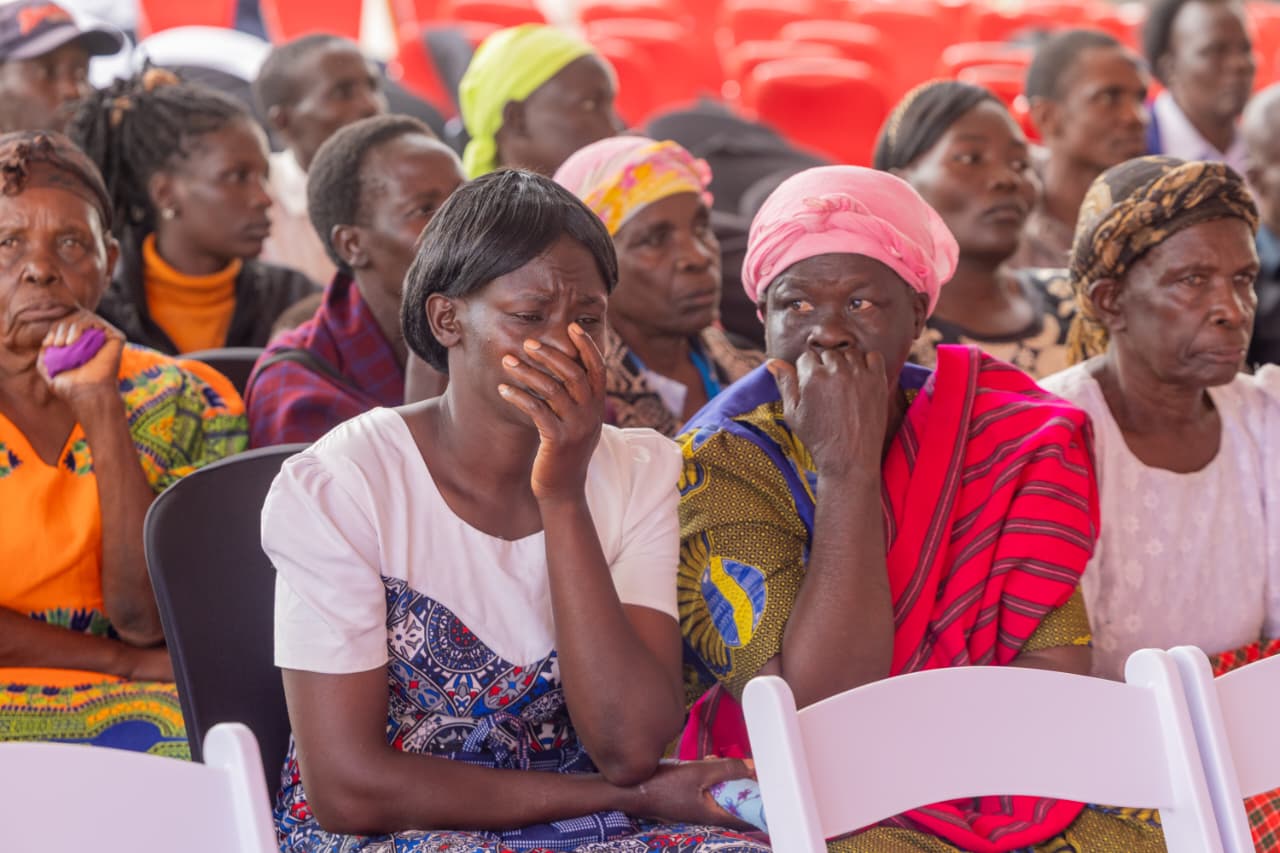
Speaking during an emotional interdenominational funeral service held at Masinde Muliro University’s Webuye Campus, a visibly moved Wetang’ula called on Members of Parliament to amend the law and introduce far stiffer penalties for reckless driving—especially targeting drivers who flee accident scenes leaving behind trails of death and devastation.
“Every life lost on our roads is a painful reminder that we must act decisively to protect Kenyans and spare families the heartbreak we witnessed today,” Wetang’ula said, his voice heavy with emotion as mourners wept openly around him.
The Speaker revealed that he had already held discussions with Majority Leader Kimani Ichung’wah and appealed to him to fast-track the proposed amendments. He urged Parliament to move with speed, arguing that the current penalties are too lenient to deter reckless drivers who treat the roads like death traps.
What broke his heart most, he disclosed, was learning that among the survivors of the grisly crash were three pregnant women—one of whom lost her unborn child, while her husband later succumbed to injuries in hospital.
“No family should be condemned to this kind of loss simply because someone decided to drive with utter disregard for human life,” he added.
The Malaha accident, which occurred along the busy Webuye-Kitale highway, has reignited national outrage over the rising tide of road fatalities. The funeral service brought together hundreds of mourners, leaders from across the political divide, and families still struggling to come to terms with the sudden, violent loss of their loved ones.
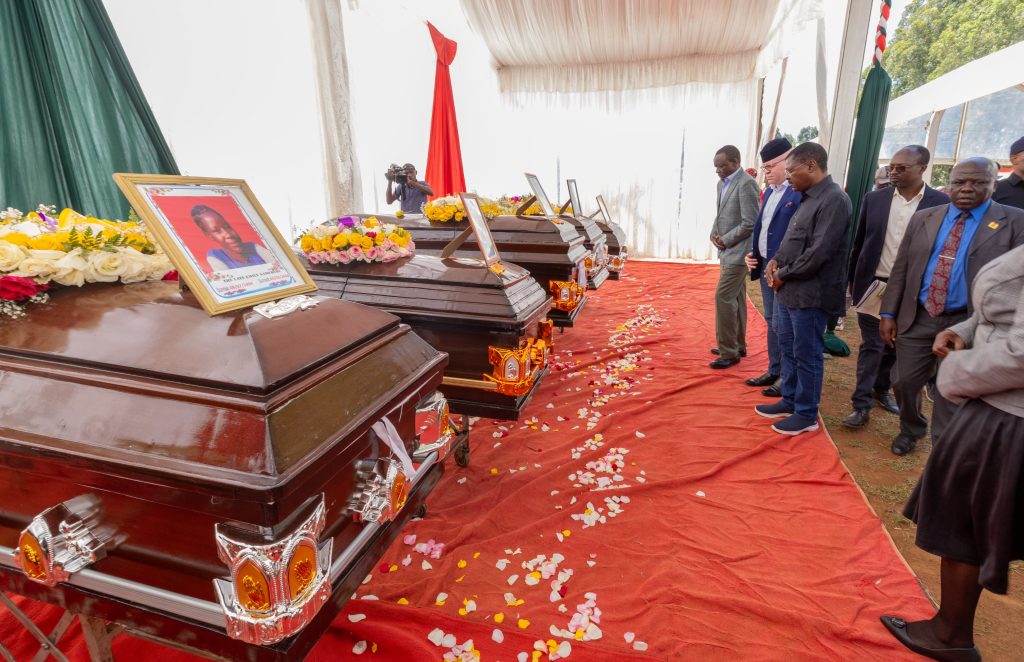
But beyond grief, leaders who spoke at the service also turned their attention to the critical gaps in emergency response.
Senate Chief Whip David Wakoli led calls for the urgent upgrading and equipping of Webuye Sub-County Hospital, noting that its strategic location along the Eldoret-Malaba highway makes it the first line of defense for accident victims in the region.
“We cannot keep losing lives because our facilities lack basic equipment,” Wakoli said, urging Bungoma County Assembly members to allocate adequate resources for the Level 4 facility and rigorously oversee their utilization.
Bungoma Senator Moses Wetang’ula—who doubles as Speaker—echoed the sentiment, stressing that time lost while transferring patients to Eldoret often means the difference between life and death.
Bungoma Governor Kenneth Lusaka assured mourners that the county government had finalized plans to install a CT scan at the facility, a move that will cushion residents from the costly and often urgent trek to Eldoret for specialized imaging services. He also praised the tireless efforts of medical staff who worked around the clock to save lives in the aftermath of the crash.
As the mourners laid their loved ones to rest, one question lingered in the air: how many more families must bury their dead before the law catches up with reckless drivers?
For the 16 families of Malaha, the answer came too late. But for Speaker Wetang’ula and the leaders gathered at Webuye, the resolve was clear—this tragedy must not be just another statistic.
“Let this be the moment we decide that enough is enough,” Wetang’ula said. “We owe it to the dead, and to the living who must carry on without them.”