
By ANDANJE WAKHUNGU
May 16, 2026| In response to rising global humanitarian challenges, CARE has launched an initiative to deliver standardized emergency packages for crisis-affected families.
Marking nearly 80 years since the organization’s first post-World War II package delivery in 1946, CARE has introduced a new generation of emergency kits. The initiative targets the distribution of 250,000 emergency bags, reaching over 1 million people by 2030.
According to a press statement released on May 11, 2026, in Atlanta, Georgia, CARE has developed pre-packed emergency kits designed to support a family of four to six people for one month.
Walter Mwasaa, Regional Director for CARE East and Southern Africa, stated that humanitarian needs are increasing in scale and complexity across the region, with existing systems often overwhelmed.
“Lack of food, limited access to hygiene supplies, and insufficient information on protecting health and safety have become common issues affecting many families,” Mwasaa said. He noted that packaging essential food, hygiene items, and vital information together provides life-saving support during the first weeks of a crisis.
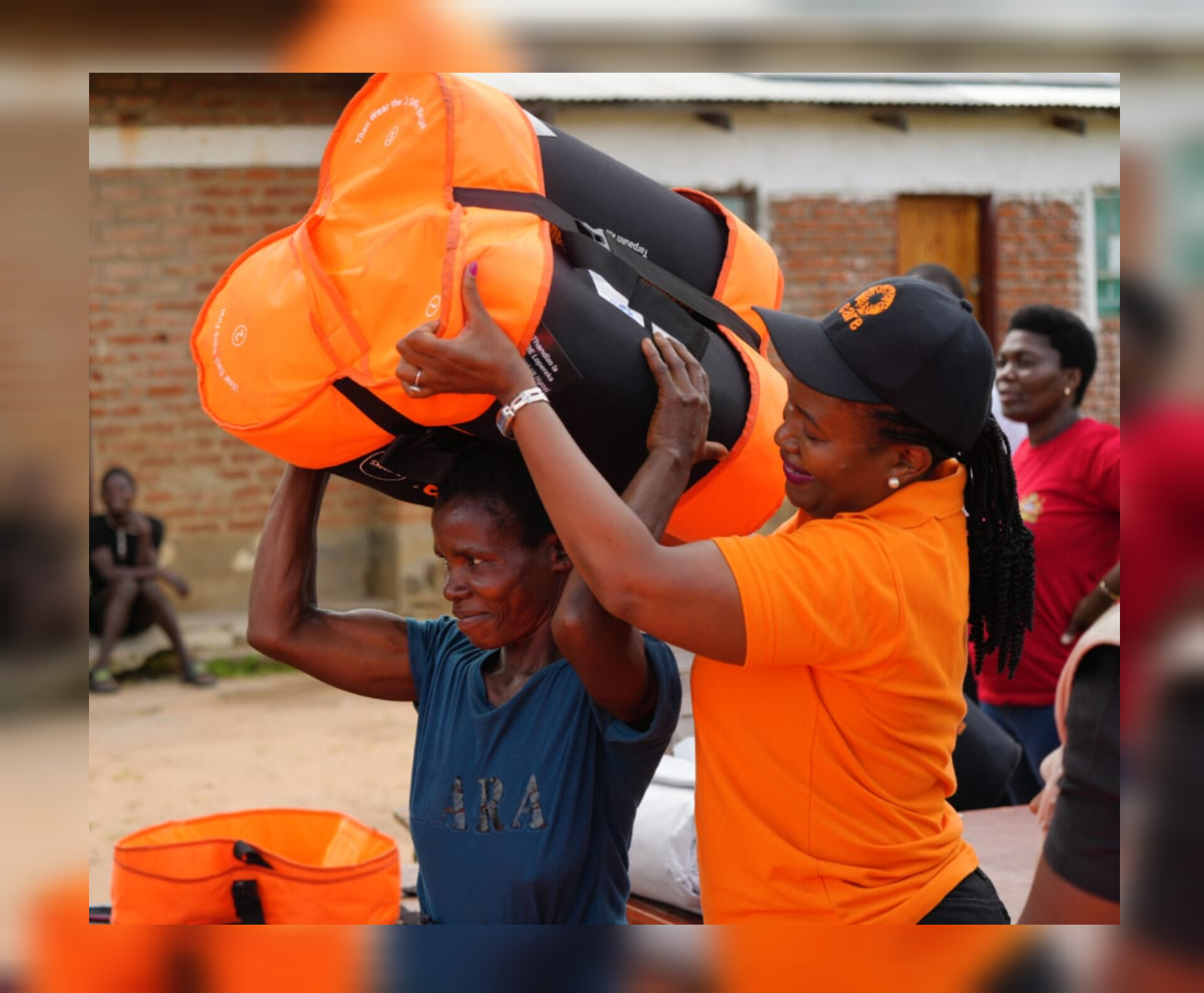
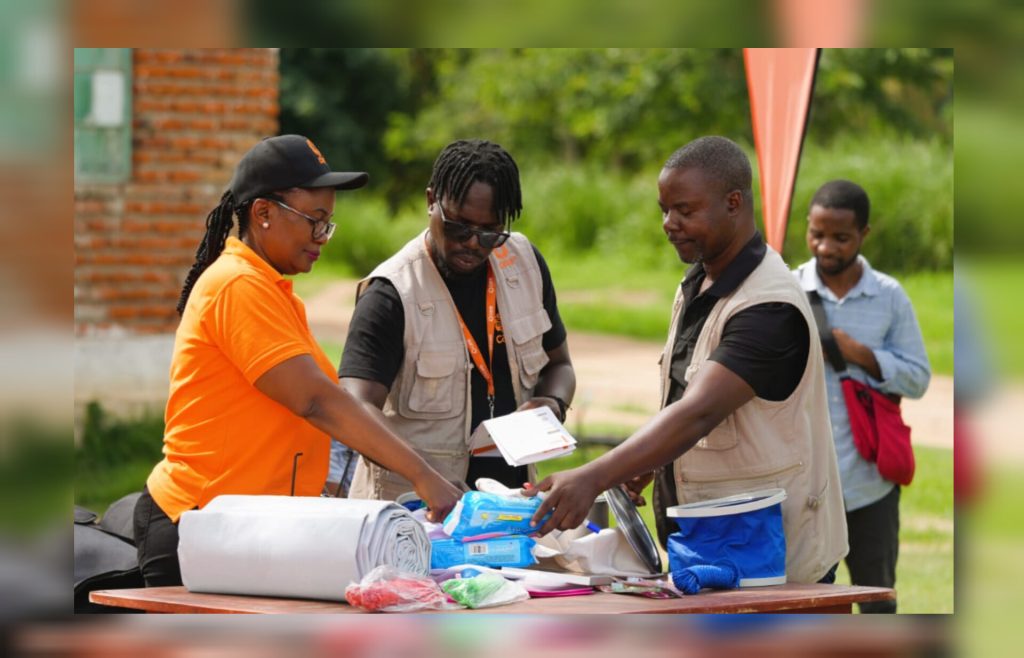
As humanitarian needs escalate, CARE reports it is replacing earlier models with a modern, scalable emergency response tool. Mwasaa described the new CARE PACKAGE® for emergencies as a lightweight, portable, and customizable kit. Each unit consists of three durable, waterproof packs containing nearly 40 essential items, including shelter supplies, water, cooking equipment, hygiene products, and basic household goods—sufficient for a family of four for up to one month in the immediate aftermath of a crisis.
Background
On May 11, 1946, the first 15,000 CARE packages arrived in Le Havre, France, supplying food and materials to families rebuilding after World War II. The CARE package was CARE’s first initiative and later became a symbol of humanitarian aid, with the organization expanding to over 120 countries.
Next-Generation Package
According to CARE, the new package addresses a gap in the first phase of disaster response, when families face high risks before aid systems are fully mobilized. The design was informed in part by the stacked modular containers used by India’s dabbawalas. The kit is engineered for compactness, portability, and last-mile delivery, and can be carried by one person. The three-bag system distributes weight around the waist, leaving hands free—allowing the recipient, often a woman, to carry a child as well.
CARE states that kits can be delivered to affected communities within 36 to 72 hours of a disaster. While based on a common global design, packages are adapted to local contexts, including core items (tarpaulins, solar lights, cooking equipment, water containers, hygiene supplies) and region-specific additions (cookware, personal care items, mosquito nets, water-treatment products, insect repellent, or blankets) depending on climate and culture.
The CARE PACKAGE® has been piloted in multiple countries, including the Philippines, Bangladesh, Nepal, Mozambique, and Malawi, following typhoons, floods, earthquakes, and other emergencies. According to CARE, more than 1,200 kits have reached nearly 6,000 people, with affected families reporting improved access to safe shelter, clean water, and basic household functionality, as well as increased dignity and stability during crises.
Mona Sherpa, CARE Country Director in Nepal—where the package was first piloted and tested—said that package contents vary by disaster type. “Designed with direct input from communities, it is flexible, practical, and deeply human. Inside, families find not just shelter, cooking supplies, hygiene items, solar lighting, and other items, but the tools to regain a sense of stability and humanity.”
CARE aims to deliver at least 250,000 emergency packages by 2030, reaching one million people globally. Priority areas for initial scaled deployment include disaster-prone parts of Southeast Asia, Sub-Saharan Africa, and the Caribbean, where rapid-onset crises and displacement continue to drive urgent humanitarian need.