
By SHABAN MAKOKHA
May 22, 2026| Kenya’s long-held vision of integrating nuclear energy into its national grid is steadily becoming a reality—heralding a future defined by sustainable growth, scientific advancement, and energy security.
The country has taken bold steps toward establishing a nuclear-powered future, following a week of intensive, high-level diplomatic engagements at the Nuclear Energy Policy and Infrastructure Support Alliance (NEISA) summit in Rwanda. These efforts have advanced negotiations, planning, and capacity-building initiatives.
NEISA is a premier forum dedicated to transforming Africa’s nuclear energy ambitions into investable, bankable realities by sharing infrastructure support, addressing financing barriers, and developing risk-sharing frameworks.
The summit serves as an essential platform for solving Africa’s energy challenges, with a focus on scalable nuclear solutions—predominantly Small Modular Reactors (SMRs).
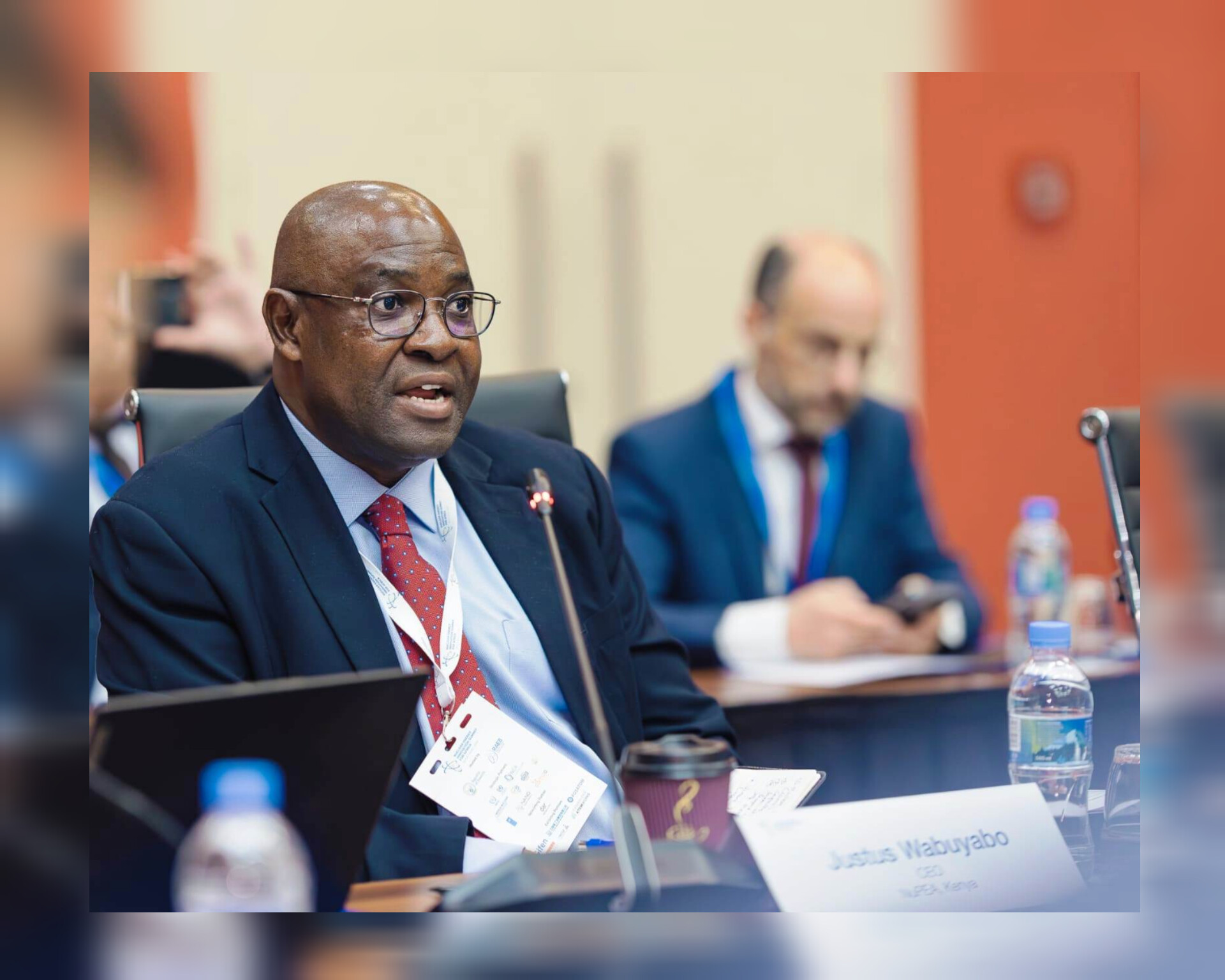
Kenya’s delegation, led by Nuclear Power and Energy Agency (NuPEA) Chief Executive Officer Justus Wabuyabo (pictured), positioned Nairobi at the heart of global nuclear cooperation, securing strategic commitments from major world powers while strengthening regional alliances.
A key highlight of Kenya’s diplomatic mission was the Ministerial Compact Roundtable on Nuclear Cooperation, convened and coordinated by Wabuyabo. During the session, Kenya emerged as a leading African voice championing an accelerated transition to clean, reliable, and modern energy systems.
The Kenyan delegation held pivotal bilateral talks with senior U.S. officials, including Renee Pan Sonderman, Acting Principal Deputy Assistant Secretary at the U.S. Bureau of Arms Control and Non-Proliferation, and Seth J. Maddox, the U.S. Civil Nuclear Cooperation Team Lead. Central to these discussions was the ongoing negotiation of the landmark “123 Agreement”—a legally mandated framework that allows the United States to share peaceful nuclear materials, equipment, and technology with partner countries. Both sides noted substantial progress and reaffirmed that concluding the agreement would lay the foundation for deep, long-term technical collaboration, commercial investments, and advanced nuclear research partnerships.
Wabuyabo described the discussions as “constructive, forward-looking, and essential to Kenya’s nuclear roadmap,” adding that the agreement represents a “gateway to world-class expertise and technology.”
In another significant diplomatic breakthrough, the Kenyan team held high-level talks with a Chinese delegation led by Liu Jing, Vice Chairman of the China Atomic Energy Authority (CAEA). China reaffirmed its strong commitment to expanding bilateral relations with Kenya through infrastructure development and technical capacity-building. Most notably, Jing confirmed China’s keen interest in supporting the construction of Kenya’s first-ever nuclear power plant—a 2,000-megawatt facility planned for Siaya County. This flagship project is expected to become one of East Africa’s most transformative energy installations, marking Kenya’s entry into the global league of nuclear-capable nations.
China also pledged to sponsor intensive training for Kenyan scholars, engineers, and technicians, enabling the country to develop a highly skilled, locally grown workforce to support its long-term nuclear ambitions. The training programs will cover nuclear engineering, radiation safety, reactor operations, and advanced energy research.
Beyond global partnerships, Kenya sharpened its regional collaboration with African nuclear leaders. Wabuyabo held talks with the Group CEO of the South African Nuclear Energy Corporation (Necsa), focusing on nuclear supply chains tailored to the continent, shared research reactor capabilities, and regulatory alignments to help African states accelerate the peaceful use of nuclear technology. South Africa, the only African country currently operating a commercial nuclear power plant, remains a critical partner as Kenya builds a robust, safe, and competitive nuclear ecosystem.
Kenya’s diplomatic efforts now shift to regional cooperation within the East African Community. On May 23, 2026, Wabuyabo is scheduled to meet the leadership of the Rwanda Atomic Energy Board (RAEB) in Kigali. The meeting aims to establish a formal cooperation framework between Kenya and Rwanda—two nations advancing inaugural nuclear power programs simultaneously. The partnership will focus on pooling resources, building harmonized regulatory systems, sharing capacity-building programs, and coordinating strategies for grid integration and safety oversight. Officials say such collaboration will not only reduce operational costs but also create an East African nucleus of nuclear excellence.
The NEISA summit marked one of Kenya’s most successful diplomatic pushes in the nuclear sector to date. With firm commitments from global powers and growing cooperation within Africa, Kenya is rapidly shaping itself into a continental hub for nuclear innovation.
Wabuyabo emphasized that nuclear energy is not just a technological ambition but a “strategic necessity” for Kenya’s future—enabling stable baseload power, enhancing industrial competitiveness, and supporting national climate goals.