
By SHABAN MAKOKHA
July 31, 2026|For months, they have been sharpening the most powerful weapon known to man: the human mind.
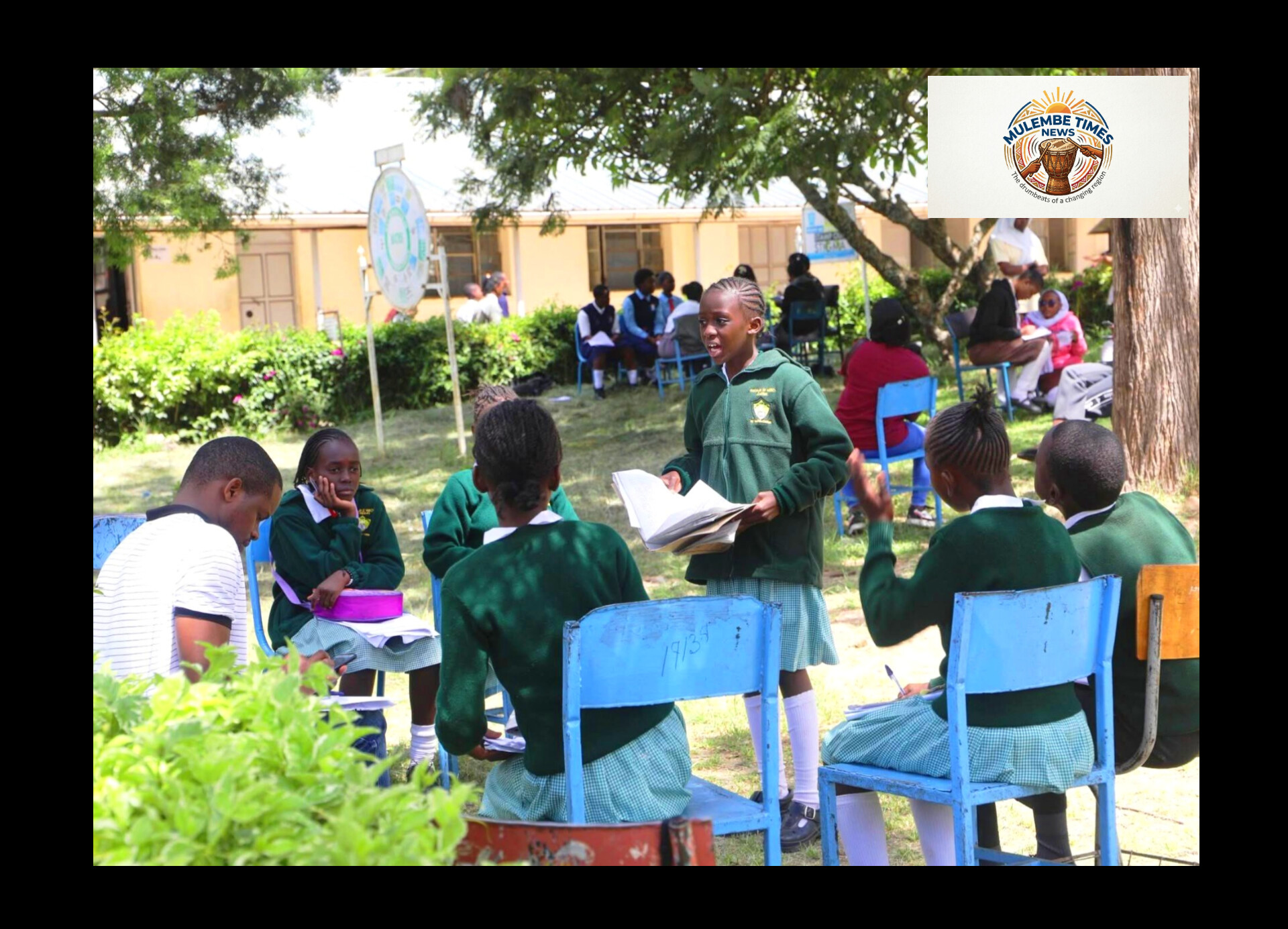
In classrooms from the dusty outposts of Turkana to the bustling high schools of Nairobi, a quiet revolution has been brewing. It hasn’t been fought with machetes or stones, but with logic, evidence, and an unyielding belief in the power of dialogue.
As Kenya prepares to send a delegation of 350 student orators to the 2026 East Africa Amani Club Peace Debate Championship in Arusha, these young intellectuals are proving that the future of the region will be written not in blood, but in persuasive prose.
The road to Tanzania has been a gauntlet of intellect. Beginning with county-level qualifiers in February, thousands of learners engaged in intellectual warfare—dissecting issues of governance, climate justice, and social cohesion. By the time the national championships concluded in Machakos in April, the field had been narrowed to just 45 senior schools. Now, the elite survivors are preparing to cross the border, carrying not just trophies, but a mission to build bridges across a fractured region.
Kennedy Kunani, the National Chairperson of the Amani Clubs, views this cohort as the vanguard of a new East Africa. “This championship is a premier platform for fostering critical thinking and peaceful resolution mechanisms,” Kunani stated, as final preparations kicked off at Noonkopir Girls High School in Kitengela.
The Kenyan contingent will converge at the Kajiado County institution on August 8 before making the final journey to Arusha the following day. “We are cultivating leaders who can resolve conflicts through reasoned engagement,” Kunani added. “They are learning that empathy and the ability to appreciate diverse opinions are qualities our societies desperately need.”
The Underdogs’ Roar
While academic giants like Maseno School and Kisumu Girls High School are perennial favorites, this year’s delegation is defined by a stunning upset.
In a narrative that has electrified the Western region, two previously unheralded schools—Muluanda Senior School (Khwisero) and Namulungu Senior School (Matungu)—have crashed the national party. For these institutions, qualification is not just a victory; it is a seismic shift. Their success dismantles the myth that debate excellence is the sole preserve of elite national schools, proving that raw talent and determination can flourish even in the most rural settings.
They will be joined by a diverse tapestry of Kenyan youth: Tartar Girls and St. Elizabeth Murpus from West Pokot, Ribe Boys and Barani from Kilifi, Buruburu Girls from Nairobi, and Chakol Girls from Busia. Together, they represent the full spectrum of Kenya’s ethnic and geographic diversity, united under one flag.
The Slumdog Dreamers
Perhaps the most poignant story in the delegation is that of the Mathare Community Outreach Debate and Amani Club. Emerging from the sprawling informal settlements of Nairobi, this team stunned the establishment by winning the Nairobi Metropolitan Championship and finishing second nationally.
For these students, debate is a lifeline—a pathway out of the cycle of poverty and violence that often defines their environment. “We want to show that your background does not dictate your destiny,” a team member shared, their voices echoing the hopes of thousands of other marginalized youths.
More Than a Game
As the buses rumble toward the border on August 8, the stakes in Arusha will transcend mere rhetoric. The theme of this year’s championship—”Building Bridges Through Dialogue and Understanding”—carries immense weight in a region often rattled by political and ethnic schisms.
Kunani insists that the real victory will be measured long after the final gavel falls. “It is about encouraging learners to challenge ideas without attacking people,” he said. “To disagree respectfully. To search for solutions that unite rather than divide.”
These young diplomats travel with more than just notecards and rehearsed rebuttals. They carry the aspirations of a nation that is tired of conflict. They carry the dreams of teachers and parents who believe in the pen over the sword.
When the debates commence in Arusha, Kenya’s brightest will not simply be competing for medals. They will be proving that the strongest voice is not the loudest, but the one rooted in understanding. They will demonstrate that the bridges East Africa needs tomorrow are being built today, one compelling argument at a time.