By Bob Waswani
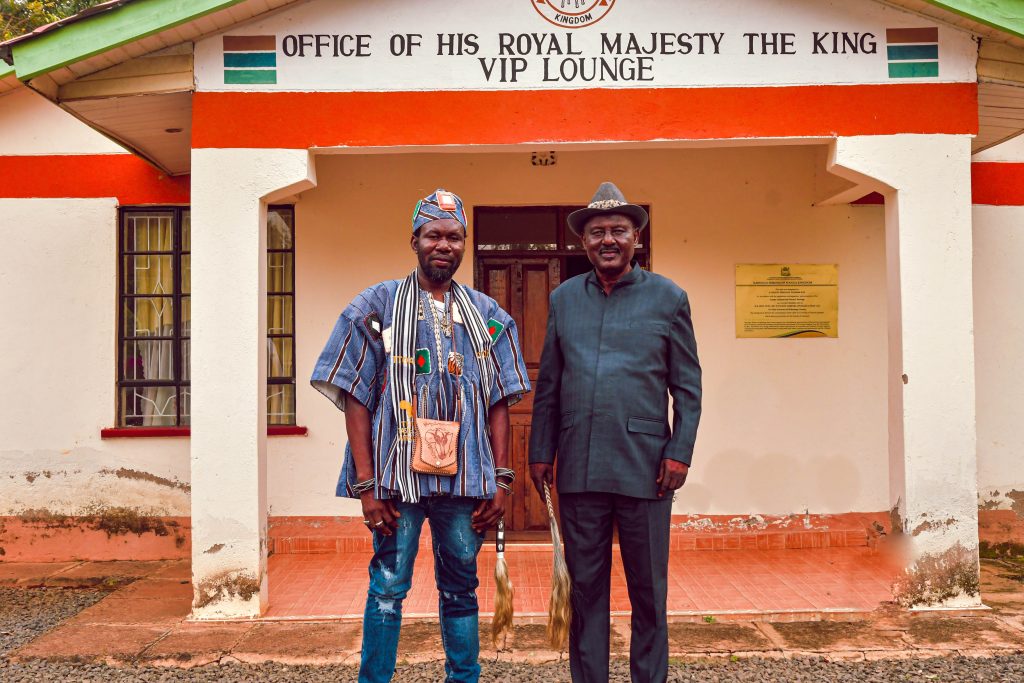
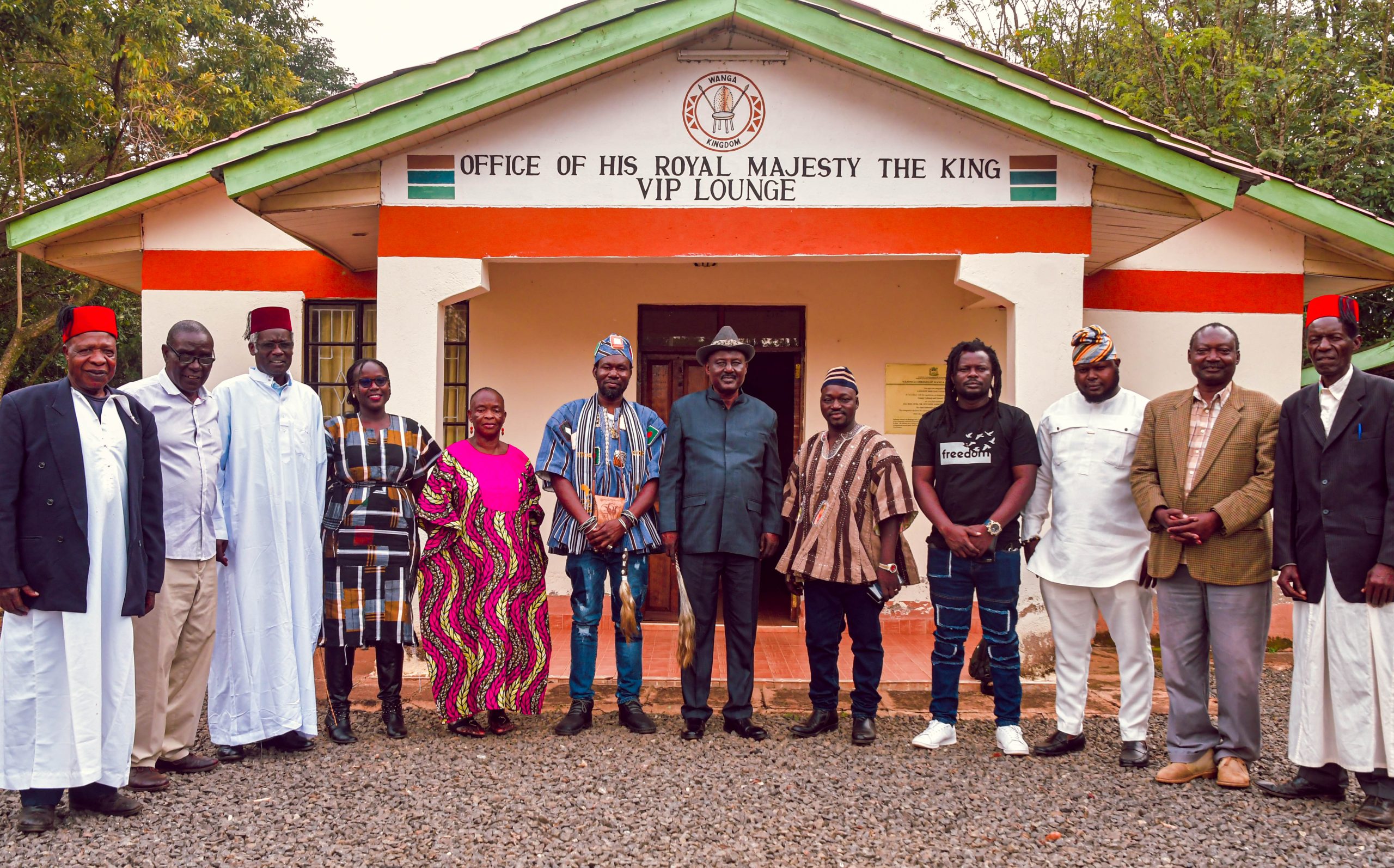
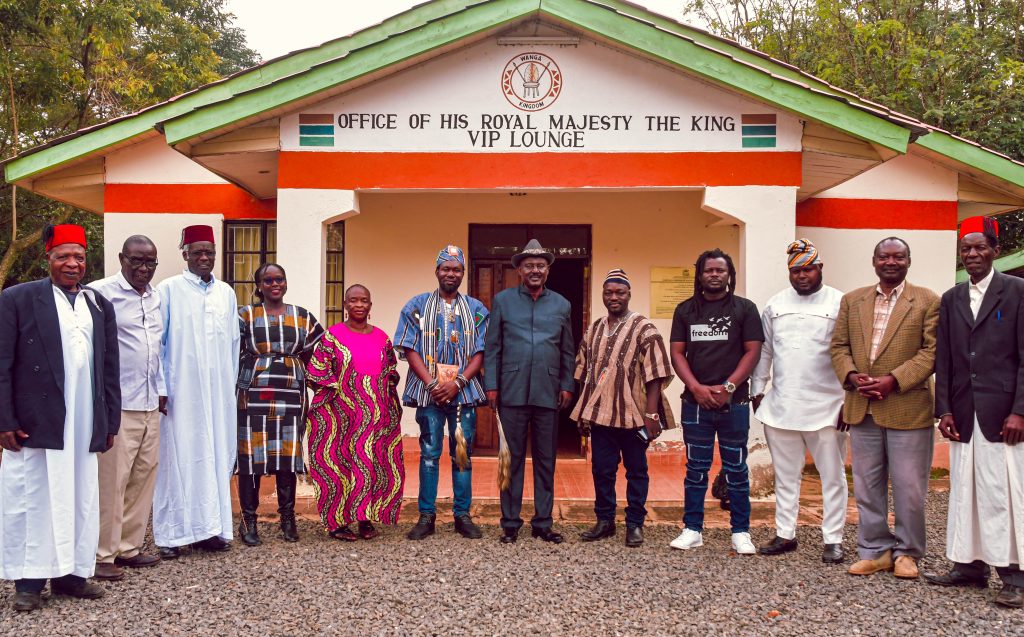
October, 4, 2025/ His Majesty Nabongo Peter Mumia II, custodian of the Wanga Kingdom, recently hosted Ghana’s Visionary Entrepreneur, Cultural Unifier & Architect of Africa’s Creative Renaissance, Tengol Kplemani and his delegation in a historic visit aimed at strengthening cultural ties between African monarchies.
Welcomed at the Nabongo Cultural Centre warmly, the African spirit lingered in the air as they toured the museum and shrines while reiterating the importance of cultural preservation. It was impressive to note that the kingdom is undertaking a noble initiative of digitizing all the historical and cultural information that will serve generations to come.
Speaking during the visit, Kplemani said the journey was part of a wider cultural diplomacy initiative linking African kingdoms.
“We want to understand the true history of the Wanga Kingdom, spotlighting what binds us as African people,” he said. “When we do not know each other, we think we are separate, when in fact our roots are shared.”
The Ghanaian delegation currently in Kenya courtesy of the Africa Tourism Board noted the similarities between Wanga and West African practices, signs of connected traditions across Africa. These include but are not limited to; use of calabashes for eating, homestead layout and structures, and traditional customs.
Tengol mentioned the importance of respecting African ancestors and empowering kingdoms to play an active role in continental unity.
“It is time we honor our ancestors. They were custodians of our culture. We are here to work together with His Majesty and the people of Wanga Kingdom to ensure they are respected. We want to establish sister kingdoms, including a Wanga cultural space in northern Ghana.” he said.
He also encouraged inter-marriages between kingdoms to strengthen trust and peace among African communities. Strategic partnerships and programs on youth and women empowerment will steer sustainable conversations on the future of the kingdom to levels that cannot be easily interfered with or eroded.
In his response, His Majesty Nabongo Mumia II appreciated the resilience of traditional institutions through different reigns.
“The Whiteman thought he would finish the kingdoms, but centuries later we are still here,” His Majesty said. “Our traditional structures were strong. We never suffered hunger like we see today in modern states. Not a single acre of Wanga land was lost.”
His Majesty also spoke about the painful history of the slave trade, noting that some members of the Wanga Kingdom were lured to Mombasa under false pretence before being shipped overseas.
“Missing your roots hurts so hard. Cultural exchange is important so our brothers in the diaspora can reconnect,” His Majesty said.
He cautioned against “briefcase kingdoms” that undermine authentic leadership, insisting that genuine monarchies should drive the cultural revival.
The Enduring Wanga Kingdom
The Wanga Kingdom remains the most organised traditional monarchy in Kenya. Founded by Nabongo Wanga in 1512, it grew under rulers such as Nabongo Netya, Nabongo Osundwa, and Nabongo Shiundu. Its most powerful era came under Nabongo Mumia in the late 1800s, when the kingdom’s authority stretched from Naivasha into Uganda.
Though stripped of political power under colonialism, the throne has stood the test of time. His Majesty Nabongo Peter Mumia II continues to preside over cultural events, heritage preservation, and mediation, and is often sought after by local leaders mostly for political endorsements.
What is the future like?
The visit by Kplemani comes ahead of the Cultural Oneness Festival 2025, that is an annual event from 6th- 14th December, 2025 in Northern Ghana. The festival showcases Africa’s diversity and create platforms for unity across kingdoms and the diaspora.
For the Wanga people, the visit was an official invite to the King and Queen and affirmed the commitment to not only promote but also sustain cultural diplomacy efforts and historical preservation initiatives.
As His Majesty noted, African kingdoms are not relics of the past but living institutions with a role to play in shaping the continent’s future.