
By MULEMBE TIMES NEWSDESK
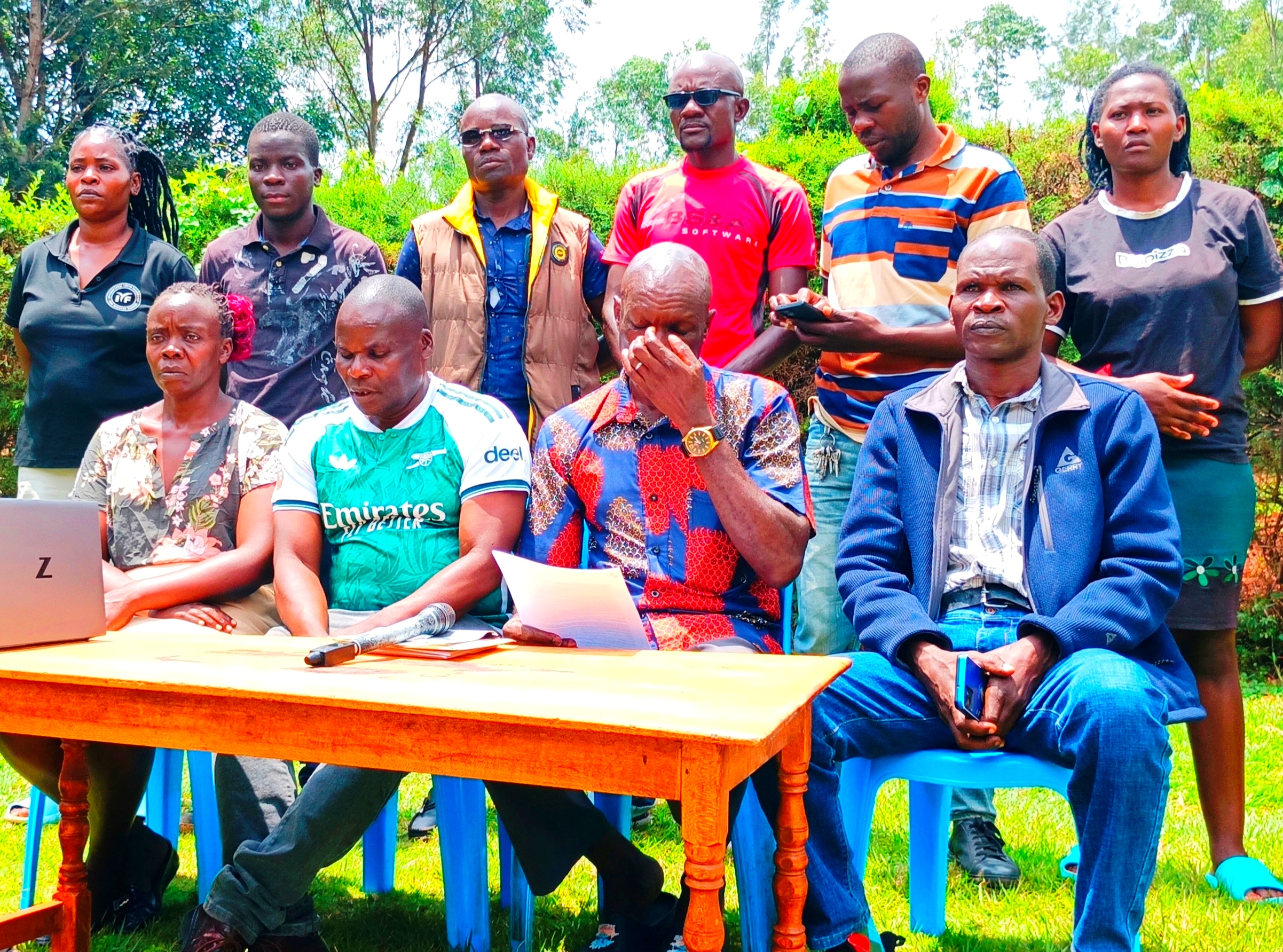
September 18, 2026| A political storm is gathering over Mumias West, with allies of parliamentary aspirant Brian Omondi sounding the alarm over ethnic rhetoric threatening to tear apart a constituency where communities have lived, worked and grown together for generations.
The group is demanding an apology from area MP Johnson Naicca over remarks they attribute to him concerning Omondi’s ethnic background and alleged links to the Luo people in Siaya.
“On behalf of the people of Mumias West we strongly condemn remarks by Mr Naicca questioning the belonging of Brian Omondi on the basis that he is a Luo and definetly belongs to Siaya County,” said Mr Richard Nelima from Musanda ward. Such remarks are unfortunate, devisive and unacceptable.”
They say the remarks, which they claim were published on the MP’s social media platform, risk transforming an ordinary political contest into a bitter battle over identity.
And they are warning politicians: do not turn neighbours into enemies.
According to the group, residents of the constituency have for years crossed ethnic boundaries in their daily lives — sharing markets, businesses, schools, places of worship, celebrations and family ties.
They argue that introducing ethnicity into the 2027 parliamentary contest could undermine those relationships and create divisions that would be difficult to repair.
“We have been living together and co-relating well. In fact, it is the Luo votes that have propelled Naicca’s victory in the last three elections,” observed another resident, Daniel Omondi from Bungasi.
Omondi explained that Brian Omondi belongs to the Abamudiru clan of the Luhya community whose mother is from Abamurono clan.
These remarks capture the anger among Brian Omondi’s allies, who say the community should not be forced to choose between political allegiance and ethnic identity.
They insist that every voter should be free to support a candidate because of his or her policies, record, leadership agenda and ability to represent the constituency — not because of ethnicity.
The allies, drawn from the four wards of Mumias Central, Mumias North, Etenje and Musanda in Mumias West, said the constituency’s strength has always been its ability to accommodate people from different backgrounds.
They warned that politicians who exploit ethnic identities for electoral advantage could leave behind wounds that will remain long after the 2027 elections are over.
“After elections, we shall still be neighbours. Our children will still attend the same schools. We shall still trade together, attend weddings together and bury our loved ones together,” said Sheban Okumu from Mumias Central ward. “That is why nobody should use politics to make us hate one another.”
The group said the focus of the 2027 campaign should instead be on issues affecting ordinary residents.
They cited unemployment among young people, education, healthcare, roads, agriculture, business opportunities and household economic pressures as issues deserving serious political debate.
“Let politicians tell us what they will do for Mumias West. Let them explain their plans. Let them show us their record. But they should leave ethnicity out of this contest,” Okumu insisted.
The allies have challenged Naicca to withdraw the statement they attribute to him and apologise to residents.
They said the demand was not intended to silence political competition but to prevent rhetoric that could deepen divisions.
They argued that political disagreements are inevitable in a democracy, but ethnic attacks should have no place in an electoral contest.
“We are asking the MP to withdraw the statement and apologise to the people of Mumias West,” said Olivier Ambutsi from Musanda.
Their warning comes as political activity intensifies ahead of the 2027 General Election, with aspirants positioning themselves to challenge for the parliamentary seat.
The developing contest is already attracting attention across the constituency, with competing camps building support in the four wards.
But Omondi’s allies say the battle for votes must not become a battle between communities.
Hassan Misiko from Mumias North Ward said the group would not remain silent if what they described as repeated inflammatory statements continued.
“If he will not apologise over his repeated statements, then we shall ensure that he goes home in 2027,” he said.
The declaration signals that the controversy could become an important issue in the emerging parliamentary contest.
But even as the political temperature rises, the group insists its central message is one of peace. They want Luo and Luhya residents to remain united and reject attempts to portray either community as an outsider.
For decades, families from the two communities have lived side by side in Mumias, forming friendships, business partnerships and family connections.
That shared history, the allies argue, is too valuable to be sacrificed at the altar of political competition.
The unfolding dispute has therefore raised a question extending beyond the 2027 race: Can Mumias West compete fiercely for political power without allowing ethnicity to become the dividing line? Omondi’s allies believe the answer lies with the voters.
They want residents to demand issue-based campaigns and hold every aspirant accountable for the promises they make.
They also want political leaders to remember that a constituency is more than voting blocs and campaign rallies.
And generations of people whose lives remain intertwined regardless of who occupies the parliamentary seat.
“Let them compete for votes. Let them debate. Let them convince the people. But let nobody divide us,” said Misiko.
As the 2027 political contest gathers momentum, that plea could become one of the defining battles in Mumias West — not merely over who wins the seat, but over whether political competition can remain a contest for leadership without becoming a contest between communities.