
By SHABAN MAKOKHA
May 30, 2026| Kakamega County has launched an ambitious malaria control initiative that could shape the future of malaria prevention in Kenya, beginning with the training of spray operators ahead of a landmark public health study.
The intervention, targeting 69 villages across Matungu, Mumias West, Mumias East and Butere sub-counties, will test two advanced malaria control measures: Indoor Residual Spraying (IRS) and a groundbreaking year-long mosquito repellent known as Guardian.
The initiative forms part of the LASER Study, a major research collaboration spearheaded by KEMRI to determine the most effective way of protecting children from malaria, one of Kenya’s deadliest diseases.
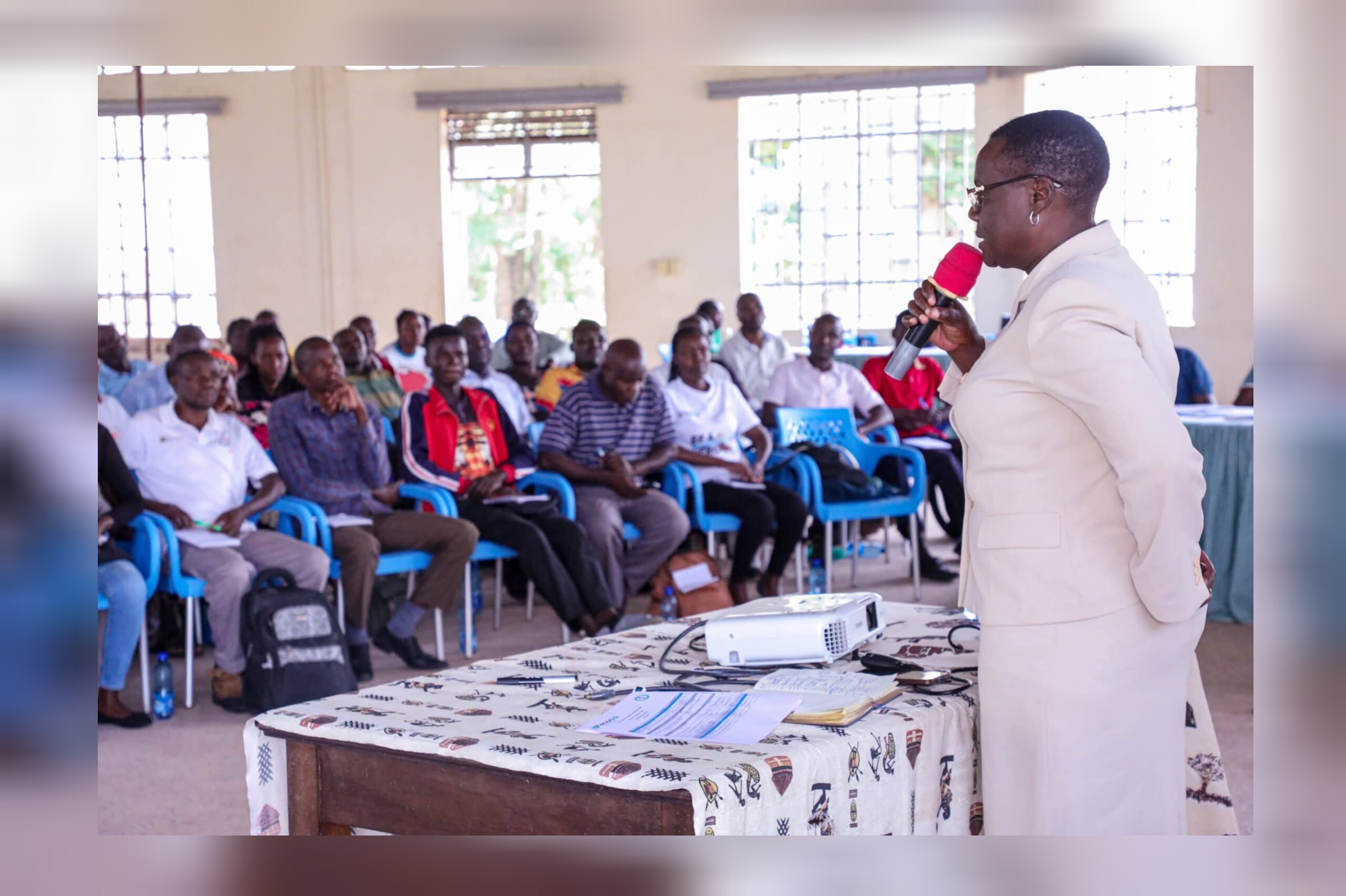
Speaking during the training, Kakamega Chief Officer for Public Health Rose Muhanda urged field teams to uphold professionalism and community trust.
“This work goes beyond science. It is a mission to protect families,” she said. “Respect every home, safeguard every child and remain vigilant. The baseline report is not only important for Kakamega but for Kenya at large.”
The study seeks to assess the effectiveness of the two interventions in reducing malaria prevalence among children aged between one and 15 years. Unlike conventional repellents that require frequent application, the Guardian repellent is designed to offer protection for up to a year, potentially transforming malaria prevention efforts in endemic regions.
Preparations for the study began in December with the mapping of 93 clusters, followed by baseline surveys conducted in February and March. In May, village elders, malaria coordinators and sub-county health teams participated in the randomisation of 69 villages into either the IRS or Guardian intervention groups.
While community interviewers have already begun deploying the repellent product, trained spray operators are preparing for IRS implementation set to begin next week.
The study will cover approximately 20,000 households and incorporates several scientific approaches, including cross-sectional surveys every six months, health facility surveillance in 24 facilities, entomological studies to monitor mosquito populations and social science research to understand community perceptions and experiences.
Researchers say the findings will help inform future malaria control policies and interventions across Kenya.
National IRS Coordinator Ismael Abbey, Kakamega Public Health Director William Olaka, KEMRI Senior Research Scientist Dr Bernard Abongo and Dr Titus Kwambayi were among officials who attended the training, underscoring the significance of the initiative.
With malaria continuing to claim lives, disrupt education and strain household incomes, health officials believe the LASER Study offers renewed hope for communities long burdened by the disease.
For Kakamega, the initiative represents more than a research project—it is a bold attempt to turn the tide against one of the county’s most persistent public health challenges.