
By SHABAN MAKOKHA
September 14, 2026|When darkness settles over Kakamega, families close their doors, switch off their lights and prepare for sleep. But for millions of tiny mosquitoes, the night is only the beginning of their harvest.
Hidden in the darkness, the insects search for warm bodies and exposed skin, turning quiet bedrooms into potential battlegrounds against malaria.
For a mother watching over a feverish child in the middle of the night, malaria is not a statistic. It is the burning forehead under her palm, the restless child crying in the darkness, the hurried journey to a health facility — and the fear that the illness could become something far more serious.
As Kakamega prepares for expected increased rainfall, the county government is moving to strengthen the first line of defence — inside the homes of its people.
The battle against malaria in the county is moving into high gear, with more than 1.2 million mosquito nets set to be distributed to households across 11 sub-counties as health authorities brace for increased rainfall and a possible surge in mosquito breeding. The major prevention campaign aims to protect families before the disease strikes.
The exercise will cover Lugari, Malava, Shinyalu, Ikolomani, Lurambi, Khwisero, Mumias East, Mumias West, Matungu, Navakholo and Butere.
Officials in the county are racing against time to reduce the human cost of malaria by taking prevention to the household level. The county’s strategy is built around prevention, with officials noting that increased rainfall can create more breeding sites for mosquitoes, potentially increasing the risk of transmission.
Chief Officer for Public Health Rose Muhanda said the planned distribution would strengthen preventive healthcare and help reduce the malaria burden across the county.
“The distribution of these mosquito nets will strengthen preventive healthcare and contribute significantly to reducing the burden of malaria in Kakamega County,” she said.
Muhanda said the county was prioritising preventive and promotive healthcare as part of Governor Fernandes Barasa’s agenda to improve the health and wellbeing of residents. The message is clear: the fight against malaria should not begin when a patient arrives at hospital. It should begin at home, long before the fever.
The scale of the planned intervention is enormous. More than 1.2 million mosquito nets must move through the supply chain and eventually find their way into homes across 11 sub-counties. That means warehouses, transporters, health officials, community structures and households must work together to ensure the nets reach the people who need them.
A net sitting in a store cannot protect a child. A net handed to a household but never used cannot stop a mosquito. And a family unaware of the importance of consistent use remains vulnerable. This is why officials are putting emphasis not only on distribution but also on community participation and correct use.
Muhanda said the county was working closely with the Kenya Medical Supplies Authority (KEMSA) and other government agencies to strengthen the last-mile distribution system.
“We are working closely with KEMSA and other government agencies to strengthen coordination and facilitate effective last-mile distribution of the mosquito nets to households in the targeted sub-counties,” she said.
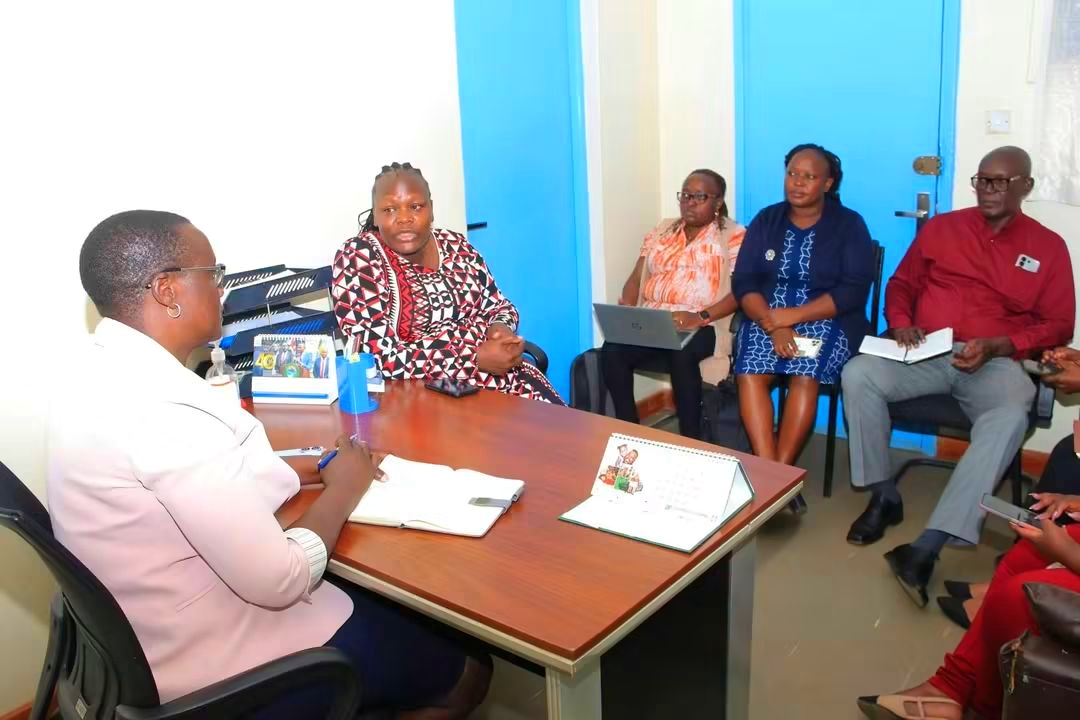
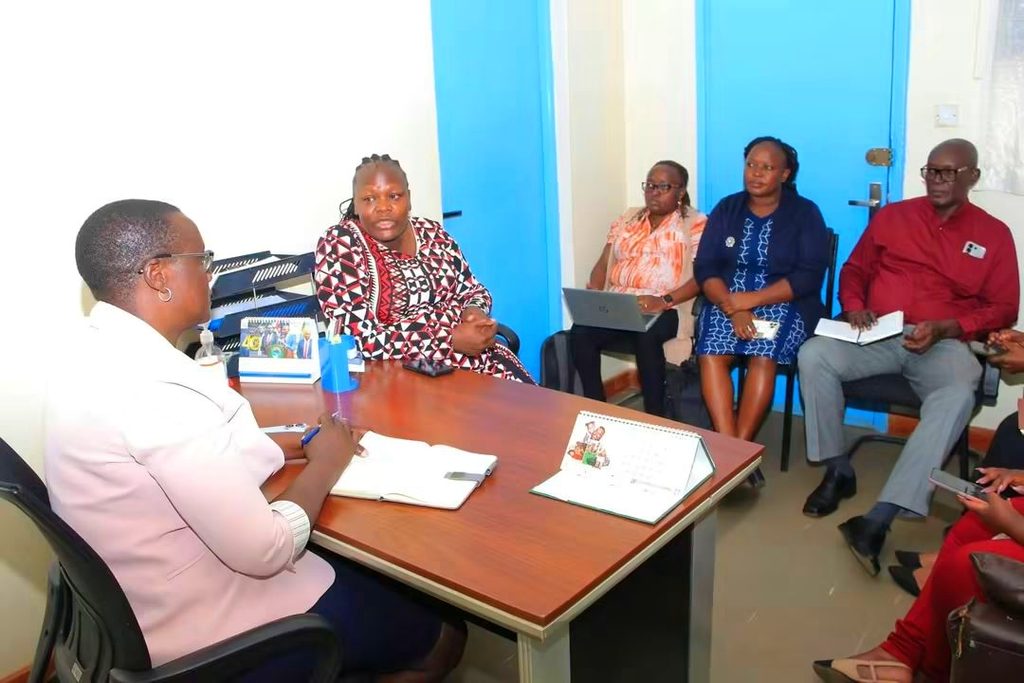
The preparations followed a consultative meeting between county officials and KEMSA to strategise on the planned distribution during the 2026/2027 financial year.
For health officials, every mosquito net represents an opportunity to prevent an infection.
Director of Public Health William Olaka said the campaign would require close coordination between the county, national government agencies and communities.
“The success of this exercise will require effective coordination at all levels and active participation by residents,” he said, urging households to receive the nets and use them consistently and correctly.
His appeal is particularly important because prevention does not end when the net is delivered. The net must become part of the family’s nightly routine — properly hung, used and cared for. It must not be treated as just another government item handed out during a public campaign. For a child sleeping beneath it, it could become a shield against a disease capable of disrupting an entire household.
County Malaria Coordinator Faustine Sakari is urging residents not to lower their guard.
“We are encouraging residents to participate fully in the distribution exercise and use the treated mosquito nets consistently and correctly as one of the key measures of preventing malaria,” she said.
Mosquito nets meant to shield residents from malaria have often ended up in fishing boats, gardens and household chores in parts of Kakamega, raising concerns among health officials. Instead of hanging the treated nets over beds, some families have reportedly used them for purposes ranging from fishing and fencing to covering farm produce — turning a potentially life-saving prevention tool into an everyday household item.
Health workers and community leaders warn that such practices could undermine efforts to reduce malaria infections, particularly during the rainy season when mosquito breeding increases. The misuse has also renewed calls for stronger community education to ensure households understand that mosquito nets are not ordinary pieces of fabric, but specially treated tools designed to protect people while they sleep.
The warning is especially important as communities prepare for the anticipated rains. Health officials want households to understand that malaria prevention is a shared responsibility. Government can supply the nets, health workers can educate communities, but residents must complete the final step by using the protection consistently.
KEMSA Director of Logistics Sister Gloria Kigen, who led the authority’s delegation during consultations with the county, said the agency would support the distribution.
“KEMSA will continue working with Kakamega County and other government agencies to facilitate the distribution and ensure the mosquito nets reach the intended households,” she said.
The partnership is expected to strengthen the supply chain and ensure the nets move from the distribution system to the targeted communities.
The success of the campaign will ultimately be measured not by the number of mosquito nets delivered, but by what happens after they enter people’s homes. Whether families use the nets every night, ensuring that children and pregnant women sleep under them for adequate protection, will determine whether the millions of nets become an effective public-health shield.
Officials are therefore calling for active community participation throughout the exercise.
Malaria rarely announces itself. There is no warning siren when a mosquito lands on exposed skin, and there is no sound when infection begins. The danger can arrive silently — through a single bite in the darkness.
For Kakamega families, the message is simple: when night falls, protection must come first.