
By BOB AMALEMBA
April 14, 2026| A key witness in the Malava Constituency election petition delivered gripping testimony in court, alleging widespread violence, voter intimidation, and bribery—including claims that his own mother was induced with cash and relief items.
The petition challenges the outcome of the November 27, 2025 by-election, in which UDA candidate David Ndakwa was declared winner with 21,564 votes, narrowly defeating DAP-K’s Seth Panyako, who garnered 20,210 votes—a margin of 1,354 votes.
Two petitioners, John Karakacha Opiyo and Nancy Wanakacha, are asking the High Court in Kakamega to nullify the results, citing irregularities, unlawful candidacy, and electoral malpractice.
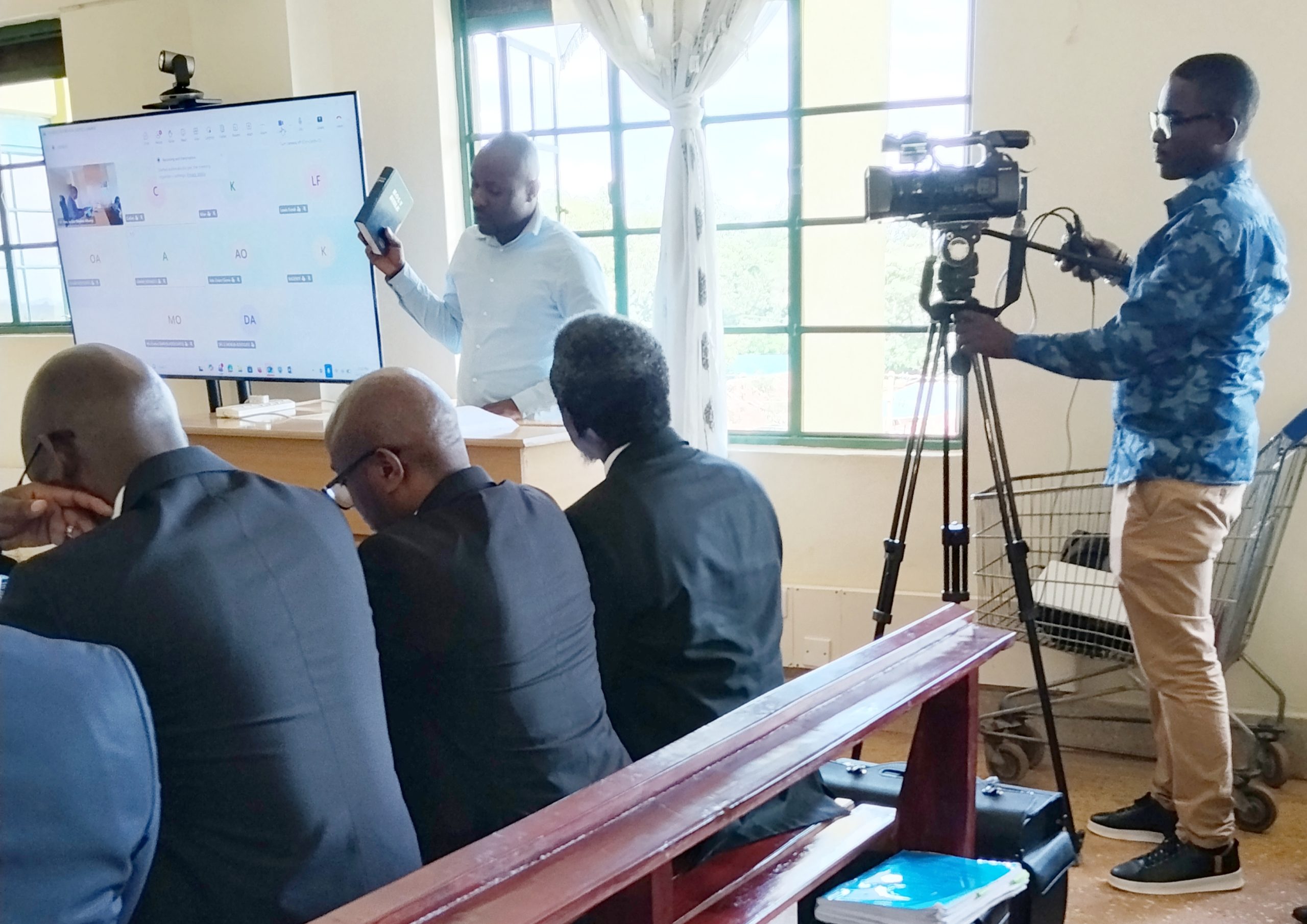
Taking the stand as a star witness, Jared Karani Sindikha—Panyako’s chief agent—offered a firsthand account of what he described as a deeply flawed electoral process.
“I witnessed the violence,” he told the court.
Sindikha said tensions escalated on the eve of the election, when a tallying centre was attacked, and security officers allegedly worked alongside local administrators to intimidate voters perceived to support the opposition.
“Police were all over,” he said. “There was intimidation.”
On election day, he recounted, the situation deteriorated further.
A campaign convoy was attacked in Manyonje, and a vehicle—registration KDD 232R—was set ablaze.
“I saw it burn,” he said.
The violence, he added, was so intense that he was unable to vote.
“I did not vote because of the chaos,” he said under cross-examination.
Sindikha also raised allegations of voter bribery, claiming the distribution of cash and household items influenced voters.
In a striking moment, he told the court that his own mother had received money.
“My mother was bribed,” he said. “She got Sh1,900 as a widow.”
He argued that such acts compromised the integrity of the vote.
“Her will to vote freely was subverted.”
According to him, widows were among those targeted, receiving blankets and mattresses during campaign activities. He said he personally witnessed some of these distributions.
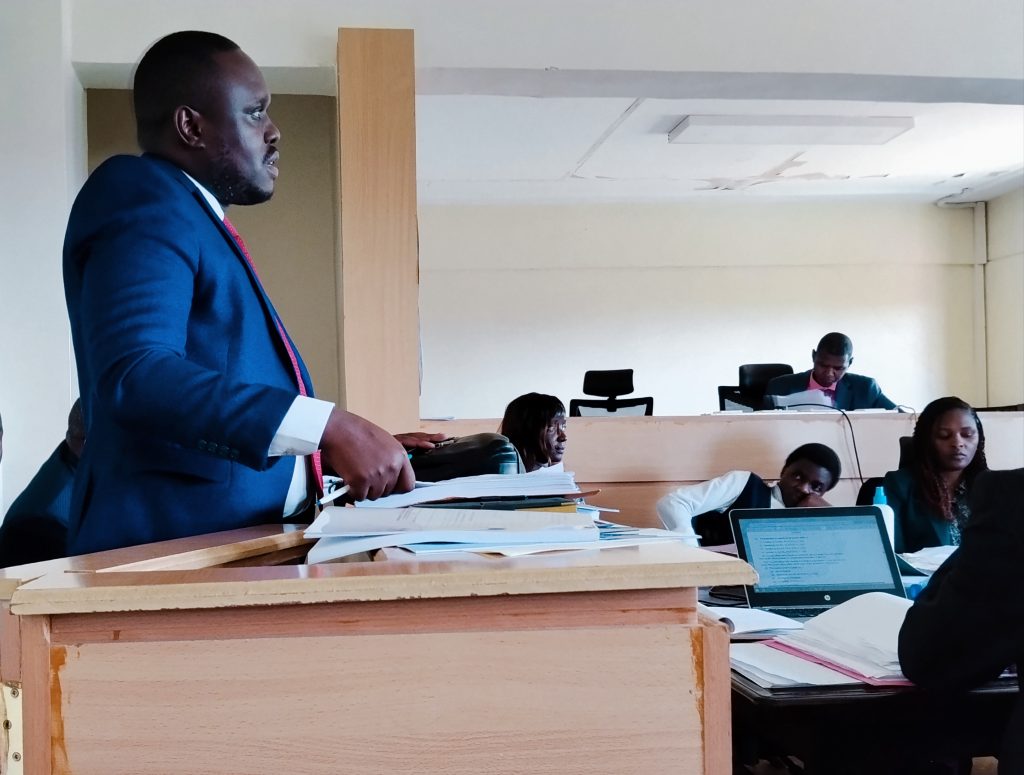
However, when pressed by defence lawyers Hezron Abok and Arnold Magina to provide a list of beneficiaries or documentary proof, Sindikha conceded he had none.
“I don’t have names,” he admitted.
On why such claims were not backed by affidavits, his response drew laughter in court.
“You can’t bribe my mother and then ask me to take her to swear an affidavit,” he said.
The defence sought to cast doubt on his claims, questioning whether he knew how his mother ultimately voted.
“I don’t know,” he replied.
Sindikha further alleged that many of his agents were blocked from accessing polling stations due to lack of accreditation materials, weakening oversight during voting and counting.
He also disputed results from three polling stations, alleging ballot stuffing.
Despite the gaps in documentation, his testimony painted a vivid picture of an election marred by fear and interference.
As the hearing continues before Justice Stephen Mbugi, the court will weigh whether these claims—alongside others raised in the petition—are sufficient to overturn one of the closest parliamentary contests in recent times.