
By SHABAN MAKOKHA
July 5, 2026| For decades, Western Kenya has faithfully delivered millions of votes in every General Election.
Yet, despite its numerical strength and immense political influence, many in the region believe they have remained spectators whenever the country’s highest offices are shared.
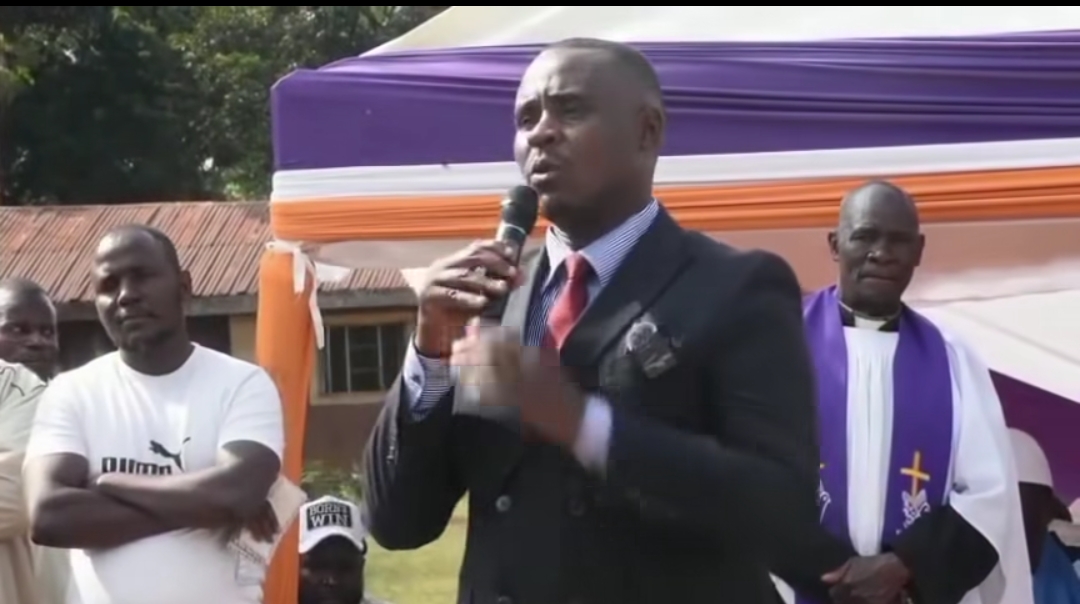
That lingering sense of exclusion resurfaced on Saturday, July 4, when Democratic Congress Party (DCP) Deputy Party Leader Cleophas Malala made a passionate case for Nairobi Senator Edwin Sifuna to be considered as the United Opposition’s running mate in the 2027 General Election.
Speaking in a funeral in Matungu, Malala declared that if the opposition presidential flag bearer will not come from Western Kenya, then the deputy president’s position should be reserved for the Luhya community.
According to Malala, the region has sacrificed enough in national politics and deserves a place at the country’s top decision-making table.
“If Edwin Sifuna is not chosen in the United Opposition, then another qualified Luhya leader like Wycliffe Oparanya should take that position from President William Ruto’s camp,” Malala said, insisting that the community can no longer afford to watch from the sidelines while other regions negotiate power.
His remarks have reignited conversations across Western Kenya, where many residents have long expressed frustration that leaders from the region are often sought during campaigns for votes but overlooked when leadership positions are shared.
To many, Malala’s endorsement was not merely about Edwin Sifuna. It was a rallying call for political recognition, dignity and inclusion for one of Kenya’s largest voting blocs.
Sifuna, known for his fearless criticism of the Kenya Kwanza administration and his sharp defence of opposition positions, has steadily emerged as one of the coalition’s most visible national figures.
While Malala was endorsing him to play the second fiddle, Sifuna was declaring his interest in Bumula, Bungoma County.
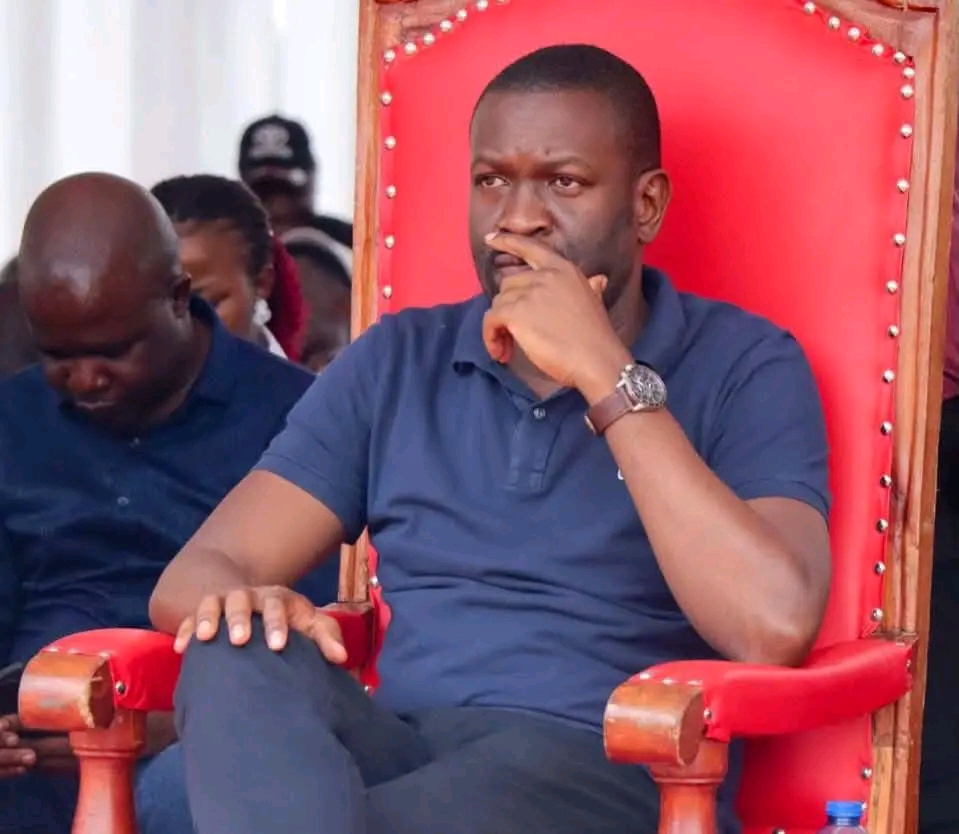
“I am saddened by the way Ruto is creating crisis after crisis in Kenya,” he said. “That is why as a student of Raila Odinga, I am determined to take from him and rescue Kenyans from oppression.”
He said through collaboration with Natembeya and other like-minded leaders, they have consolidated Western region and his remaining task is to reach out to other regions to lobby their support for his presidential bid.
His eloquence, youthful appeal and growing influence have made him one of the names increasingly mentioned whenever discussions about the opposition’s 2027 ticket arise.
Political observers say his rise reflects a changing political landscape in which younger leaders are gradually taking centre stage as veteran politicians begin to redefine their roles.
Malala’s endorsement also exposes the delicate balancing act facing opposition leaders as they seek to build a coalition capable of defeating President William Ruto’s camp in 2027.
Beyond popularity, they will have to navigate regional interests, ethnic arithmetic and demands for inclusivity.
For many in Western Kenya, however, the conversation goes beyond political calculations. It is about ending decades of waiting.
The region has produced respected national leaders including vice president, cabinet ministers, governors and seasoned parliamentarians. Yet the dream of occupying the country’s top office has remained elusive.
As preparations for the 2027 General Election slowly gather momentum, calls for Western Kenya to secure the deputy presidency are likely to grow louder.
Whether Edwin Sifuna ultimately earns the nomination or another Luhya leader emerges, Malala’s message has struck an emotional chord among many residents who believe their time to occupy the national leadership table has finally arrived.
With more than a year before formal campaigns begin, the battle for the opposition’s running mate slot is already taking shape—and Western Kenya has made it clear that this time, it wants more than promises. It wants a meaningful share of power.