
By SHABAN MAKOKHA
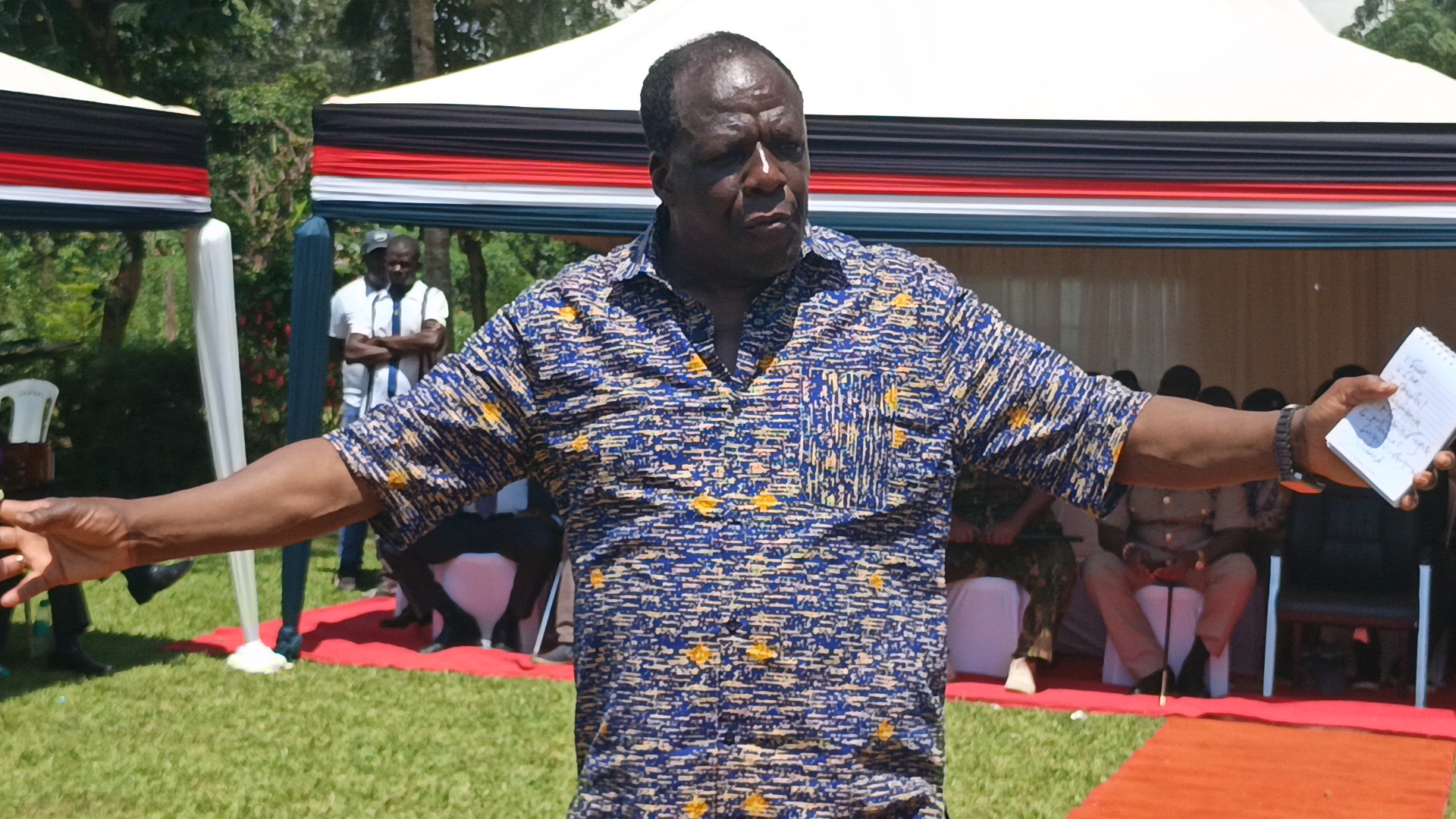
October 25, 2026| Cooperatives Cabinet Secretary Wycliffe Oparanya has launched an ambitious grassroots mobilisation drive across Western Kenya aimed at consolidating support for President William Ruto’s re-election bid ahead of the 2027 General Election.
The initiative targets the region’s political structures at the ward level and is expected to establish a network of local leaders tasked with championing the President’s second-term agenda, mobilising voters and coordinating campaign activities ahead of what is shaping up to be a highly competitive electoral contest.
Oparanya has already taken the drive to Busia, Bungoma and Kakamega counties, where he has been engaging grassroots leaders in a renewed effort to strengthen Ruto’s political foothold in the region.
At the heart of the initiative is a plan to establish eight-member committees in every ward, creating a grassroots political network designed to reach voters directly and coordinate support for the President across Western Kenya.
Speaking when he met local ward representatives from the five wards of Butere, Oparanya said each ward would have a team of influential local leaders responsible for spearheading the re-election campaign and rallying residents behind Ruto’s administration.
“These are ward leaders who will spearhead President Ruto’s re-election. They must be people who don’t belong to any campaign camp,” Oparanya said.
The remarks suggest the Cabinet Secretary is seeking to build a coordinated mobilisation structure that brings together influential local figures while avoiding the divisions associated with competing political camps.
By insisting on leaders who are not aligned with rival campaign groups, Oparanya appears keen to establish a unified network capable of working towards a common political objective as the country gradually moves towards the 2027 elections.
Under the proposed arrangement, each ward will have an eight-member committee expected to coordinate local political activities, engage voters and communicate the administration’s agenda at the grassroots.
The committees are expected to draw their membership from influential ward leaders with the capacity to mobilise residents, shape local political conversations and build support for Ruto’s re-election campaign.
Their responsibilities will include rallying voters behind the President, strengthening links between national political strategists and local leaders, and coordinating mobilisation activities within their respective wards.
The ward-based approach is intended to bring the campaign closer to the electorate by ensuring that political messaging and mobilisation efforts reach communities at the local level.
Rather than relying exclusively on national rallies and high-profile political meetings, the proposed structure would give the campaign a presence in individual wards, where local leaders can engage residents directly and respond to issues affecting their communities.
The eight-member teams could also help identify influential community figures, coordinate meetings and ensure that campaign activities are organised across the region.
If successfully implemented, the structure would provide an extensive network through which the President’s supporters could communicate political messages, organise grassroots engagements and build momentum ahead of the polls.
Oparanya’s mobilisation tour has already covered Busia, Bungoma and Kakamega counties, signalling an early effort to organise political support in a region that remains important to the country’s electoral calculations.
His visits form part of a broader push to engage local leaders and establish structures that can sustain political mobilisation beyond individual meetings and rallies.
The focus on Western Kenya is significant because the region has a substantial voting population, and its political alignment could influence the wider national contest in 2027.
By engaging ward-level leaders, Oparanya is seeking to create a network that can reach voters across different communities and constituencies while strengthening the President’s presence in the region.
The initiative also places local political actors at the centre of the mobilisation effort, recognising their potential influence over community opinion, voter engagement and the organisation of political activities.
The announcement comes as political leaders begin laying the groundwork for the 2027 General Election, with parties and prospective candidates expected to intensify their efforts to build alliances and strengthen their support bases.
For Ruto, securing stronger backing in Western Kenya could form an important part of his broader strategy to assemble a winning coalition for a second term.
The region’s political significance makes grassroots mobilisation particularly important, as national political contests often depend on the ability of candidates and their allies to organise support across counties, constituencies and wards.
Oparanya’s initiative appears designed to establish an organised political presence that can operate continuously at the local level rather than depending solely on campaign activities closer to election day.
The committees could serve as a link between the President’s political leadership and voters, allowing supporters to communicate the administration’s priorities while gathering feedback from communities.
The insistence that committee members should not belong to competing campaign camps underscores the importance of unity within the proposed mobilisation structure.
Beyond organising campaign structures, the drive will face the challenge of persuading voters that the administration deserves another term.
For the initiative to gain traction, the campaign will have to demonstrate that its message resonates with voters and that local leaders can effectively connect national political priorities with the concerns of residents.
The committees’ ability to unite different political interests, maintain a consistent message and mobilise support across the region will be an important measure of the initiative’s success.
At the same time, the early establishment of grassroots structures could give the President’s supporters an organisational advantage by allowing them to build local networks well before the election campaign reaches its peak.
With the next General Election approaching, political leaders are increasingly positioning themselves for a contest expected to feature intense competition over alliances, regional support and voter mobilisation.
The emerging activities point to the growing importance of grassroots organisation as political players seek to consolidate their support bases ahead of the polls.
The Oparanya initiative places local leaders at the forefront of the President’s re-election effort, with each ward expected to play a role in building support and coordinating political activities.