
By REUBEN OLITA
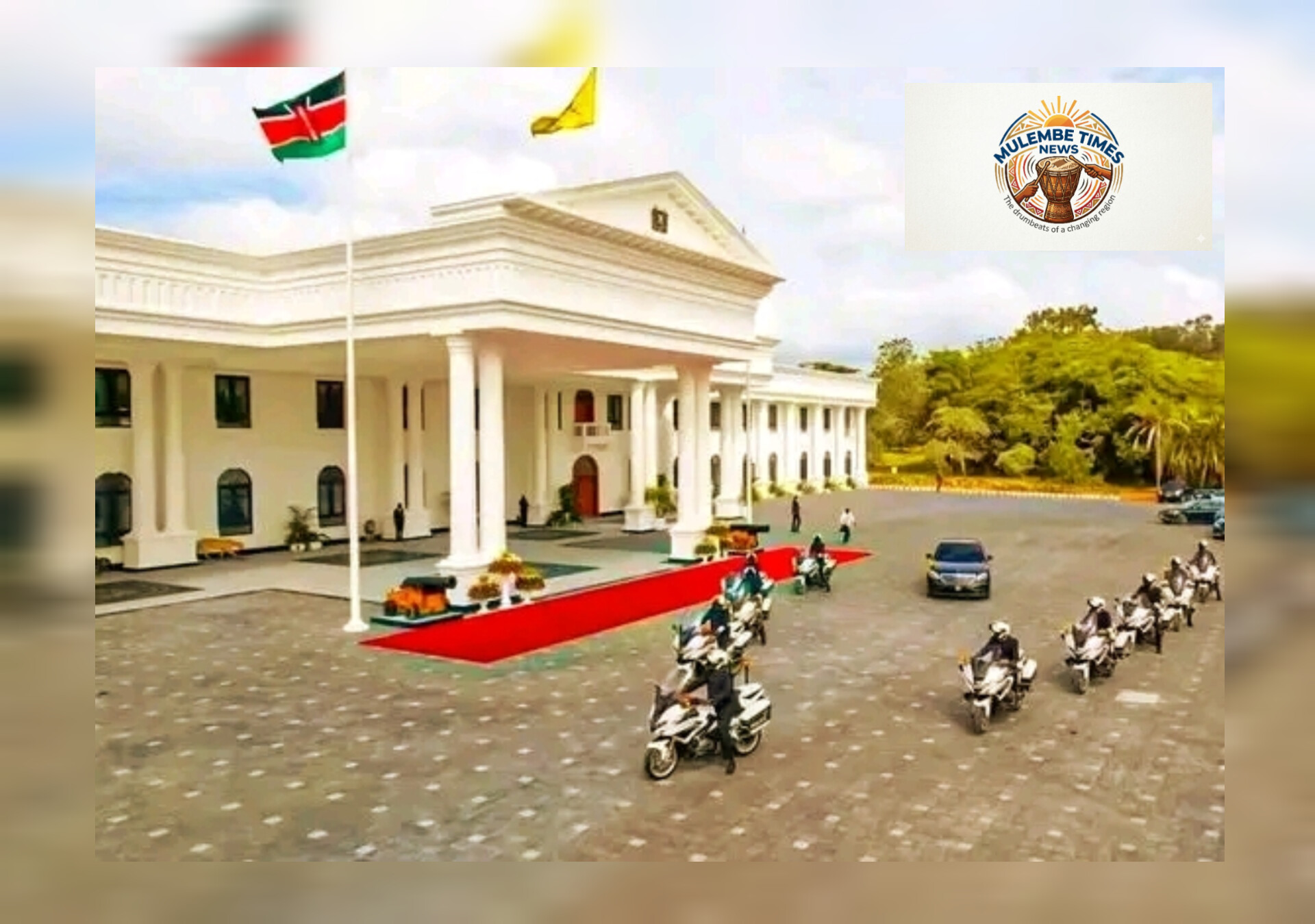
June 9, 2026| A dispute has emerged among Teso leaders over the selection of delegates expected to attend a State House meeting with President William Ruto on June 24, exposing divisions over who should represent the community during the engagement.
The row intensified after veteran human rights defender and politician Cleophas Okisai wrote to President Ruto seeking intervention, saying the process used to identify delegates lacked transparency and could lock out ordinary residents.
In a memorandum addressed to the President, Okisai called for greater inclusivity in the selection of participants from Teso North, arguing that residents from the constituency’s four administrative divisions — Changara, Angurai, Amagoro and Kamolo — should have adequate representation.
He said farmers, traders, youth, women and persons living with disabilities deserved an opportunity to have their concerns heard during the meeting.
Okisai also questioned the composition of the delegation, claiming that residents from within the constituency risked being underrepresented.
Among the issues he said should feature prominently during the talks are the Busia-Bungoma boundary dispute, poor road infrastructure, water shortages, unemployment, irrigation development and increased government appointments for professionals from the region.
He further proposed the allocation of 50 delegate slots to each of the four divisions and called for the publication of the selection criteria and the list of those chosen to attend.
The State House engagement is expected to bring together leaders from Teso North, Teso South and members of the Iteso community living outside the region to discuss development priorities and government programmes.
The contest over delegate slots comes at a time when State House has increasingly become a venue for engagements with delegations from different parts of the country, professional groups and diaspora communities under President Ruto’s administration. In recent months, the President has hosted Kenyan diaspora representatives from more than 40 countries and numerous sectoral and regional delegations at the official residence.
Political observers say the growing number of such meetings has transformed State House from a largely ceremonial and diplomatic space into a more accessible platform for public and political engagement. Supporters view the approach as promoting inclusivity and direct access to the Presidency, while critics argue that frequent delegations risk reducing the exclusivity traditionally associated with the seat of power and raise questions about the tangible development outcomes of such visits.
Efforts to obtain a response from Teso North MP Oku Kaunya, who serves as the spokesperson of the Iteso community in Kenya and is coordinating preparations for the meeting, were unsuccessful by the time of publication.