
By SHABAN MAKOKHA
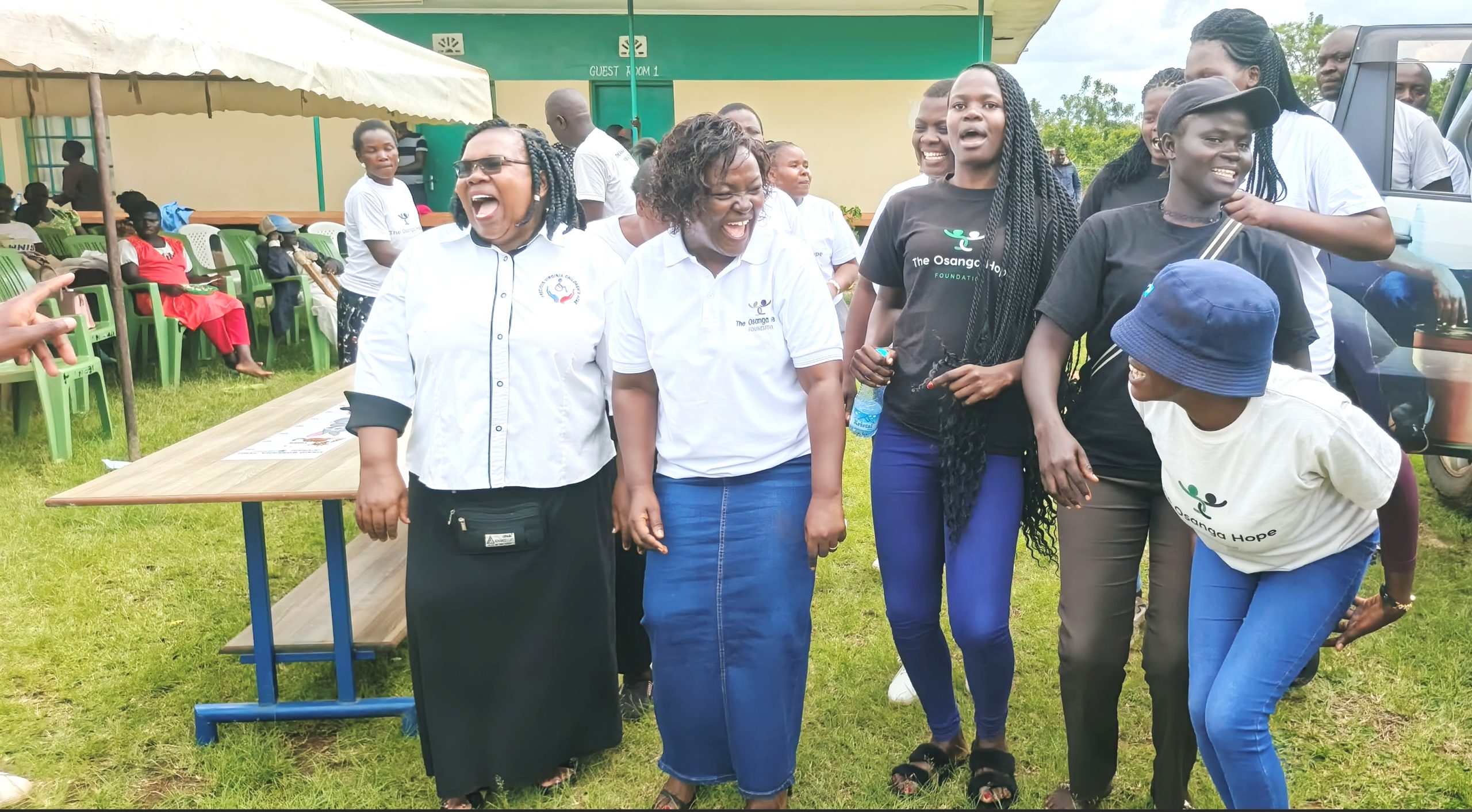
March 30, 2026| In a heartfelt tribute to compassion and inclusion, the Osanga Hope Foundation joined caregivers and children at the Precious Virginia Home on Saturday to mark World Cerebral Palsy Day—transforming an ordinary afternoon into a powerful statement of visibility and hope.
For a few hours, barriers fell away, replaced by a celebration of resilience and the enduring belief that every child, regardless of ability, belongs.
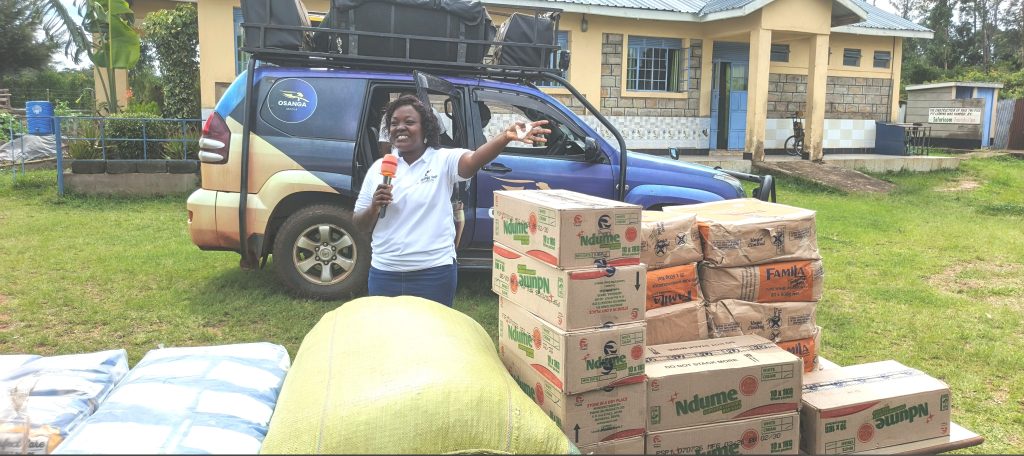
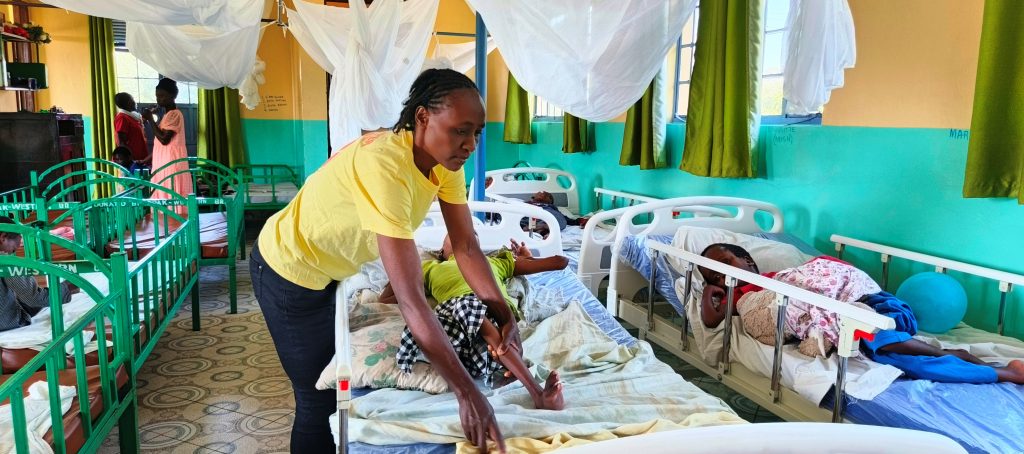
The foundation arrived with gifts ranging from food and personal care items to mobility equipment—each a symbol of solidarity for children who often remain unseen. The visit sparked smiles across the home, where dozens of children with varying levels of cerebral palsy are nurtured, rehabilitated, and cared for by a dedicated but overstretched team.
Speaking during the visit, foundation representatives emphasized that their mission extended beyond donation. “World Cerebral Palsy Day is a reminder that these children deserve the same love, opportunity, and dignity as every other child. We came here to stand with them and amplify their stories,” said Vivian Mukholo, the foundation’s director.
A Home Stretched Thin
The Precious Virginia Home, established in 2016, houses more than 50 children from the former Western region and beyond. Many were abandoned or brought in because their families lacked the resources to support their specialized needs.
Caregivers explain that managing cerebral palsy requires consistent therapy, medical follow-up, nutritional support, and emotional care—all of which demand substantial resources.
Electine Wanyama, founder and director of the home, described the foundation’s intervention as a lifeline. “I have been a one-man show,” she said. “Today, the Osanga Hope Foundation discovered us and joined the boat. This is a great relief.”
She noted that the home, which cares for children with all categories of cerebral palsy, faces severe medical and sanitation challenges. “The children are very delicate and require close medical attention. But they don’t have SHA registration. This forces us to dig deep into our pockets, sometimes pleading with well-wishers and health facilities for help. The Osanga Hope ambulance has been of great help—picking our children to hospital at the press of a button.”
Calls for Policy Change
Wanyama urged the government to simplify access to health services, arguing that SHA registration should be tied to the home rather than individual children. “Enrollment should be made easy and free of charge for all children with disabilities. Let the government help put a smile on the faces of these children.”
She called for stronger collaboration among communities, county and national governments, and private partners to support children with disabilities—especially cerebral palsy, which brings a host of compounded challenges.
She also appealed to Kakamega County Woman Representative Elsie Muhanda and Governor Fernandes Barasa’s spouse, Janet Kasily, to extend their ongoing efforts on the Triple Threat campaign to include children at the home. “Mama County and the Governor’s Spouse are doing a lot for children in school. But they have forgotten that we too have children who are more vulnerable than those in school. We are salvaging a load that would be dead or discarded by giving them hope and a meaningful life, despite the financial and logistical hurdles.”
Additionally, Wanyama asked the County Government of Kakamega and the National Land Commission to finalize the ownership certificate for the land on which the home stands. “The land was donated by the county government, but there is nothing to show for it. We need a certificate of ownership so that more partners can come on board and assist these children.”
The Condition and Its Toll
Cerebral palsy is caused by abnormal brain development or injury, affecting movement, posture, and muscle coordination. It typically occurs before, during, or shortly after birth. Dr. Martin Wanzala, an occupational therapist at the Early Assessment and Resource Center in Mumias, said many cases are linked to birth asphyxia, trauma, infections, and late diagnosis. “Some cases are due to inadequate prenatal or neonatal care. Others come in through postnatal infections like meningitis and cerebral malaria.”
Many persons with cerebral palsy also experience related conditions such as spinal issues, intellectual disability, epilepsy, and visual, hearing, or speech impairments.
In Kenya, approximately one in 100 to three in 100 children are affected—a prevalence higher than the global average. According to the Centers for Disease Control and Prevention (CDC), more than 60,000 children in Kenya live with the condition, with the majority facing severe malnutrition, limited education, and social stigma. A study at Kenyatta National Hospital found that 70.3 percent of children with cerebral palsy were malnourished, with high rates of stunting.
Families bear significant financial and psychological burdens, often relying on faith and fragile support networks amid widespread discrimination and lack of awareness.
A Mother’s Gratitude
Parents and guardians who accompanied their children expressed deep gratitude for the foundation’s gesture, noting that such visits provide not only material support but also emotional reinforcement for families who often feel isolated.
“When organizations like this visit us, we feel seen and encouraged,” one parent shared. “It tells us our children matter.”