
By SHABAN MAKOKHA
June 19, 2026|For decades, farming in Kenya’s Lower Eastern region has been synonymous with uncertainty.
Erratic rainfall, prolonged droughts, crop failures, and recurring food shortages have made agriculture a constant struggle for many households in Machakos, Kitui, and Makueni counties.
Yet amid the harsh realities of climate change, a quiet revolution is taking root.
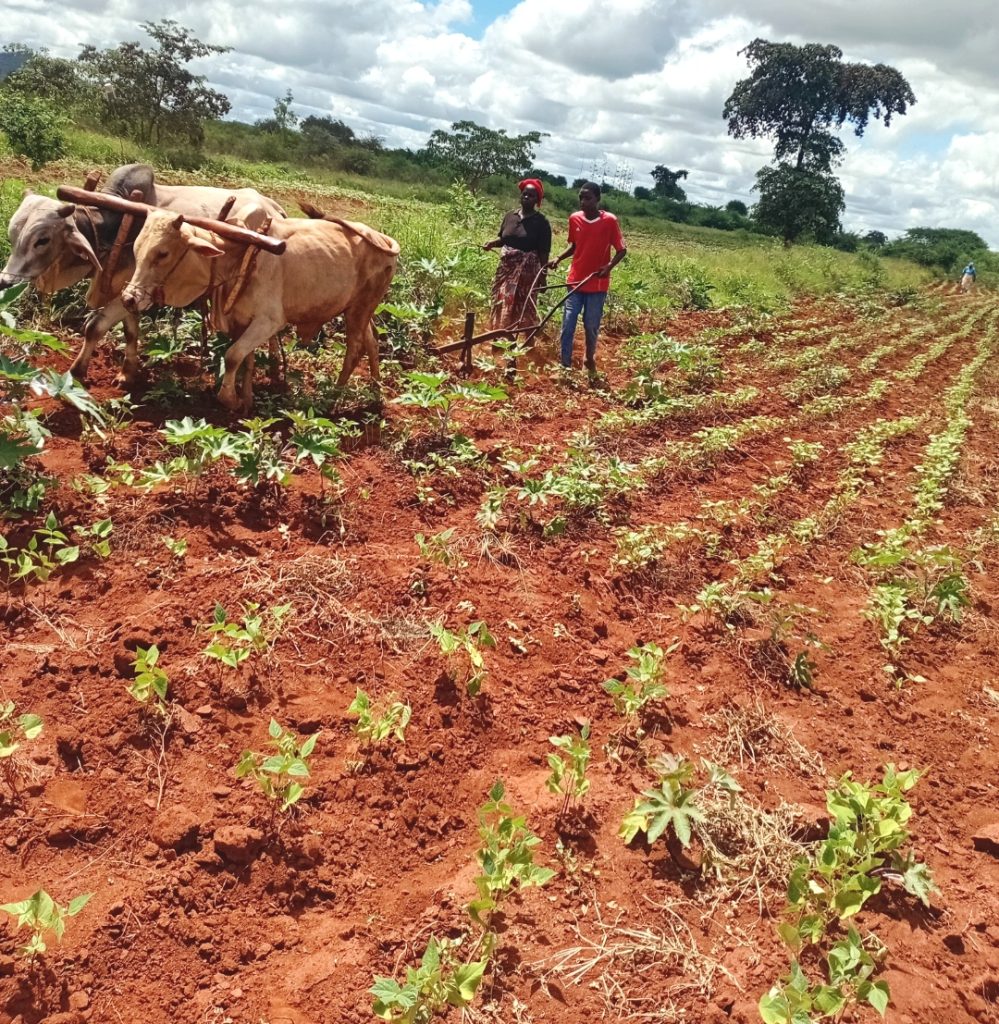
Across the semi-arid landscape, thousands of women are transforming small plots of land into productive vegetable and legume farms, embracing drought-tolerant crops and climate-smart farming practices that are improving household incomes and strengthening food security.
Armed with resilient seeds, modern farming knowledge, and collective action through cooperatives, these women are proving that agriculture can thrive even in some of Kenya’s driest regions.
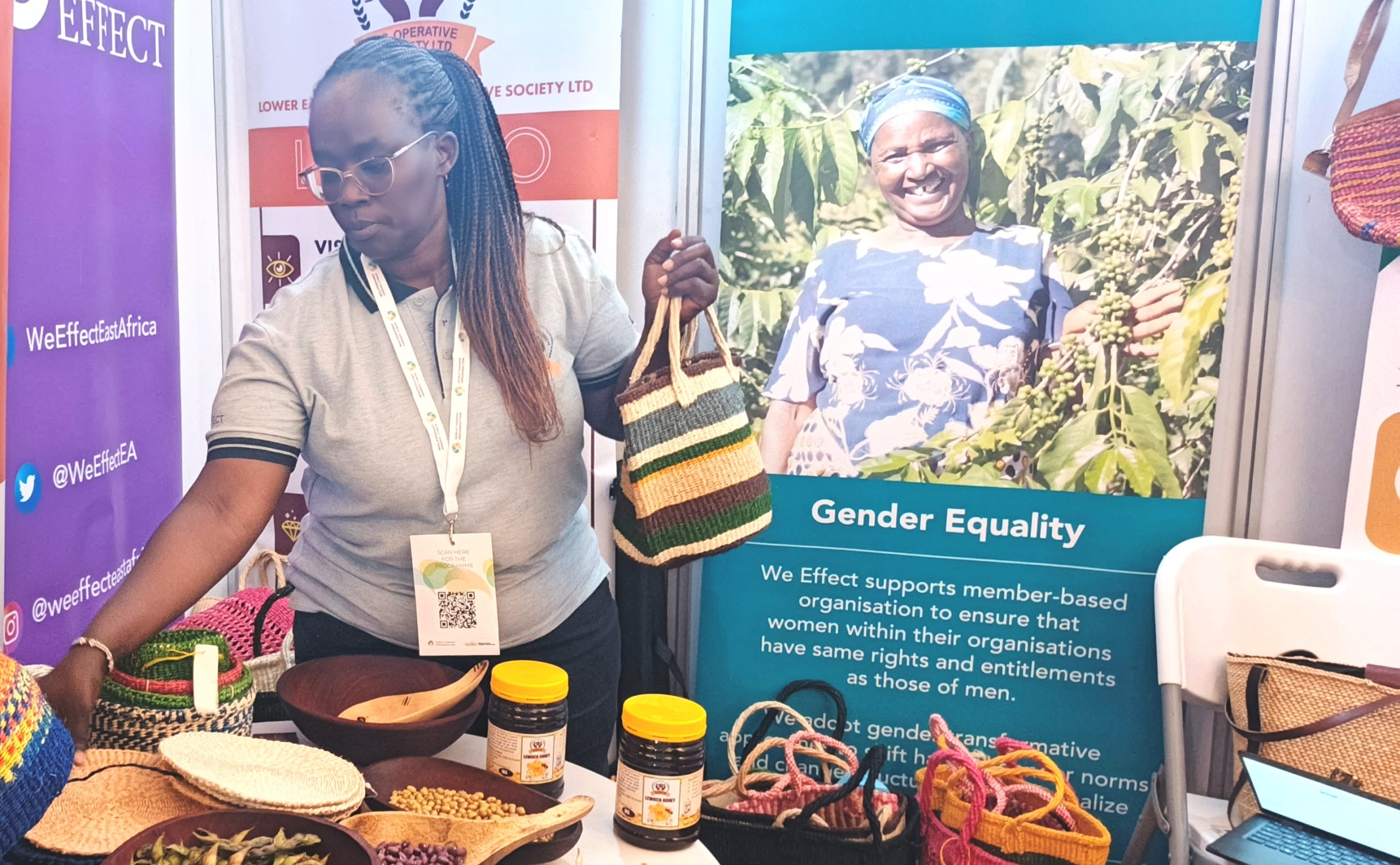
“Initially, we relied on crops such as potatoes and mangoes to feed our families,” Joyce Kitonyi, a group facilitator with Machakos Cooperative Union recalled during the 2026 World Farmers Organisation Summit in Nairobi.
“But changing weather patterns forced us to rethink our farming systems and adopt crops that can withstand drought conditions.”
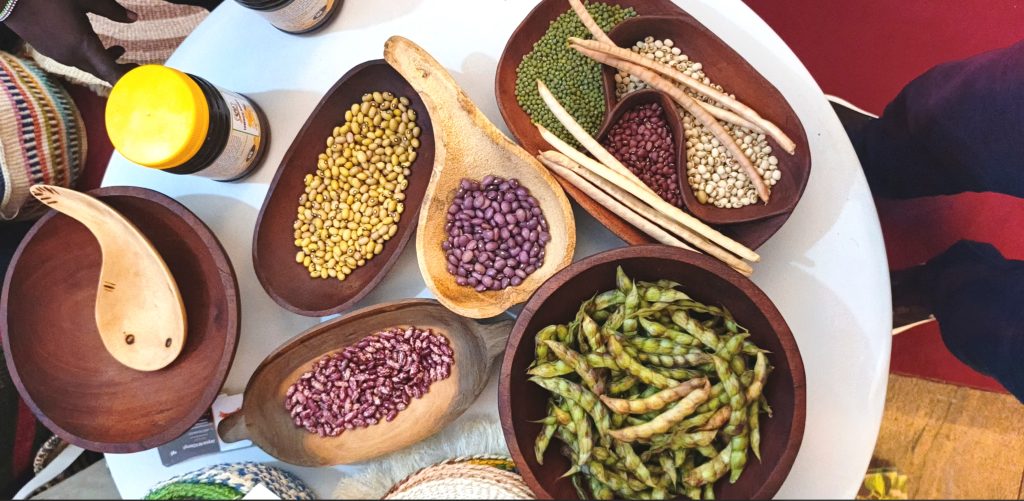
Today, fields that once struggled to support traditional crops are flourishing with climate-resilient legumes and vegetables, including cowpeas, green grams, pigeon peas, beans, and Bambara groundnuts.
Unlike conventional crops, these varieties require less water, mature faster, and perform well in poor soils, making them ideal for areas that receive unreliable rainfall.
The shift has been driven by a combination of climate pressures, rising living costs, and growing market demand for nutritious vegetables and legumes.For many women, farming is no longer merely a means of feeding their families—it has become a source of income and financial independence.
Ms Kitonyi is among the early beneficiaries of training programmes offered through the Lower Eastern Women Cooperative Society, which promotes market-oriented agriculture among women farmers.
Through partnerships with organisations such as We Effect Global, a Swedish cooperative movement, women have gained access to training on modern farming practices, financial management, leadership, and governance.
“We Effect Global has empowered us through grants and capacity-building programmes that focus on gender inclusion, financial literacy, governance, and food security,” says Ms Kitonyi.
The programmes have equipped women with skills in seed selection, pest and disease management, water-efficient farming techniques, and agribusiness development.
In addition, women farmers work closely with agricultural experts and researchers to make informed planting decisions.
During every planting season, they collaborate with agricultural extension officers and researchers from the Kenya Agricultural and Livestock Research Organisation (KALRO) to understand weather forecasts and identify suitable crop varieties.
“They guide us on weather patterns, provide seed samples suitable for different areas, and advise us on what to plant during specific seasons. This has greatly improved our yields,” she explains.
Recognising the challenges of farming individually, women across the region have organised themselves into cooperatives and self-help groups to strengthen their bargaining power and improve market access.
Speaking at Safari Park Hotel in Nairobi during the 2026 World Farmers Organisation Summit, Ms Kitonyi said more than 30 women-led groups are currently engaged in integrated farming activities across the Lower Eastern region.
“We have 31 women farmer groups that have become important support networks in our communities. Through these groups, women share knowledge, pool resources, and negotiate better prices with buyers,” she says.
The cooperative model has significantly reduced exploitation by middlemen while enabling farmers to aggregate produce and access larger markets.
Beyond economic gains, the groups are nurturing a new generation of agriculture-savvy women equipped with skills in climate-smart farming, entrepreneurship, and environmental conservation.
Despite the remarkable progress, significant barriers continue to hinder women’s full participation in agriculture.
Chief among them is limited access to land ownership.
Many women cultivate land they do not own, forcing them to lease plots season after season. The arrangement often discourages long-term investments such as irrigation infrastructure, greenhouse technology, and soil improvement programmes.
“Yes, we have the knowledge and energy to produce vegetables, but most of us do not own land,” says Ms Kitonyi.
“We are forced to lease land, which is costly. If we had title deeds, we would expand our farming activities and invest in technologies such as greenhouse farming.”
Climate change has further intensified the urgency of securing land and investing in sustainable production systems.
For women farmers in the drylands, water remains the lifeblood of agriculture.
Margaret Kilo of Thome Women Group says some farmers have begun experimenting with water harvesting systems and drip irrigation technologies to cushion themselves against prolonged dry spells.
However, the technologies remain beyond the reach of many due to high installation costs.
“We are trying to adopt irrigation and water harvesting methods, but many women cannot afford the required equipment,” she says.
The women are now calling for increased investment in affordable irrigation systems, women-focused agricultural extension services, and agribusiness training programmes.
They are also advocating for aggregation centres and stronger market linkages to minimise post-harvest losses and improve returns from their produce.
“To mitigate climate shocks, we need irrigation solutions, better market access, and aggregation centres that will help us reduce losses and earn better incomes,” Ms Kilo says.
The success stories emerging from Kenya’s Lower Eastern region demonstrate the transformative power of investing in women farmers.
What began as a survival strategy against drought has evolved into a pathway for economic empowerment, food security, and community resilience.
With the right policies, stronger support systems, and greater access to productive resources, these women believe they can move beyond subsistence farming and become major contributors to Kenya’s agricultural economy.
Their journey offers a powerful lesson: when women are empowered with knowledge, resources, and opportunity, they do more than feed their families—they help build resilient communities and secure the nation’s food future.