
By SHABAN MAKOKHA
July 7, 2026| The government has hailed the recently passed Mining (Amendment) Bill, 2025 as a game-changing law that could unlock billions of shillings for Kakamega County by ensuring the country’s mineral wealth benefits the national government, counties and communities where the resources are extracted.
National Assembly Speaker Moses Wetang’ula described the legislation as a major milestone for Kenya’s mining sector, saying it establishes a transparent framework for sharing mineral royalties, strengthens county revenues and guarantees host communities a greater stake in the exploitation of natural resources.
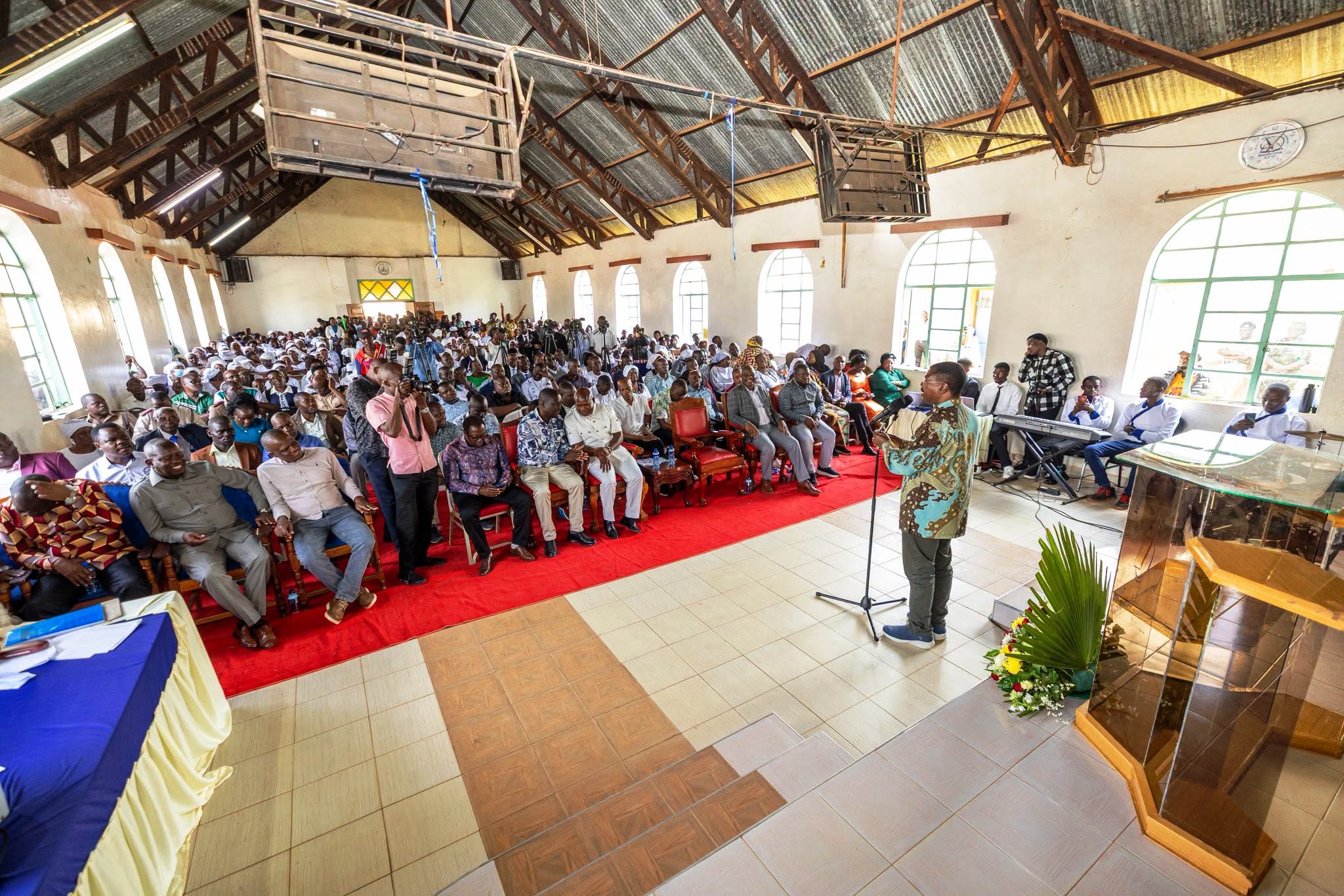
Speaking during a church service in Lurambi, Kakamega County, Wetang’ula said the law seeks to end decades of injustice in which communities living on mineral-rich land watched enormous wealth leave their villages while remaining trapped in poverty.
“The mining taking place in Kakamega must benefit everyone—the national government, the county government and, most importantly, the people living where these resources are found,” said Wetang’ula.
“The Mining (Amendment) Bill will ensure that the wealth beneath our soil translates into better livelihoods, stronger local economies and greater empowerment for our communities.”
The Bill, passed by the National Assembly before Parliament adjourned for its three-week recess, now awaits presidential assent.
According to Wetang’ula, the legislation provides clearer guidelines on the distribution and management of mineral royalties while creating mechanisms for faster transfer of revenues to county governments and host communities.
He urged the Kakamega County Government to position itself to maximise the expected benefits once the law takes effect.
“If Kakamega truly becomes Kenya’s gold capital, this county will no longer rely solely on allocations from the National Treasury. It will become a significant contributor to Kenya’s economy,” he said.
Wetang’ula also backed government plans to establish a modern gold refinery in Kakamega, saying value addition would create jobs, attract investment and transform the county into a regional gold-processing hub.
“The ongoing construction of a modern gold refining facility in Kakamega will ensure that our gold is processed here instead of leaving the county as raw material,” he said.
Resistance on the Ground
Even as the government celebrates the new law, plans for large-scale gold mining continue to face fierce opposition from local residents who fear displacement from ancestral land.
Residents of Ikolomani have demanded the suspension of plans by Shanta Gold Kenya Limited to establish an underground gold mine in the Isulu-Bushiangala area until concerns over land rights, compensation and public participation are fully addressed.
A survey by the British mining company estimates the area holds about 1.27 million ounces of gold worth approximately Sh683 billion.
However, an environmental feasibility study by the National Environment Management Authority indicates the project would require about 337 acres of privately owned land, potentially affecting nearly 800 households.
The proposed mine has sharply divided opinion across Kakamega, with many residents insisting that economic development should never come at the expense of people’s homes, farms and cultural heritage.
Khalwale Demands Better Deal
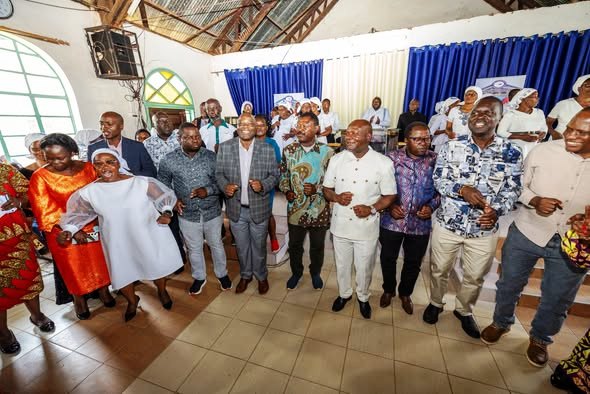
Kakamega Senator Boni Khalwale has maintained that no large-scale mining should begin until investors and local communities reach what he describes as a genuine win-win agreement.
Addressing a public participation forum convened by the Senate Standing Committee on Land, Environment and Natural Resources in Ikolomani on June 29, Khalwale said residents of Ikolomani, Shinyalu and Lurambi would reject any project that failed to safeguard their interests.
“No mining activity should commence until we achieve a genuine win-win solution that protects our people while allowing responsible investment,” Khalwale said.
“We welcome investment, but it must be just, inclusive and beneficial to both our communities and the investors.”
The senator argued that host communities deserve a significantly larger share of mining proceeds, proposing a 50-50 benefit-sharing arrangement between investors and local residents instead of the current royalty-based model.
“Our people will not be displaced to create room for investors without a fair, transparent and mutually beneficial agreement,” he said.
“The rights, livelihoods and dignity of our communities are non-negotiable. Development must never come at the expense of people who have lived on and depended on this land for generations.”
Khalwale said he had formally presented residents’ concerns to the Senate committee, insisting community interests must remain at the centre of any mining agreement.
Communities Want Assurances
The proposed project has already sparked protests and violent confrontations in Isulu and Bushiangala, forcing intervention by both the national government and Kakamega County leaders.
Residents fear forced displacement from ancestral land, while an estimated 8,000 artisanal miners worry they could lose the only source of income they have depended on for years.
Beyond land ownership, locals have also raised concerns over environmental degradation, warning that underground mining could contaminate water sources, destroy farmland and damage sacred cultural and burial sites.
Many argue that while they would bear the social and environmental costs of mining, the greatest financial benefits would flow to multinational companies and outside investors.
Although Mining Cabinet Secretary Hassan Joho and Kakamega Governor Fernandes Barasa have held several consultative meetings to build consensus, resistance to the project remains strong.
Residents have since petitioned the Kakamega County Assembly, demanding greater public participation, stronger protection of land rights and increased local control over gold processing and the wider mining value chain.
As Kakamega stands on the verge of what could become one of Kenya’s biggest mining investments, the central question remains whether its vast gold deposits can be transformed into shared prosperity without sacrificing the rights, livelihoods and trust of the communities that have lived on the gold-rich land for generations.