
By SHABAN MAKOKHA
June 1, 2026|Kakamega County has set an ambitious revenue target of Sh2.2 billion for the 2026/2027 financial year, signaling a renewed push to strengthen its financial base and speed up service delivery.
During a high-level review of the proposed Finance Bill, County Secretary and Head of Public Service Dr. Lawrence Omuhaka stressed the need for sustainable revenue strategies that would stabilize income streams and support key development priorities.
He described the Finance Bill as a cornerstone of the county’s economic planning, adding that a clear revenue-generation framework would enhance transparency, accountability, and long-term fiscal health.
“This Finance Bill must give clarity, confidence, and structure to how we raise resources,” Dr. Omuhaka said. “Sustainable revenue generation is essential for operations and for delivering the development our people deserve.”
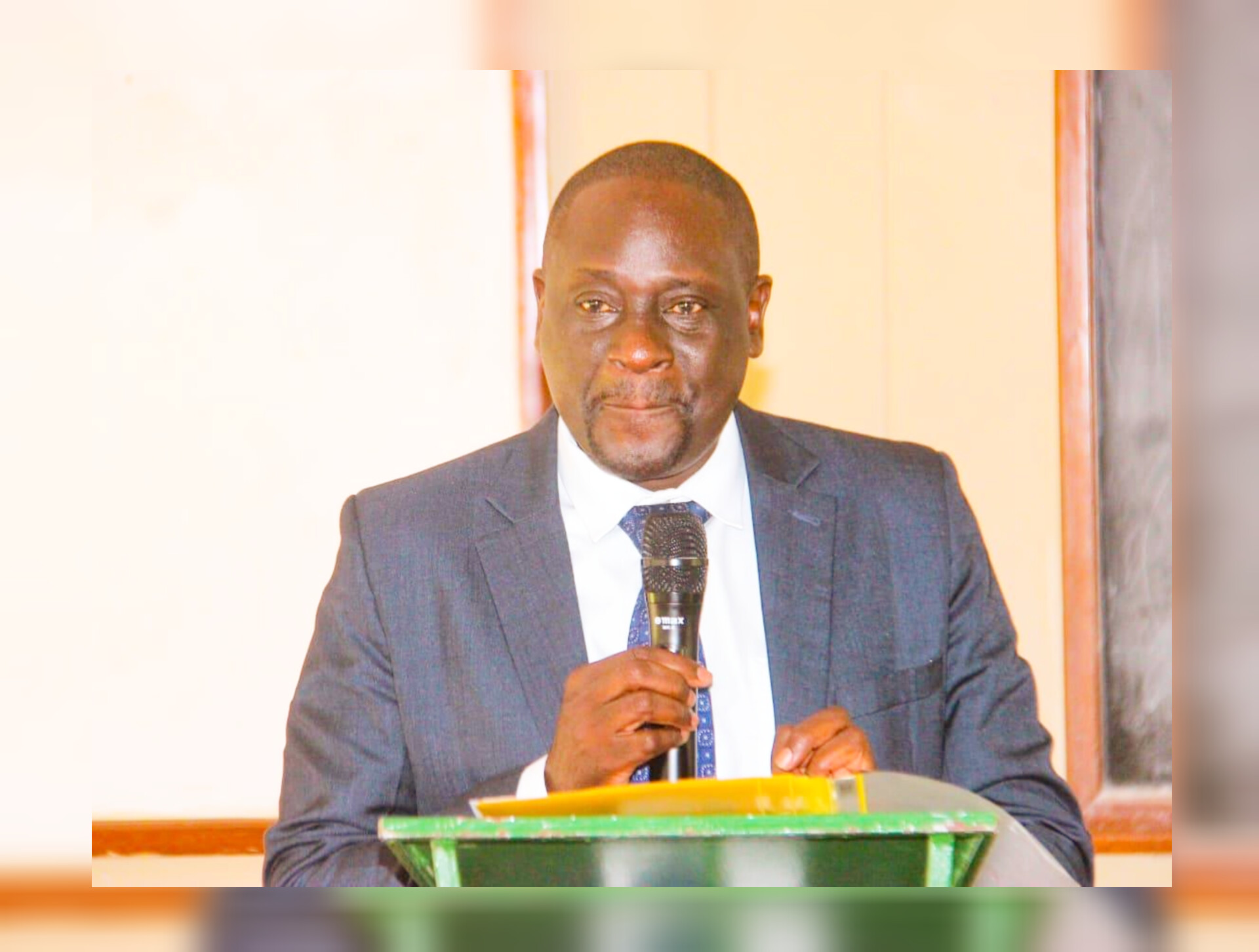
Finance, Planning, ICT, e-Government and Communication CECM Mr. Benjamin Andama (pictured) revealed that the draft Finance Bill is set for completion by September 2026, after which it will be forwarded to the Governor for review.
He called for stronger compliance measures and a zero-tolerance approach to revenue leakages.“We must seal all loopholes and ensure that every shilling due to the county is collected,” Mr. Andama stated. “That is how we will meet—and even surpass—our Sh2.2 billion target.” He noted that revenue enhancement is a collective responsibility, requiring cooperation from all departments and consistent enforcement of county laws.
During the session, several departments presented submissions highlighting existing gaps, proposing new fees and charges, and identifying under-exploited revenue opportunities.
The committee examined each proposal to ensure departments adopt practical, fair, and sustainable strategies that boost income without overburdening residents.
Officials noted that improved digitisation of payment systems, enhanced field enforcement, and stronger monitoring mechanisms would be critical to achieving the projected revenue.
County Attorney Vivianne Mmbaka provided legal insights, reaffirming that the county is empowered under national legislation to impose taxes, fees, and charges related to businesses, commercial activities, and the use of public facilities.
She stressed that the proposed Bill aligns with the Constitution and the Public Finance Management Act, giving the county a strong legal basis to enhance resource mobilisation.
“The Finance Bill clearly outlines the county’s authority to charge for services, regulate trade activities, and ensure that public facilities generate value for taxpayers,” she noted.
The meeting brought together CECMs, chief officers, directors, and senior county staff—reflecting a united administrative front committed to strengthening Kakamega’s fiscal position.
As the Bill moves toward its final drafting stage, county leadership expressed confidence that with disciplined implementation and public support, Kakamega is poised to realise its revenue aspirations.
If approved, the Finance Bill 2026/2027 will become one of Kakamega’s most strategic instruments for shaping economic growth, expanding public services, and improving the overall welfare of residents.