
By SHABAN MAKOKHA
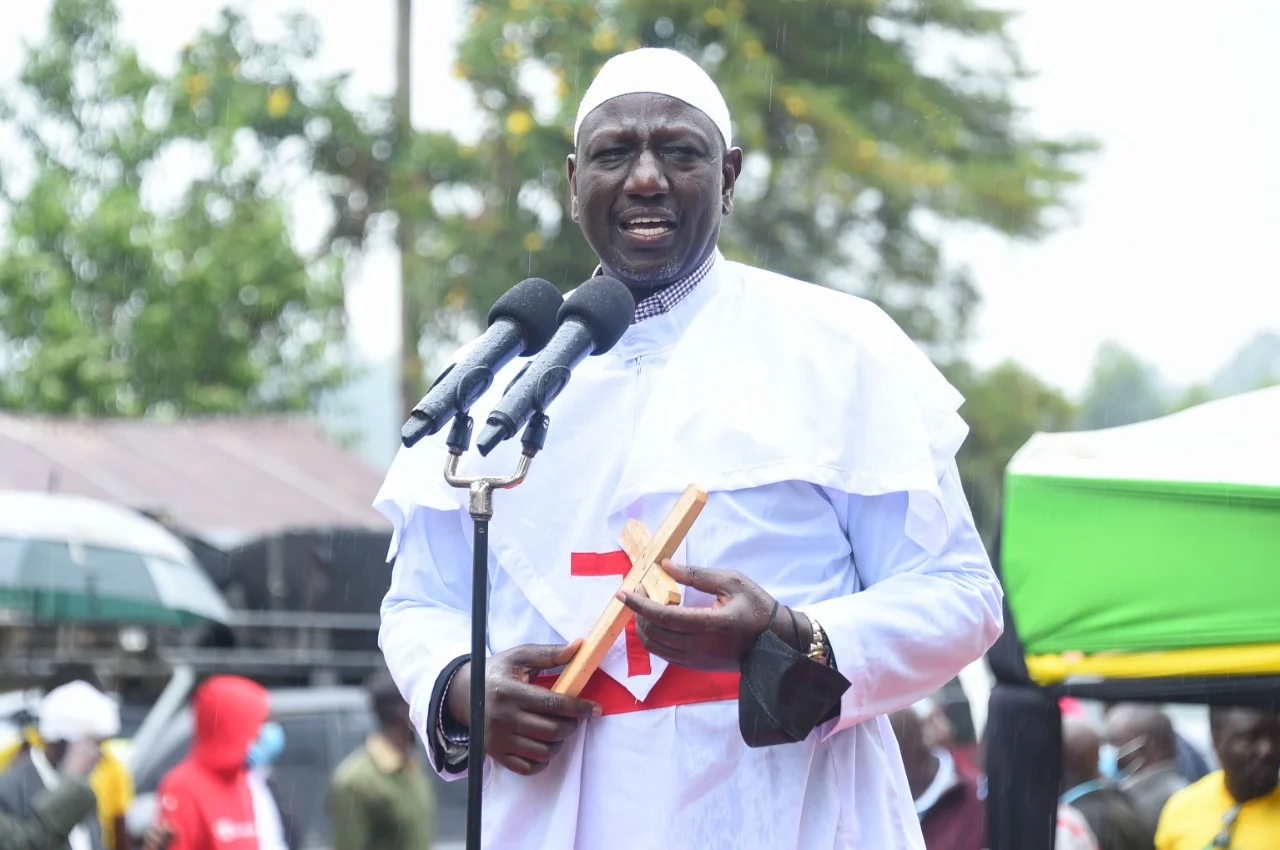
March 15, 2026| When President William Ruto touches down in the Western region this week for a five-day tour starting Monday, he expects the usual fanfare. Instead, he is walking into a political minefield. What was planned as a high-profile development tour is rapidly transforming into a high-stakes referendum on trust. After nearly five years of waiting, residents and local leaders are no longer asking for promises—they are demanding proof.
Political temperatures in the Western region are soaring ahead of President William Ruto’s visit. For many locals, however, this is not just another political stop; it is a moment of reckoning for a populace historically caught between government and opposition politics.
What should have been a triumphant homecoming for the President is shaping up to be a politically charged confrontation. Across Kakamega, Vihiga, and Bungoma, a coalition of local leaders and youth groups is voicing deep frustration, accusing the Kenya Kwanza administration of abandoning the very pledges that once stirred hope in the region.
The Trust Deficit
Residents argue that while political delegations have频繁 visited the region, tangible development has remained elusive. A major point of contention, according to leaders, is the government’s tendency to “repurpose” old projects.
Vihiga Senator Godfrey Osotsi has been vocal about this practice, describing it as a political tool to simulate activity. “From stalled roads to incomplete infrastructure, much of what is being showcased as new is simply being unveiled for the second or even third time,” Osotsi stated, reflecting the growing disillusionment. “People simply want to see the fruits of their support. When the President comes, he needs to bring results—not more speeches.”
The Broken Promises of 2022
In the months leading to the 2022 elections, Western Kenya was a battleground, and then-candidate Ruto crisscrossed the region with a transformative vision. He made bold commitments: reviving the struggling sugar and maize sectors, creating thousands of jobs for the youth, reducing the cost of living, and upgrading critical infrastructure.
Nearly five years later, critics argue these pledges have dissolved into political rhetoric. The revival of key sugar mills—Nzoia, Mumias, and others—remains a critical point of tension, symbolizing a wider pattern of neglect.
Kakamega Senator Boni Khalwale has echoed this sentiment, expressing frustration that the region, despite voting heavily for the current administration, has been left behind. “We stood with the President when he needed us most,” said Dr. Khalwale. “But today, our farmers are suffering, youth are jobless, and the cost of living keeps rising. We cannot sanitize failure. Every time the President visits, we hear about the same projects, same sites, same promises—yet nothing moves. We are tired of groundbreaking ceremonies for projects whose progress stops the moment speeches end.”
Voices from the Ground
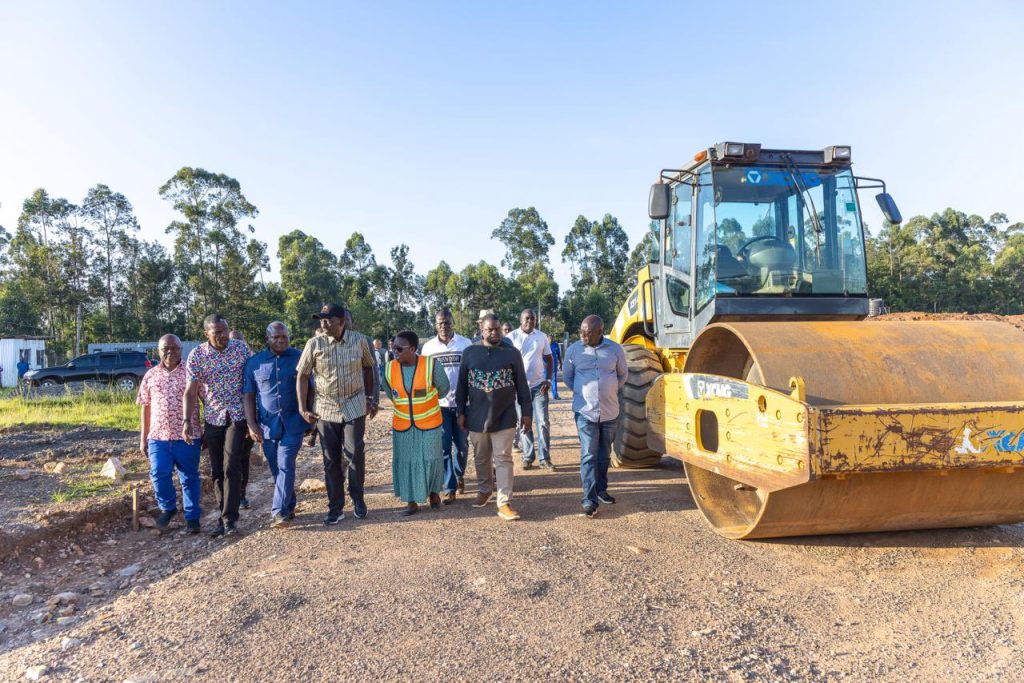
This frustration is not confined to the political class. In Shinyalu, a farmer voiced the common sentiment: “We see the politicians cutting ribbons, but the roads remain impassable. Why launch something over and over if it has not even started?”
In Bungoma, the tone is more urgent. Youth groups, tired of joblessness and failed industrial projects, are planning peaceful demonstrations. “We were promised jobs, revival of factories, and opportunities,” said John Musebe, a youth leader from Kanduyi. “Instead, we wake up every day to rising taxes and shrinking opportunities. This time, we won’t be silent.”
The Unfinished Agenda
The anger is fueled by a list of stalled or contentious projects that residents say symbolize the government’s neglect:
- The Musikoma-Sang’alo-Dorofu road project.
- Delayed progress on affordable housing units.
- Stagnation in industrial revival, including agro-processing plants.
- Slow expansion of TVETs meant to equip youth with skills.
- Minimal progress in stabilizing the sugar sector.
A Political Crossroads
According to Senator Osotsi, the current tension is about more than delayed infrastructure—it is about broken trust. “The government has been very visible in politics but very invisible in development. People feel their loyalty has been taken for granted.”
Osotsi, who is also the ODM deputy party leader, warns that this sense of betrayal could reshape political alignments ahead of 2027. He has called on the President to use this visit to present clear, funded timelines for major projects and address youth unemployment with actionable interventions, rather than political promises.
The next few days will determine whether the government can mend this growing rift—or whether Western Kenya’s quiet discontent hardens into a long-term political realignment.